Block paving is one of the most popular choices for driveways, patios and paths in the UK. It looks smart when it is properly maintained, but over time it collects dirt, weeds, moss, algae, oil stains and loses the sand between joints. Once the jointing sand starts breaking down, the surface becomes less stable and weeds start to take hold more easily.
Cleaning and re-sanding block paving is not just about appearance. It plays a key role in keeping the surface structurally sound, preventing movement between blocks and extending the lifespan of the entire paved area.
This guide explains how to clean block paving properly, remove contamination safely and carry out a correct re-sanding process without damaging the surface.
Understanding Block Paving and Why It Needs Maintenance
Block paving is made up of individual bricks laid on a sub-base with sand-filled joints. Those joints are essential because they lock the blocks together and distribute weight evenly.
When those joints weaken, the whole surface becomes more vulnerable.
Common issues with block paving over time
Problem
Cause
Result
Weed growth
Loss of joint sand
Unstable surface and visual mess
Moss and algae
Moisture and shade
Slippery and discoloured paving
Oil stains
Vehicle leaks
Permanent dark patches if untreated
Sinking blocks
Poor base or joint loss
Uneven surface
Sand loss
Weather and washing
Loose, shifting paving
Most issues begin gradually, which is why routine cleaning and re-sanding is far more effective than waiting for visible deterioration.
Tools and Equipment Needed for Safe Cleaning
Using the correct tools is essential to avoid damaging the surface or removing too much joint sand unintentionally.
Essential equipment list
Tool
Purpose
Stiff outdoor broom
Loose debris removal
Pressure washer (controlled use)
Deep cleaning surface
Surface cleaner attachment
Even cleaning without striping
Weed scraper or knife
Removing deep-rooted weeds
Hose with spray nozzle
Rinsing and controlled water use
Kiln-dried sand
Re-sanding joints
Leaf blower
Drying and debris removal
Optional professional-grade equipment
Equipment
Benefit
Rotary surface cleaner
Even pressure distribution
Low-pressure soft wash system
Reduces risk of joint erosion
Industrial vac system
Removes loose debris efficiently
Pureseal Services typically use professional-grade systems that reduce damage risk while achieving a deeper, more consistent clean compared to standard domestic pressure washers.
Step-by-Step Cleaning Process for Block Paving
Cleaning block paving properly is about control rather than force. The aim is to remove contamination without destroying the joint structure.
Step 1: Initial surface clearance
Before any water is used, the surface should be cleared of loose debris.
Sweep the entire area thoroughly
Remove leaves, soil and stones
Check for visible weeds and moss growth
Clear drains and edges
This prevents debris from being pushed into joints during washing.
Step 2: Pre-treatment of stains and weeds
Some areas need targeted treatment before washing.
Issue
Treatment method
Oil stains
Specialist degreaser left to dwell
Moss growth
Biocide treatment for breakdown
Weeds
Manual removal or root treatment
Allow treatments to sit long enough to break down contaminants before rinsing.
Step 3: Pressure washing the surface
This is the most sensitive stage. Too much pressure will remove joint sand and destabilise the paving.
Safe pressure washing approach
Use a fan spray, not a pinpoint jet
Keep nozzle at least 20–30 cm from surface
Work in controlled overlapping sections
Avoid blasting directly into joints
Maintain consistent movement
Pressure comparison table
Method
Effectiveness
Risk to joints
Recommended
Low-pressure rinse
Moderate
Low
Yes
Standard pressure wash
High
Medium
Careful use
High-pressure jet
Very high
High
Not recommended
The goal is to clean the surface, not excavate the joints.
Step 4: Rinsing and debris removal
Once cleaning is complete, all residue must be removed properly.
Rinse from top to bottom
Push dirty water towards drainage points
Avoid pooling water in low areas
Ensure no sludge remains between blocks
Any remaining residue can interfere with re-sanding later.
Dealing with Stubborn Stains
Block paving is often affected by long-term staining that requires extra attention.
Oil and grease stains
Oil is one of the hardest substances to remove from block paving.
Treatment method:
Apply degreasing solution
Allow time to break down oils
Agitate gently with stiff brush
Rinse thoroughly
Repeat if necessary
Old stains may never fully disappear but can often be significantly reduced.
Algae and moss removal
Algae thrives in damp shaded areas.
Treatment type
Effectiveness
Safety
Biocide treatment
High
Safe when used correctly
Pressure washing only
Medium
Risk of regrowth
Manual scraping
Low
Labour intensive
Biocide treatments are generally preferred because they treat the root of the problem rather than just the surface.
Drying the Surface Before Re-Sanding
Re-sanding must only be done when the paving is fully dry. Moisture prevents sand from settling properly into joints.
Drying methods
Natural air drying (most effective)
Leaf blower to remove surface water
Light sweeping to expose damp areas
Drying time guide
Weather condition
Drying time
Hot and sunny
4–8 hours
Mild cloudy
12–24 hours
Cool damp conditions
24–48 hours
Attempting to re-sand too early will lead to uneven compaction and weak joints.
Choosing the Right Jointing Sand
Not all sand is suitable for block paving joints. The wrong type will wash out quickly or fail to lock blocks in place.
Types of jointing sand
Sand type
Description
Suitability
Kiln-dried sand
Fine, dry and free-flowing
Standard use
Polymer-modified sand
Hardens when wet
High durability areas
Sharp sand
Coarse and unstable
Not recommended
Building sand
Too fine and retains moisture
Not suitable
Kiln-dried sand is the most commonly used option for domestic paving due to its balance of performance and affordability.
Re-Sanding Block Paving Properly
Re-sanding is what restores stability to the surface. Without it, block paving will gradually loosen and shift.
Step-by-step re-sanding process
Step 1: Spread dry sand
Pour sand over entire surface
Ensure even coverage
Focus on joints rather than surface build-up
Step 2: Brush sand into joints
Use a stiff broom
Sweep diagonally across blocks
Repeat multiple times to fill gaps
Important point:
The sand must be worked into the joints fully. Surface-level sand does not provide structural support.
Step 3: Compact the surface
Compaction helps the sand settle deeply into joints.
Method
Effectiveness
Plate compactor
High
Rubber mallet tapping
Medium
Walking vibration
Low
Professional services typically use compaction equipment to ensure stability and reduce future settlement.
Step 4: Top-up sanding
After compaction, gaps will appear as sand settles.
Add more sand
Repeat brushing process
Ensure all joints are filled
Step 5: Final light misting
A very light water mist can help settle kiln-dried sand.
Do not flood the surface
Avoid washing sand out
Allow natural curing time
Common Mistakes During Cleaning and Re-Sanding
Many issues come from rushing or using incorrect methods.
Mistakes to avoid
Mistake
Result
Overusing pressure washer
Joint sand loss
Re-sanding on wet surface
Weak joint structure
Using wrong sand type
Rapid washout
Skipping compaction
Loose and shifting blocks
Ignoring weed treatment
Fast regrowth
Once joint integrity is lost, the surface becomes much harder to stabilise.
Cost of Block Paving Cleaning and Re-Sanding
Costs vary depending on size, condition and level of contamination. Heavily stained or weed-infested paving takes longer and requires more material.
UK pricing guide
Service type
Typical cost range
Notes
Basic clean only
£150 – £300
Light dirt, minimal staining
Clean and re-sand
£250 – £600
Standard residential driveways
Deep restoration clean
£400 – £900
Heavy staining or weed infestation
Large driveway projects
£700 – £1,500+
Extensive areas or complex layouts
Premium services such as those offered by Pureseal Services sit at the higher end of the market, reflecting detailed cleaning methods, specialist equipment use and a more thorough re-sanding process designed for longer-lasting results.
Maintenance After Cleaning and Re-Sanding
Once block paving has been cleaned and re-sanded, maintenance plays a key role in keeping it in good condition.
Recommended maintenance schedule
Task
Frequency
Light sweeping
Weekly or bi-weekly
Weed inspection
Monthly
Moss treatment
Every 3–6 months
Surface wash
1–2 times per year
Re-sanding top-up
Every 1–2 years
Consistent upkeep prevents the need for full restoration work later on.
Signs That Block Paving Needs Re-Sanding Again
Even well-maintained surfaces will eventually need attention.
Warning signs
Visible gaps between blocks
Loose or rocking paving stones
Increased weed growth
Sand visible on surface instead of between joints
Water pooling in uneven areas
These signs usually indicate that joint integrity has weakened.
Professional Cleaning and Restoration Approach
Large-scale or heavily deteriorated block paving often benefits from professional restoration rather than standard DIY cleaning.
A professional approach typically includes:
Controlled low-pressure cleaning
Targeted stain treatment
Full removal of contaminated joint material
High-quality kiln-dried or polymeric re-sanding
Mechanical compaction for stability
Final surface finishing for uniform appearance
Pureseal Services focus on detailed restoration work rather than quick surface cleaning, which means the process is more methodical and designed to improve both appearance and structural performance over time.
Advanced Restoration Techniques for Block Paving
Once basic cleaning and re-sanding have been completed, some driveways still need additional restoration work to bring them back to a near-new condition. This is especially common where block paving has been neglected for several years or has been exposed to oil, weeds and heavy vehicle use.
Chemical restoration treatments
Some staining cannot be removed with pressure washing alone. In these cases, targeted chemical treatments are used to break down embedded contamination.
Common restoration treatments
Treatment type
Purpose
Best use case
Degreasing agents
Break down oil and fuel stains
Driveways with vehicles
Biocides
Kill algae and moss spores
Shaded or damp areas
Efflorescence removers
Remove white salt deposits
New or ageing paving
Rust removers
Treat metal contamination
Furniture or vehicle rust marks
These treatments must be applied carefully and evenly. Overuse or incorrect dilution can cause patchy results or surface discolouration.
Controlled re-washing after treatment
After chemical treatments have been given time to work, a second controlled wash is often required.
Key points during this stage:
Use low to medium pressure only
Avoid concentrating water in one area
Ensure full rinse of all treated zones
Work in consistent overlapping passes
The goal is to lift loosened contaminants without disturbing the structure of the jointing sand more than necessary.
Deep Re-Sanding for Structural Stability
Not all re-sanding is the same. In heavily worn block paving, a deeper structural re-sand is often required rather than a surface-level refill.
When deep re-sanding is needed
Large gaps between blocks
Frequent movement underfoot or vehicles
Visible sub-base exposure in joints
Persistent weed regrowth
Sand completely washed out in sections
In these cases, a full joint reset is often the most effective solution.
Full joint reset process
This is more intensive than standard re-sanding and involves several stages:
Removal of all existing joint sand
Deep cleaning of joint channels
Inspection of block alignment
Re-filling with fresh kiln-dried or polymeric sand
Mechanical compaction
Final surface finishing
This process restores the structural “lock” between blocks, which is what gives block paving its strength under load.
Sand depth comparison
Condition
Joint fill level
Stability
Fully filled joints
100%
High stability
Partial fill
50–70%
Medium stability
Minimal sand
Under 50%
Low stability
Proper joint fill is what prevents lateral movement when vehicles or foot traffic apply pressure.
Preventing Weed Regrowth After Cleaning
Weeds are one of the most frustrating problems with block paving. They rarely grow from the bottom up; instead, they take root in sand-filled joints where moisture and organic debris collect.
Why weeds return
Organic matter trapped in joints
Insufficient sand compaction
Gaps left after cleaning
Wind-blown seeds settling in joints
Lack of preventative treatment
Prevention methods
Method
Effectiveness
Duration
Manual removal
Low
Short-term
Chemical weed killer
Medium
Moderate
Biocide treatment
High
Longer-term control
Polymer jointing sand
Very high
Long-term prevention
Polymeric sand is often used in higher-end restoration work because it binds when activated with water, making it much harder for weeds to establish.
Block Paving Edge Restraints and Why They Matter
One of the most overlooked parts of a driveway is the edge restraint system. Without proper edging, block paving can gradually spread outward over time.
Common edge restraint types
Type
Description
Durability
Concrete edging
Fixed perimeter border
High
Resin edge system
Flexible binding edge
Medium to high
Kerb stones
Solid structural boundary
Very high
Plastic edging
Lightweight restraint
Low
If edge restraints fail, even a well-cleaned and re-sanded surface will eventually start to lose shape.
Signs of edge failure
Outer blocks moving outward
Gaps forming along borders
Uneven edges or lifting sections
Loss of straight driveway lines
In restoration work, stabilising edges is often just as important as re-sanding the joints.
Seasonal Effects on Block Paving Condition
Weather has a direct impact on how block paving behaves over time. Understanding seasonal influence helps plan cleaning and maintenance more effectively.
Seasonal breakdown
Season
Main impact
Maintenance focus
Winter
Freeze-thaw expansion
Check for movement and cracks
Spring
Weed germination
Early treatment and cleaning
Summer
Oil stains and drying shrinkage
Deep cleaning and stain removal
Autumn
Leaf decay and blockage
Gutter and surface clearing
Block paving is most vulnerable during winter and early spring due to moisture cycles and biological growth.
Drainage and Water Flow Considerations
Water management plays a huge role in the long-term condition of block paving. Poor drainage leads to softening of the sub-base, algae growth and joint erosion.
Common drainage problems
Standing water after rain
Water pooling near edges
Slow runoff towards drains
Blocked channel drains or gullies
Improving drainage performance
Action
Benefit
Clearing drainage channels
Prevents overflow
Re-levelling sunken areas
Restores proper flow
Re-sanding joints properly
Reduces water penetration
Installing additional drainage
Long-term water control
In many cases, cleaning alone is not enough if drainage issues are not addressed at the same time.
Equipment Differences: DIY vs Professional Grade
The equipment used has a major impact on both results and surface safety.
Comparison of equipment types
Category
DIY equipment
Professional equipment
Pressure washing
Domestic washer
Controlled flow system
Sand application
Manual sweeping
Precision spreading tools
Compaction
Hand tools
Plate compactors
Stain treatment
Basic cleaners
Specialist formulations
Water control
Standard hose
Adjustable flow systems
Professional systems are designed to clean deeply without compromising the integrity of the joint structure.
Pureseal Services typically operate with higher-end restoration equipment, which allows for more consistent results, particularly on larger driveways or heavily worn surfaces.
Long-Term Surface Protection Options
Once block paving has been cleaned and re-sanded, additional protection can help extend its lifespan.
Sealant application options
Seal type
Finish
Protection level
Natural seal
Matte appearance
Moderate
Colour-enhancing seal
Darker, richer finish
High
High-gloss seal
Wet-look finish
Very high
Breathable seal
Natural appearance
High durability
Sealants help reduce water absorption, slow weed growth and protect against oil penetration.
Benefits of sealing block paving
Reduces staining from oil and dirt
Slows weed and moss growth
Helps stabilise joint sand
Enhances overall appearance
Makes future cleaning easier
Sealing is typically recommended after full cleaning and re-sanding once the surface has fully settled.
Common Long-Term Maintenance Issues
Even well-maintained block paving can develop problems if not monitored regularly.
Issues to watch for
Issue
Early warning sign
Joint sand loss
Loose or powdery joints
Surface sinking
Uneven stepping areas
Colour fading
Sun exposure and weathering
Persistent algae
Damp shaded sections
Edge spreading
Loss of structural boundary
Early intervention is far more cost-effective than full restoration work later.
Professional Restoration Approach Overview
High-quality restoration work goes beyond surface cleaning. It focuses on rebuilding stability, improving drainage and extending the lifespan of the paving.
A full professional approach typically includes:
Assessment of structural condition
Controlled deep cleaning
Targeted stain and weed treatment
Complete or partial joint reset
Precision re-sanding with correct material
Mechanical compaction for stability
Optional sealing for long-term protection
Pureseal Services focus on this more comprehensive restoration approach, ensuring that block paving is not only visually improved but also structurally reinforced for long-term durability.
Block Paving Maintenance and Restoration Summary Guide
This section works as a final practical reference for keeping block paving in good condition after cleaning and re-sanding.
Ongoing care checklist
Task
What to do
Why it matters
Regular sweeping
Remove leaves and grit weekly
Prevents staining and weed growth
Spot cleaning
Treat oil or spill marks quickly
Stops permanent staining
Weed control
Remove early growth immediately
Protects joint structure
Gutter and edge checks
Inspect drainage paths
Prevents water damage and pooling
Joint inspection
Check for sand loss every few months
Maintains block stability
Early warning indicators
Sign
What it usually means
Loose or rocking blocks
Joint sand has weakened
Dark staining spreading
Oil or algae is setting in
White residue on surface
Efflorescence developing
Gaps forming between blocks
Sand washout or movement
Water sitting after rain
Drainage or level issue
Best long-term protection approach
Keep joints topped up with kiln-dried or polymeric sand where needed
Avoid aggressive pressure washing that removes joint material
Treat algae early before it spreads across shaded areas
Maintain edge restraints to prevent outward movement
Consider sealing once the surface has been fully restored and stabilised
Professional maintenance note
For larger driveways, heavily stained surfaces, or areas where block movement is already visible, a full restoration approach is usually more effective than repeated light cleaning. Services such as those provided by Pureseal Services focus on deep cleaning, controlled re-sanding and structural restoration rather than surface-level washing, which helps maintain both appearance and long-term stability of the paving.

 Artificial and Sports Surfaces
 Awnings / Canopies / Gazebos
 Block Paving
 Brickwork
 Composite Surfaces
 Decking / Timber
 Granite
 Imprinted Concrete
 Internal Masonry
 Limestone
 Marble
 Metal Cladding
 Polished or Honed Stone
 Porcelain
 Render
 Resin Bond
 Road and Rail Signs
 Roof Tiles / Slates
 Sandstone
 Slate
Slate Solar Panels and Glass
 Stone Sills and Pier Caps
 Tarmac and Asphalt
 Gutters & UPVC
 Acid Damage
 Biofilm
 Bitumen
 Blood
Blood Carbon
 Concrete / Grout / Mortar
 Copper Oxide
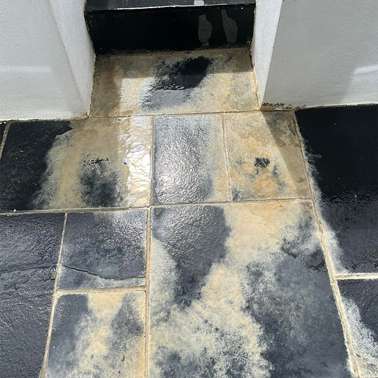 Efflorescence
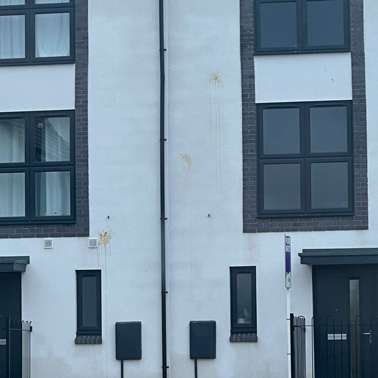 Egg
Egg Failed Sealer
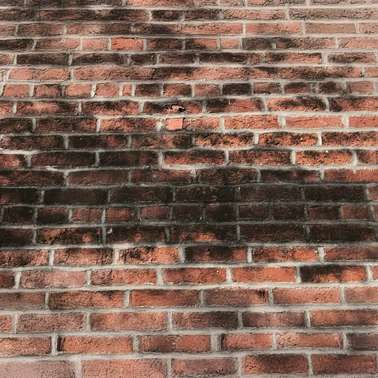 Fire Damage
 Fuel / Oil
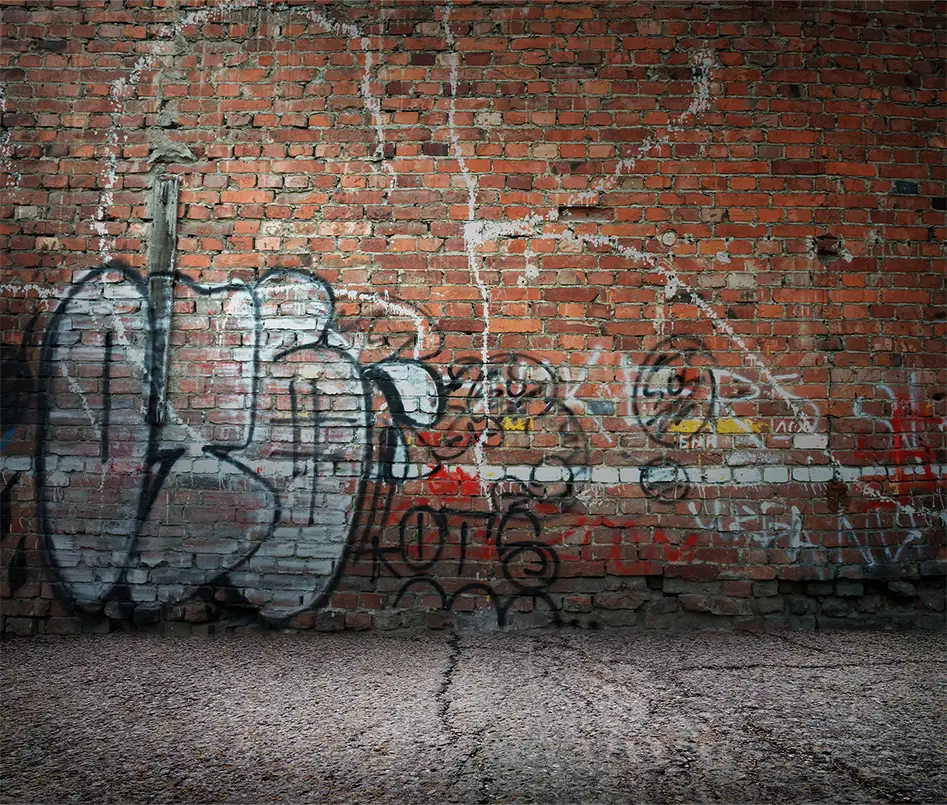 Graffiti
 Grease / Fat / Cooking Oil
 Lawn Fertiliser
 Lead Carbonate
 Lead Oxide
 Paint Splashes
 Rust
Rust Tar & Glue
 Tannin Removers
 Traffic Film Removers
 Trapped Moisture / Sealer Repairs
 Urine Neutralisers