How to Choose the Right Sealer for Every Exterior Surface
Choosing the correct sealer is one of the most important decisions when protecting exterior surfaces. While many products claim to offer universal protection, the reality is that different materials require different sealing systems to achieve the best possible results.
A block paving driveway has very different requirements to a sandstone patio, while concrete, resin-bound surfaces and decorative paving each have their own characteristics. Selecting the wrong product can reduce durability, affect the appearance and shorten the lifespan of the surface.
At Pure Seal Services, we assess every project individually before recommending a premium sealing solution. This ensures every customer receives the most appropriate protection for their property rather than a one-size-fits-all approach.
Why Exterior Surfaces Need Sealing
Outdoor surfaces face constant exposure to:
Heavy rainfall
UV rays
Frost
Vehicle traffic
Foot traffic
Oil spills
Dirt
Algae
Moss
General weathering
Over time, porous materials absorb moisture and contaminants, gradually leading to staining, fading and deterioration.
Professional sealing helps create a protective barrier that reduces these effects while making future maintenance considerably easier.
Benefit
Unsealed Surface
Professionally Sealed Surface
Water resistance
Low
Excellent
Colour retention
Moderate
Excellent
Stain resistance
Limited
Improved
Cleaning
More difficult
Easier
UV protection
None
Excellent
Surface lifespan
Reduced
Extended
Step One – Identify the Surface Material
Before choosing any sealer, you must first establish exactly what material you are protecting.
Common exterior surfaces include:
Block paving
Concrete
Sandstone
Limestone
Granite
Slate
Resin-bound stone
Pattern imprinted concrete
Decorative paving
Porcelain
Each surface absorbs liquids differently and therefore requires a sealing system suited to its level of porosity.
Block Paving Sealers
Block paving remains one of the most popular driveway choices throughout the UK.
Professional sealing provides several benefits.
These include:
Stabilising kiln-dried jointing sand
Reducing weed growth
Improving stain resistance
Protecting against UV fading
Enhancing colour
Making maintenance easier
Most domestic block paving benefits from premium acrylic or specialist block paving sealers.
Natural Stone Sealers
Natural stone varies enormously in its structure.
For example:
Stone Type
Porosity
Sandstone
High
Limestone
Medium
Slate
Low
Granite
Very low
Highly porous stones often require penetrating sealers, while denser materials may benefit from different formulations.
Choosing the wrong product can alter the appearance or reduce breathability.
Concrete Surface Sealers
Concrete remains extremely durable but naturally absorbs water.
Professional sealing helps protect against:
Oil stains
Water penetration
Frost damage
Colour fading
General wear
Concrete sealers are particularly popular on:
Driveways
Patios
Paths
Courtyards
Decorative concrete
Resin-Bound Surface Sealers
Resin-bound installations often require specialist products designed specifically for resin systems.
Suitable sealers help:
Preserve colour
Reduce surface wear
Improve stain resistance
Maintain appearance
Not every resin-bound surface requires resealing immediately, making professional assessment particularly important.
Pattern Imprinted Concrete
Pattern imprinted concrete depends heavily on sealing to maintain both colour and protection.
Regular resealing helps:
Restore colour depth
Protect decorative finishes
Reduce water penetration
Improve durability
Without periodic sealing, decorative concrete gradually loses much of its visual appeal.
Natural Finish or Colour Enhancement?
Many homeowners focus on the appearance of the finished surface.
Professional sealers are generally available in several finishes.
Finish
Best For
Natural
Traditional stone and porcelain
Satin
Concrete and paving
Colour enhancing
Sandstone and decorative paving
Wet-look
Contemporary driveways and patios
Selecting the right finish depends entirely on personal preference and the type of surface being protected.
Water-Based vs Solvent-Based Sealers
One of the biggest choices involves selecting between water-based and solvent-based products.
Both have advantages.
Feature
Water-Based
Solvent-Based
Odour
Lower
Higher
Drying time
Fast
Moderate
Colour enhancement
Good
Excellent
Environmental impact
Lower
Higher
Penetration
Very good
Excellent
Professional installers select products according to the specific surface rather than using the same formulation everywhere.
Acrylic vs Resin Sealers
Another common comparison is acrylic versus resin-based sealers.
Feature
Acrylic
Resin
Domestic paving
Excellent
Excellent
Heavy traffic
Good
Outstanding
Colour enhancement
Excellent
Excellent
Chemical resistance
Good
Outstanding
Durability
Excellent
Outstanding
Both systems perform extremely well when correctly matched to the intended application.
Understanding Breathability
A quality exterior sealer should not simply waterproof the surface.
Many premium products are breathable, meaning they:
Repel rainwater
Allow trapped moisture vapour to escape
Reduce internal moisture build-up
Help prevent coating failure
This is particularly important for natural stone and older paving.
UV Protection
Sunlight gradually fades many exterior materials.
Professional sealers help protect against:
Colour fading
Surface dullness
Uneven weathering
This keeps decorative paving looking newer for much longer.
Stain Resistance
One of the biggest reasons homeowners choose sealing is improved stain protection.
Common stains include:
Engine oil
Diesel
BBQ grease
Food
Wine
Leaf tannins
Bird droppings
Quality sealers slow the absorption of these contaminants, allowing much easier cleaning.
Weather Resistance
British weather constantly challenges external paving.
Professional sealers help reduce damage caused by:
Heavy rain
Frost
Ice
UV rays
Temperature changes
Reducing water absorption is particularly important during winter when freeze-thaw cycles can gradually weaken porous materials.
Professional Preparation
Choosing the correct sealer is only part of the process.
Preparation normally includes:
Surface inspection.
Removal of algae and moss.
Deep cleaning.
Drying.
Joint sand replacement where required.
Protecting surrounding areas.
Professional application.
Preparation often determines how well the finished coating performs.
Common Mistakes When Choosing a Sealer
Mistake
Result
Using one product for every surface
Reduced performance
Ignoring porosity
Poor penetration
Selecting appearance over suitability
Reduced durability
Applying unsuitable products
Potential coating failure
Choosing solely on price
Lower long-term value
Professional advice helps avoid these common problems.
Cost vs Long-Term Value
Many homeowners naturally compare prices before deciding whether to seal their exterior surfaces.
While budget products and services may appear attractive initially, they often require more frequent reapplication and may not provide the same level of protection.
Premium sealing services generally include:
Thorough preparation.
High-quality products.
Professional application.
Longer-lasting performance.
Better appearance.
Reduced maintenance.
Although premium sealing represents a greater initial investment, it often delivers significantly better value over the lifetime of the surface.
Why Professional Assessment Matters
Every exterior surface is unique.
Factors influencing product selection include:
Age of the paving.
Existing condition.
Previous sealers.
Weather exposure.
Surface porosity.
Vehicle or foot traffic.
Desired finish.
At Pure Seal Services, every project begins with a detailed assessment to ensure the most suitable premium sealing system is selected. Matching the correct sealer to the specific surface helps maximise durability, preserve appearance and provide long-lasting protection against the demanding British climate while making future maintenance considerably easier.
Matching the Sealer to the Environment
The location of an exterior surface is just as important as the material itself.
Two identical patios can require different sealing solutions depending on their surroundings.
For example:
Environment
Considerations
South-facing garden
Increased UV exposure
Shaded patio
Greater risk of algae growth
Coastal property
Salt exposure and strong winds
Under trees
Leaf staining and organic debris
Busy driveway
Higher vehicle traffic
Professional contractors assess these factors before recommending the most suitable sealing system.
Understanding Traffic Levels
A decorative garden path experiences very different wear compared with a family driveway used several times each day.
The amount of traffic influences:
The type of sealer selected.
The expected lifespan.
Future maintenance requirements.
Surface Use
Recommended Protection Level
Decorative pathway
Standard premium protection
Garden patio
High-quality weather protection
Residential driveway
Heavy-duty protection
Commercial entrance
Maximum durability
Choosing a product designed for the expected level of use helps ensure long-lasting performance.
Should Every Surface Have a Wet-Look Finish?
Not necessarily.
Although wet-look sealers remain popular, they are not always the best choice.
Many homeowners now prefer natural-looking finishes that protect the paving without noticeably changing its appearance.
A natural finish may be particularly suitable for:
Heritage properties.
Contemporary landscaping.
Natural stone patios.
Premium porcelain paving.
Colour-enhancing products, meanwhile, are often chosen where homeowners want to restore the richness of faded paving while maintaining a realistic appearance.
The Importance of Surface Preparation
Even the highest-quality sealer cannot perform properly if applied over contamination or damp paving.
Professional preparation usually includes:
Removing moss and algae.
Eliminating dirt and debris.
Treating biological growth.
Allowing sufficient drying time.
Repairing damaged joints where required.
Inspecting the surface for defects.
Skipping these steps can significantly reduce the lifespan of the protective coating.
Why Moisture Content Matters
One of the most common reasons for sealing failures is excessive moisture within the surface.
If paving has not dried completely following cleaning, trapped moisture can affect:
Adhesion.
Appearance.
Durability.
Curing times.
Professional installers carefully assess conditions before beginning application, ensuring the surface is suitable for sealing.
Can You Apply Too Much Sealer?
Yes.
Applying excessive amounts does not provide additional protection and may actually reduce the quality of the finish.
Over-application can sometimes lead to:
Uneven sheen.
Sticky patches.
White blooming.
Extended curing times.
Poor overall appearance.
Applying the correct coverage rate is one of the reasons professional installation consistently delivers better results than many DIY attempts.
Long-Term Maintenance of Sealed Surfaces
Although premium sealing dramatically reduces maintenance, simple routine care still helps maximise performance.
Recommended maintenance includes:
Sweeping leaves regularly.
Cleaning spills promptly.
Removing accumulated dirt.
Avoiding unnecessarily harsh cleaning methods.
Arranging periodic inspections.
These straightforward measures help preserve both the appearance and effectiveness of the protective coating.
Signs It’s Time to Reseal
No sealer lasts forever.
Over time, weather exposure and regular use gradually reduce the effectiveness of the protective barrier.
Common signs include:
Sign
Possible Cause
Water no longer beads on the surface
Protective coating wearing away
Colours appear dull
Reduced UV protection
Stains develop more easily
Declining stain resistance
Algae returns more quickly
Reduced moisture protection
Surface becomes harder to clean
Sealer nearing the end of its service life
Identifying these signs early allows resealing to be carried out before significant deterioration occurs.
Frequently Asked Questions
Does the most expensive sealer always perform best?
Not necessarily. The most suitable product depends on the material, environment and intended use. Professional product selection is often more important than price alone.
Can one sealer be used on every exterior surface?
No. Different materials have different porosity levels and performance requirements, which is why professional assessment is so valuable.
Is sealing only worthwhile for new paving?
Not at all. Older driveways and patios often benefit significantly from sealing after professional cleaning, helping preserve their appearance and reduce future maintenance.
Will sealing repair damaged paving?
No. Sealers are designed to protect, not repair. Structural issues, damaged joints or loose paving should always be addressed before sealing.
Why Premium Products Deliver Better Value
When comparing quotations, the lowest initial price does not always represent the best investment.
Premium sealing systems generally offer:
Higher-quality ingredients.
Better penetration.
Superior UV resistance.
Improved weather protection.
Greater stain resistance.
Longer service life.
Combined with meticulous preparation and professional application, these products often require less frequent maintenance and fewer repeat treatments.
While a premium service typically costs more upfront than budget alternatives, it can reduce long-term ownership costs by protecting the surface more effectively and extending its lifespan.
At Pure Seal Services, we believe every exterior surface deserves a tailored approach. By carefully assessing the material, its condition and the environment it is exposed to, we can recommend the most appropriate premium sealing system for long-lasting protection. Choosing the right sealer is about much more than appearance—it is about preserving your investment, reducing maintenance and ensuring your driveway, patio or paved area continues looking its best throughout the changing British seasons.

 Artificial and Sports Surfaces
 Awnings / Canopies / Gazebos
 Block Paving
 Brickwork
 Composite Surfaces
 Decking / Timber
 Granite
 Imprinted Concrete
 Internal Masonry
 Limestone
 Marble
 Metal Cladding
 Polished or Honed Stone
 Porcelain
 Render
 Resin Bond
 Road and Rail Signs
 Roof Tiles / Slates
 Sandstone
 Slate
Slate Solar Panels and Glass
 Stone Sills and Pier Caps
 Tarmac and Asphalt
 Gutters & UPVC
 Acid Damage
 Biofilm
 Bitumen
 Blood
Blood Carbon
 Concrete / Grout / Mortar
 Copper Oxide
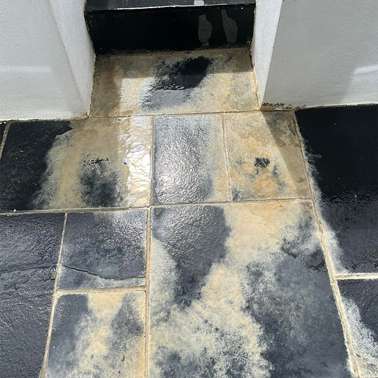 Efflorescence
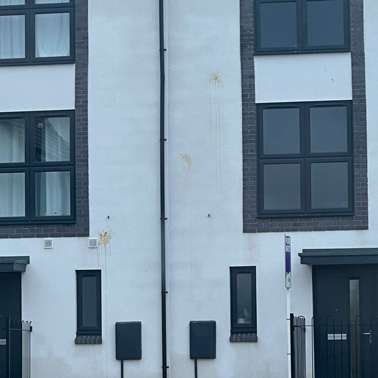 Egg
Egg Failed Sealer
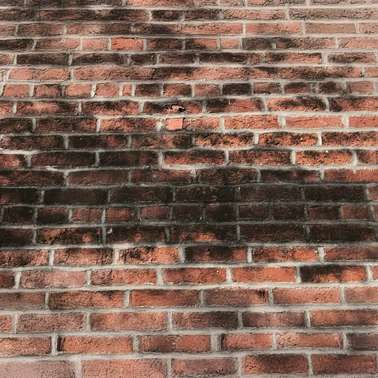 Fire Damage
 Fuel / Oil
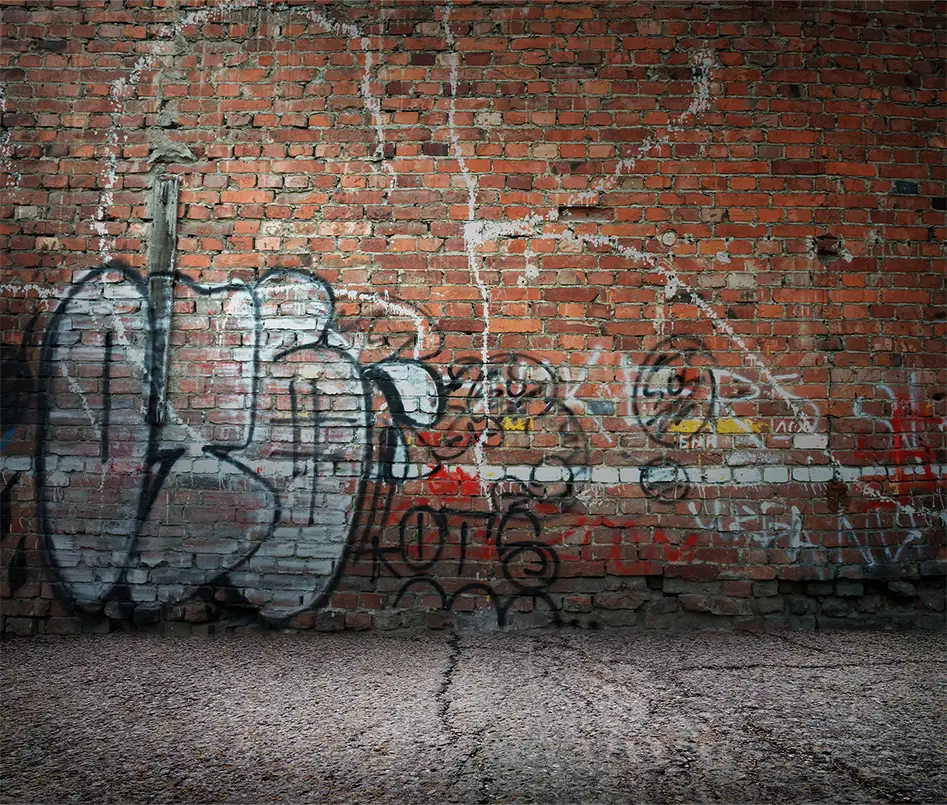 Graffiti
 Grease / Fat / Cooking Oil
 Lawn Fertiliser
 Lead Carbonate
 Lead Oxide
 Paint Splashes
 Rust
Rust Tar & Glue
 Tannin Removers
 Traffic Film Removers
 Trapped Moisture / Sealer Repairs
 Urine Neutralisers