

How Often Should Windows Be Cleaned? Full UK Guide with Costs and Schedules
How Often Should a Window Be Cleaned?
Windows are one of the most visible parts of a home or commercial building. Clean, streak-free glass not only improves a property’s appearance but also maximises natural light, reduces long-term wear, and prevents damage from grime and environmental pollutants. However, one question regularly arises: how often should a window be cleaned?
The answer isn’t the same for everyone. The ideal frequency depends on a range of factors including location, environment, property type, and personal standards. In this guide, we’ll break down window-cleaning frequency for homes and businesses, explore cost expectations, discuss contributing factors, and share a few practical maintenance insights — all with UK contexts and pound-based examples.
1. Why Clean Windows Regularly?
Before deciding how often to clean, it’s important to understand why it matters.
| Benefit | Explanation |
|---|---|
| Aesthetic appeal | Clean windows instantly enhance the look of a property, inside and out. |
| Natural light | Dirt and film can block up to 20–30% of natural light. Regular cleaning keeps rooms brighter. |
| Preventing glass degradation | Pollutants, hard-water stains, and bird droppings can etch into glass if left too long. |
| Energy efficiency | Clean windows allow in more sunlight, naturally warming rooms and lowering heating costs. |
| Property value | Regular upkeep signals good maintenance, improving resale or rental appeal. |
2. General Window Cleaning Frequency Guidelines
Below is a general guide for how often windows should be cleaned in different situations. These are broad averages — some households or businesses might need more frequent attention.
| Property Type | Recommended Frequency | Notes |
|---|---|---|
| Residential (urban areas) | Every 4–6 weeks | City pollution and traffic grime build up faster. |
| Residential (rural/suburban) | Every 6–8 weeks | Less pollution, but pollen and insects can accumulate. |
| Coastal homes | Every 2–4 weeks | Salt spray and sea mist accelerate corrosion and spotting. |
| Commercial shopfronts | Weekly or bi-weekly | Visibility and customer impression are critical. |
| Office buildings | Every 4–8 weeks | Frequency varies by height and exposure. |
| High-rise or apartment blocks | 3–4 times per year | Professional access required. |
| Schools or hospitals | Every 8–12 weeks | Cleanliness standards and budgets both apply. |
| Restaurants and cafés | Weekly | Hygiene and presentation demand spotless glass. |
3. Factors Affecting Cleaning Frequency
a. Location
-
Urban vs rural: City windows accumulate more grime due to exhaust fumes, construction dust, and air pollution.
-
Coastal areas: Salt and sea spray cause mineral deposits that cling stubbornly to glass.
-
Industrial zones: Factories or quarries nearby can leave a fine film of residue or dust.
b. Weather and Season
Rain itself doesn’t dirty windows — but rain mixed with dust or pollen does. In spring, pollen can stick to damp glass. In winter, heating condensation can leave streaks inside.
-
Spring/Summer: High pollen and insects.
-
Autumn: Falling leaves and organic debris.
-
Winter: More condensation inside and salt spray outside (especially near roads treated with grit).
c. Building Height and Access
Upper windows accumulate less ground-level dust but may still collect rain marks and spider webs. Ground-floor panes near roads or gardens need more frequent cleaning.
d. Type of Glass and Frame
Some modern windows have self-cleaning coatings that react with sunlight to break down dirt. However, they still need occasional washing (every 8–12 weeks) to stay effective.
UPVC frames are easier to maintain, while timber frames require gentler cleaning to prevent damage.
e. Personal or Business Standards
Homeowners may tolerate a little dust; retail businesses cannot. Brand presentation or aesthetic standards often dictate the schedule more than environmental conditions.
4. Residential Window Cleaning
Exterior Windows
For most UK homes:
-
Urban: Every 4–6 weeks.
-
Rural/suburban: Every 6–8 weeks.
-
Coastal: Every 2–4 weeks.
Exterior windows collect the most debris — insects, pollution, rain spots, and bird droppings. Leaving these too long can result in permanent etching or watermarks.
Interior Windows
Interior windows don’t face harsh weather, so cleaning them every 3–6 months is usually sufficient. However, kitchens and bathrooms may need more frequent cleaning due to condensation, cooking grease, or splashes.
Example Schedule (Typical Detached Home)
| Area | Suggested Frequency | Comments |
|---|---|---|
| Front and side windows | Every 4–6 weeks | Visible areas affect curb appeal. |
| Rear windows | Every 6–8 weeks | Less visible but still gather dirt. |
| Conservatory glass | Every 4 weeks | Pollen and algae accumulate quickly. |
| Skylights/rooflights | Every 3 months | Hard to reach; may require telescopic poles. |
| Interior glass | Every 3–6 months | Use microfibre cloths to avoid streaks. |
5. Commercial and Public Buildings
Businesses face different expectations. Clean windows communicate professionalism and hygiene. For many, it’s not optional but a matter of reputation.
Retail Shops and Showrooms
-
Should be cleaned weekly or even twice weekly if on busy streets.
-
Smudges or fingerprints can deter customers.
-
Average cost (UK): £10–£25 per visit for small shopfronts.
Offices
-
Every 4–8 weeks depending on building height and environment.
-
Multi-storey offices often contract quarterly or monthly services.
Restaurants, Cafés, and Hotels
-
Weekly cleaning recommended for ground-floor glass.
-
Dining areas and hotel lobbies should maintain pristine visibility.
Schools, Hospitals, and Councils
-
Often cleaned every 8–12 weeks under facility management budgets.
-
Prioritise hygiene and safety over aesthetics but still require consistency.
6. The Cost of Window Cleaning (UK Averages)
Prices vary depending on window type, access, and frequency. Below is a guide using pound-based estimates for 2025.
| Property Type | Average Cost per Visit | Typical Frequency | Monthly Cost Estimate (£) |
|---|---|---|---|
| Small flat | £10–£15 | Every 6 weeks | £10–£15 |
| 2–3 bed house | £15–£25 | Every 4–6 weeks | £20–£30 |
| Detached house | £25–£45 | Every 4–6 weeks | £30–£45 |
| Large detached / conservatory | £40–£70 | Every 4 weeks | £40–£70 |
| Small shopfront | £10–£25 | Weekly | £40–£100 |
| Medium office building | £150–£400 | Monthly | £150–£400 |
| Multi-storey building | £500–£1,500+ | Quarterly | £170–£500 average monthly equivalent |
Note: Many residential customers use a 4–8 week cycle with local window cleaners who charge per visit, sometimes using water-fed pole systems for safety.
7. Different Cleaning Methods and Their Impact
| Method | Description | Effect on Frequency |
|---|---|---|
| Traditional (squeegee and bucket) | Manual cleaning using detergent and rubber blade. | Standard method; recommended frequency applies. |
| Water-fed pole system | Purified water pumped through telescopic poles, leaving no streaks. | Can extend interval slightly since no residue attracts dirt. |
| Pressure washing (for conservatories) | Used occasionally for frames and roofs. | Usually every 3–6 months only. |
| Rope access / abseiling | Used on high-rise offices. | Frequency depends on contracts — often quarterly. |
| Self-cleaning glass | Photocatalytic and hydrophilic coating breaks down dirt. | Cleaning every 8–12 weeks still recommended for best results. |
8. Environmental Considerations
Regular window cleaning isn’t just cosmetic — it also helps maintain energy efficiency. Dirt and mineral build-up can block solar gain, reducing natural warmth in winter.
Eco-Friendly Tips
-
Use pure water systems (no chemicals).
-
Choose biodegradable detergents when hand-washing.
-
Collect and reuse rinse water if possible.
-
Avoid harsh chemicals on UPVC frames or near plants.
Impact of Neglect
If glass isn’t cleaned for many months:
-
Hard water stains and mineral spots can permanently mark the surface.
-
Frames (especially timber) may degrade faster.
-
The cost of restoration increases — what could be a £20 cleaning job might turn into a £200 glass replacement.
9. Seasonal Cleaning Strategy (UK)
Here’s a recommended seasonal cleaning schedule for residential properties:
| Season | Tasks | Reason |
|---|---|---|
| Spring (Mar–May) | Deep clean exterior & conservatory; remove pollen film. | After winter grime, pollen builds quickly. |
| Summer (Jun–Aug) | Maintain every 4–6 weeks; focus on insect marks and dust. | Warm weather shows smears more clearly. |
| Autumn (Sep–Nov) | Clean after leaf fall; check gutters & skylights. | Prevent staining from organic debris. |
| Winter (Dec–Feb) | Interior cleaning; exterior only if mild and safe. | Cold conditions may freeze water. |
By planning seasonal cleans, you can maintain appearance while spreading costs evenly across the year.
10. How Weather Affects Scheduling
Many people assume there’s no point cleaning windows in the rain — but that’s a myth. Rainwater alone is relatively clean. The problem is pollutants and dust that stick before or after rainfall.
Professional cleaners often continue work even in light rain because purified water systems leave spotless results regardless of drizzle.
| Weather Condition | Effect on Cleaning Schedule |
|---|---|
| Light rain | Minimal impact; safe to clean. |
| Heavy rain / wind | Postpone for safety and quality. |
| Heatwave | Windows dry too quickly; can cause streaks. |
| Frost / freezing | Unsafe; reschedule exterior cleans. |
| Pollen-heavy periods | Clean more frequently to avoid buildup. |
11. Interior vs Exterior Balance
Interior windows are often forgotten, but fingerprints, condensation, and dust can build up quickly — especially on large glass doors or patio panels.
| Glass Type | Interior Cleaning Frequency | Exterior Cleaning Frequency |
|---|---|---|
| Standard double glazing | Every 3–6 months | Every 4–6 weeks |
| Sliding patio doors | Every 2–4 weeks | Every 4–6 weeks |
| Conservatory roof panels | Every 2–3 months | Every 4 weeks |
| Skylights | Every 3–4 months | Every 3–4 months |
12. Health and Safety Aspects
For multi-storey or high windows, ladders are less common now. Most professionals use water-fed poles reaching up to 60 feet, keeping feet firmly on the ground.
-
For homeowners, safety should always come first — especially when cleaning windows above ground level.
-
Never lean from open windows or overreach with short ladders.
-
If access is difficult, schedule a professional clean instead.
13. DIY vs Professional Cleaning
DIY Pros
-
Lower cost (just cleaning products and time).
-
Flexibility to clean whenever you like.
DIY Cons
-
Risk of streaks or scratches.
-
Unsafe at height.
-
Hard to reach upper floors effectively.
Professional Cleaning Pros
-
High-quality finish using purified water.
-
Insured and trained for height work.
-
Time-saving and consistent.
Professional Cleaning Cons
-
Ongoing cost (average £15–£30 per visit).
-
Dependent on booking schedules.
If you want spotless results and have multiple windows or high access areas, professionals usually deliver better value over time — especially if you schedule regular visits.
14. Example Cost Calculations
Here’s an illustrative cost breakdown for typical UK homeowners:
| Example Property | No. of Windows | Cleaning Frequency | Cost per Visit (£) | Annual Total (£) |
|---|---|---|---|---|
| 2-bed semi-detached | 10–12 | Every 6 weeks (8 visits/year) | £20 | £160 |
| 4-bed detached | 18–22 | Every 4 weeks (12 visits/year) | £30 | £360 |
| Bungalow with conservatory | 16 | Every 4 weeks | £35 | £420 |
| Coastal cottage | 8 | Every 2 weeks | £20 | £520 |
| Small shopfront | 6 | Weekly (52 visits/year) | £15 | £780 |
These figures demonstrate that frequency heavily affects annual cost — but also long-term savings, since clean glass lasts longer and avoids restoration fees.
15. What Happens If You Don’t Clean Windows Often Enough?
Neglecting windows for months or years leads to visible and structural issues:
-
Hard-water stains that won’t come off easily.
-
Etched glass where minerals have bonded.
-
Frame deterioration, especially for wooden or metal surrounds.
-
Blocked seals causing condensation inside double glazing.
-
Reduced light transmission and dull interiors.
A single deep clean after a long gap can cost 3–5 times more than routine upkeep.
16. Sustainable Maintenance Strategy
To keep things affordable and manageable, homeowners often use a rotational schedule — alternating between full cleans and partial cleans.
Example Rotational Plan
| Month | Focus | Estimated Cost (£) |
|---|---|---|
| January | Interior only | £20 |
| February | Exterior only | £25 |
| March | Full clean | £35 |
| April | Exterior only | £25 |
| May | Conservatory + exterior | £30 |
| June | Exterior only | £25 |
| July | Full clean | £35 |
| August | Exterior only | £25 |
| September | Gutter + windows | £40 |
| October | Exterior only | £25 |
| November | Interior only | £20 |
| December | Exterior (weather permitting) | £25 |
Total annual cost: approximately £330 for consistent maintenance without overspending.
17. Window Cleaning for Different Materials
| Material | Cleaning Considerations |
|---|---|
| Glass (standard) | Use purified water or mild detergent. Avoid abrasives. |
| UPVC frames | Clean with warm soapy water every 2–3 months to prevent discolouration. |
| Timber frames | Avoid soaking; use damp cloth and dry thoroughly. |
| Aluminium frames | Rinse regularly to remove pollutants that can cause pitting. |
| Leaded glass | Handle gently; avoid strong chemicals. |
18. Inside Tips for Streak-Free Results
-
Use microfibre cloths or squeegees.
-
Clean on cloudy days — direct sun dries water too fast.
-
Use purified or distilled water to avoid mineral spots.
-
Start from the top and work down.
-
Buff dry with newspaper for a natural shine.
19. Summary Table: Recommended Cleaning Frequency Overview
| Environment / Property Type | Interior Cleaning | Exterior Cleaning | Notes |
|---|---|---|---|
| Urban home | Every 3–6 months | Every 4–6 weeks | Pollution buildup faster. |
| Rural home | Every 6 months | Every 6–8 weeks | Dust and pollen moderate. |
| Coastal home | Every 2–3 months | Every 2–4 weeks | Salt residue requires more frequent cleaning. |
| Shopfront | Weekly | Weekly | Customer-facing areas must remain spotless. |
| Office block | Quarterly | Monthly | Dependent on location and exposure. |
| Restaurant / café | Monthly | Weekly | High hygiene standards. |
| School / hospital | Quarterly | Quarterly | Safety and sanitation priorities. |
20. Final Thoughts
So, how often should a window be cleaned?
There’s no one-size-fits-all answer, but most UK homes benefit from every 4–6 weeks externally and every 3–6 months internally. Commercial and coastal properties should schedule more frequent cleaning due to grime and salt exposure.
A consistent routine not only keeps glass crystal-clear but also:
-
Prevents permanent staining.
-
Preserves frames and seals.
-
Improves energy efficiency.
-
Enhances curb appeal year-round.
In short, think of window cleaning as preventive maintenance, not a cosmetic luxury. A small, regular investment — typically £20–£30 every month or two — can save hundreds in long-term restoration and keep your property looking its best through every season.
21. Frequency for Specialist Window Types
Not all windows are made the same — and certain types need unique care routines. Understanding their characteristics ensures they stay clear and functional for years.
| Window Type | Recommended Frequency | Special Considerations |
|---|---|---|
| Skylights & Roof Windows | Every 3–4 months | Collect dust, condensation, and bird droppings due to flat angle. Use extension poles or hire professionals for safety. |
| Bay and Bow Windows | Every 4–6 weeks | The curved shape collects more dirt and pollen. Clean from both inside angles to avoid missed patches. |
| Leaded or Stained Glass | Every 8–12 weeks | Avoid pressure or harsh cleaners; use mild soap and soft cloth. Over-cleaning can loosen leading. |
| Velux or Loft Windows | Every 2–3 months | Prone to internal condensation streaks. Use anti-fog sprays to reduce moisture marks. |
| French and Patio Doors | Every 2–4 weeks | High-contact areas — fingerprints, pet marks, and smudges accumulate quickly. |
| Conservatory Roof Panels | Every 4–6 weeks | Exposed to bird mess and algae. Consider a biannual deep clean with low-pressure rinsing. |
Tip: Specialist windows tend to require gentle handling. Frequent, light cleaning is better than rare, vigorous scrubbing.
22. Calculating the True Value of Regular Cleaning
Some people postpone window cleaning to “save money,” but doing so can actually cost more over time. To illustrate, here’s a quick financial comparison using pound-based examples:
| Scenario | Frequency | Annual Cost (£) | Long-Term Effect |
|---|---|---|---|
| Regular maintenance (every 6 weeks) | 8–9 cleans/year @ £25 each | £200–£225 | Glass remains clear, frames last longer, minimal restoration needed. |
| Occasional cleaning (every 6 months) | 2 cleans/year @ £40 each | £80 | Glass dulls, potential staining; minor restoration every 3 years (£150). |
| Neglected (once every 2 years) | 1 deep clean @ £80 | £80 | Heavy mineral deposits; possible glass replacement every 5 years (£300–£600). |
10-Year Cost Projection Example
| Routine Type | Total Spent Over 10 Years (£) |
|---|---|
| Regular Cleaning | ~£2,200 |
| Occasional | ~£1,250 |
| Neglected (with replacements) | £2,500–£3,500 |
✅ Conclusion: Regular cleaning might seem costlier annually, but over a decade, it’s the most economical choice — preventing expensive restoration and keeping property value higher.
23. How Often Should High-Rise Windows Be Cleaned?
Tall buildings — offices, apartment blocks, or hotels — present unique cleaning challenges. The logistics, cost, and safety requirements mean frequency depends heavily on usage and image standards.
High-Rise Cleaning Considerations
-
Weather exposure: Windborne dirt, pollution, and bird activity are more intense at higher altitudes.
-
Glass surface area: Larger façades collect more rain spots and dust.
-
Access method: Rope access, cradle systems, or powered lifts affect how often cleaning can be scheduled.
| Building Use | Recommended Frequency | Access Method | Approx. Cost per Clean (£) |
|---|---|---|---|
| Corporate offices | Every 2–3 months | Cradle or rope access | £500–£1,200 |
| Residential high-rise | Every 3–4 months | Rope or pole (lower floors) | £300–£800 |
| Hotels | Every 1–2 months | Rope access | £700–£1,500 |
| Mixed-use (retail + flats) | Monthly for retail, quarterly for upper levels | Mixed methods | £400–£1,000 |
Example:
A 12-storey office in London might budget £4,000–£6,000 annually for quarterly façade cleaning, often split across maintenance contracts.
Regulations:
UK health and safety law (Work at Height Regulations 2005) requires strict compliance for high-rise cleaning, meaning professional access systems must be inspected and certified.
24. The Psychological and Productivity Benefits of Clean Windows
Clean windows don’t just look good — they can positively affect mental health, productivity, and mood, especially in work or learning environments.
Natural Light and Wellbeing
-
Exposure to daylight improves serotonin levels, helping regulate mood.
-
Studies show workplaces with abundant natural light see up to 18% higher productivity.
-
Clean glass enhances brightness by up to 25–30%, especially in older buildings.
In Offices
-
Employees report fewer headaches and better concentration when glare and grime are reduced.
-
Regular window cleaning contributes to cleaner air quality, reducing dust and allergens.
In Homes
-
Natural sunlight reduces the need for artificial lighting, lowering electricity costs.
-
Clean windows give a sense of order and calm — particularly important for home workers post-pandemic.
| Environment | Benefit of Clean Windows | Observed Effect |
|---|---|---|
| Home offices | Boosts focus and mood | +18% productivity (average) |
| Classrooms | Increases light for reading | Improved student engagement |
| Retail spaces | Attracts foot traffic | Higher perceived quality of goods |
| Healthcare buildings | Enhances wellbeing | Promotes faster recovery rates in patients |
Conclusion: Regular window cleaning is both a maintenance and wellbeing investment — an underrated but powerful element of healthy living and working spaces.
25. Expert Tips for Extending Time Between Cleans
If you want to reduce cleaning frequency without compromising clarity, follow these professional techniques:
a. Apply a Hydrophobic Coating
Special glass sealants (like rain-repellent coatings used on car windscreens) make water bead and roll off.
-
Average cost: £30–£60 per home application.
-
Reduces visible marks and allows you to stretch intervals by 2–3 weeks.
b. Maintain Frames and Sills
Dirt often starts on the frame before spreading to the glass. Wipe frames monthly with mild soapy water and a microfibre cloth.
c. Keep Gutters Clear
Overflowing gutters spray dirty water onto upper windows. Cleaning gutters every 6–12 months reduces streaking dramatically.
d. Use Window Screens and Nets Wisely
While useful for insects, they trap dust. Vacuum or rinse them quarterly to avoid residue buildup on adjacent panes.
e. Control Indoor Humidity
Condensation causes streaks and mould growth on inner windows. Keep indoor humidity between 40–50%, use ventilation fans, and wipe edges after showers or cooking.
f. Dust Regularly Indoors
Interior dust settles on windowsills and glass surfaces. A quick fortnightly dusting can keep interiors spotless between major cleans.
| Method | Average Time Added Between Cleans | Effort Level |
|---|---|---|
| Hydrophobic coating | +2–3 weeks | Moderate |
| Frame maintenance | +1–2 weeks | Low |
| Gutter cleaning | +1 month | Medium |
| Indoor humidity control | +1–2 weeks | Low |
| Regular dusting | +1 week | Very low |
Implementing even two or three of these methods can reduce total annual cleans by up to 25–30%, saving both time and money.
Conclusion (Extended)
After examining every factor — environment, property type, cost, health benefits, and maintenance — it’s clear that window cleaning is more than a cosmetic chore. It’s part of an ongoing preservation strategy for both property and wellbeing.
Here’s a concise summary of key takeaways:
-
Typical UK homes: Every 4–6 weeks externally, 3–6 months internally.
-
Commercial and coastal properties: More frequent — every 2–4 weeks.
-
Neglecting windows leads to long-term damage and higher costs.
-
Regular cleaning improves natural light, productivity, and mood.
-
Preventive measures (coatings, frame care, humidity control) extend lifespan and reduce cleaning frequency.
Ultimately, clean windows offer a priceless combination of clarity, comfort, and care — a small routine that makes a major difference in how your home or business looks and feels.
Tags: window cleaning, Patio cleaning, Driveway cleaning, pressure washing, Roof Cleaning, Exterior cleaning, gutter cleaning
 Artificial and Sports Surfaces
 Awnings / Canopies / Gazebos
 Block Paving
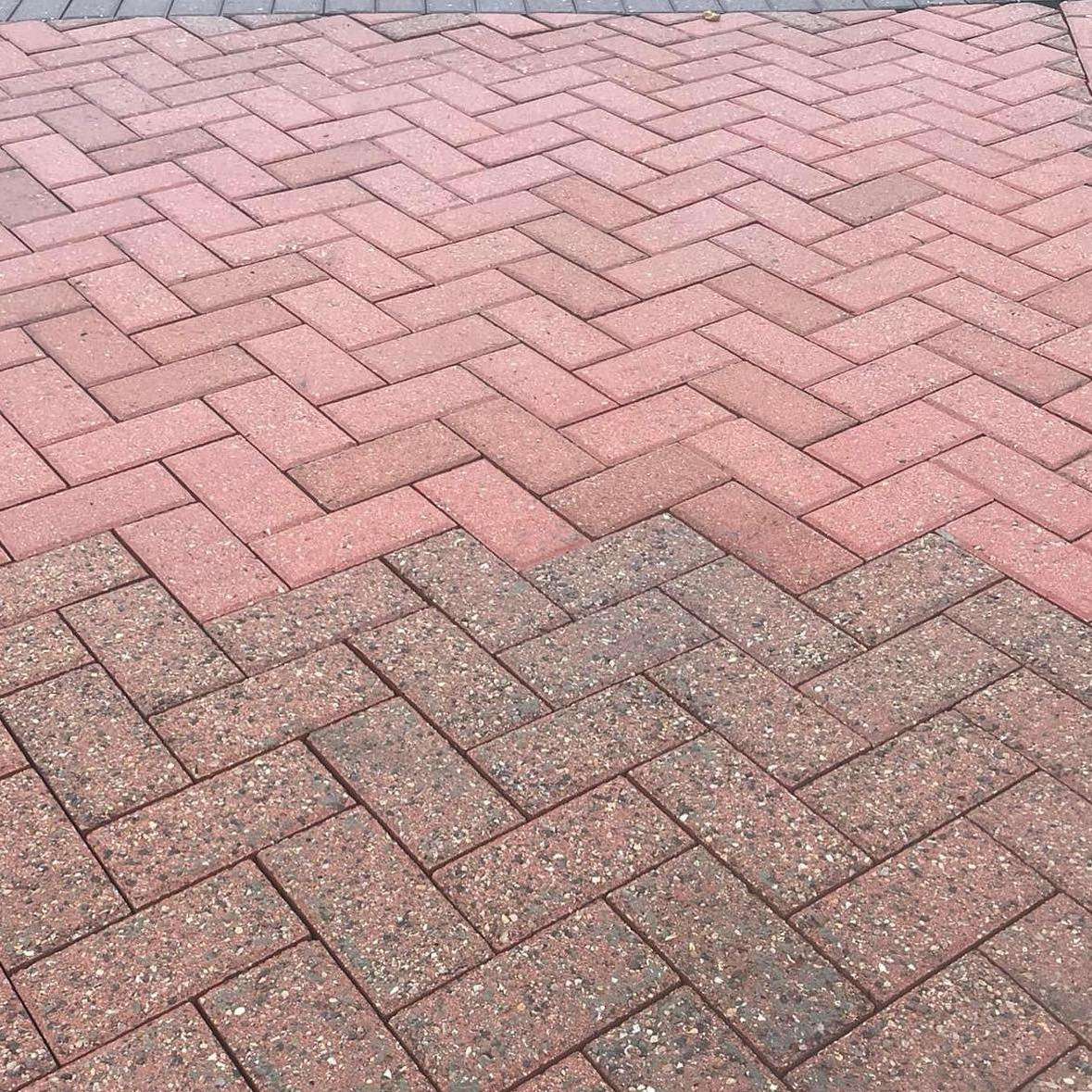 Brickwork
 Composite Surfaces
 Decking / Timber
 Granite
 Imprinted Concrete
 Internal Masonry
 Limestone
 Marble
 Metal Cladding
 Polished or Honed Stone
 Porcelain
 Render
 Resin Bond
 Road and Rail Signs
 Roof Tiles / Slates
 Sandstone
 Slate
Slate Solar Panels and Glass
 Stone Sills and Pier Caps
 Tarmac and Asphalt
 Gutters & UPVC
 Acid Damage
 Biofilm
 Bitumen
 Blood
Blood Carbon
 Concrete / Grout / Mortar
 Copper Oxide
 Efflorescence
 Egg
Egg Failed Sealer
 Fire Damage
 Fuel / Oil
 Graffiti
 Grease / Fat / Cooking Oil
 Lawn Fertiliser
 Lead Carbonate
 Lead Oxide
 Paint Splashes
 Rust
Rust Tar & Glue
 Tannin Removers
 Traffic Film Removers
 Trapped Moisture / Sealer Repairs
 Urine Neutralisers