

Essential Daily and Weekly Pressure Washer Maintenance Guide
Below is your Daily & Weekly Pressure Washing Maintenance Checklist — a practical, pound-based, detailed guide designed to help you run a pressure washing service consistently, safely and profitably. This covers equipment checks, site prep, performance routines, safety checks, and record keeping. It also includes helpful tables to keep things clear and easy to follow. 😊
For essential cleaning products and supplies referenced in this checklist, take a look at https://puresealservices.co.uk/ which sells a range of professional cleaning products tailored for pressure washing and surface care.
🧽 Introduction — The Importance of Daily & Weekly Maintenance
Pressure washing is both physically demanding and equipment intensive. Daily wear and tear, inconsistent cleaning solutions, and neglect of basic checks can lead to breakdowns, poorer results and higher costs. This maintenance checklist is aimed at professional operators, site managers and anyone serious about keeping equipment in top shape — reducing downtime and avoiding expensive repairs.
Proper maintenance ensures:
-
Consistent cleaning performance 🚿
-
Safer operating conditions ⚠️
-
Longer equipment life 🔧
-
Lower long-term costs 💷
-
Better client satisfaction 😊
📅 Daily Pressure Washing Maintenance Checklist
Daily maintenance should be straightforward but thorough. It sets the tone for the day and ensures machines are ready for immediate use.
📌 Morning Start-Up Checks
| Task | Why It Matters | Notes |
|---|---|---|
| Inspect power/engine oil level | Ensures proper lubrication | Top up if needed |
| Check water supply connection | Avoids air locks and cavitation | Use clean, debris-free hoses |
| Inspect high-pressure hose for cracks | Prevents burst hoses | Replace any damaged hose |
| Check spray gun and lance for wear | Ensures spray quality | Tighten fittings |
| Confirm fuel level (for petrol/diesel units) | Avoids mid-job stoppage | Refuel before start |
| Examine nozzle condition | Impacts pressure and spray pattern | Swap worn nozzles |
👉 Tip: Keep a small container of fresh engine oil and spare nozzles in your van or storage area. Consistent early checks prevent small issues turning into big problems.
🧰 Equipment Warm-Up
Before applying pressure to any surface, a brief warm-up protects internal components.
Daily Warm-Up Sequence:
-
Start engine/motor and let idle for 2–3 minutes.
-
Run water through system before adding detergents or chemicals.
-
Engage pressure trigger briefly to clear air from lines.
-
Listen for unusual sounds — hisses, clunks or cavitation noises.
This simple routine ensures pumps, seals and valves are operating smoothly.
⚠️ Safety & PPE (Every Single Day)
| Protective Item | Use | Reminder |
|---|---|---|
| Safety goggles | Protect eyes from splash | Always wear |
| Gloves | Protect hands from chemicals | Chemical-resistant preferred |
| Hearing protection | Protect ears from noise | Especially petrol engines |
| Steel-toe boots | Protect feet from impact | Required on most sites |
| High-visibility vest | Be seen on busy sites | Mandatory on commercial jobs |
Pressure washers can be dangerous — high-pressure jets can cause serious injury. Make sure staff are briefed daily on PPE expectations and site hazards.
💷 Daily Chemical & Cleaning Solution Checks
Using branded, quality cleaning products everday improves results and reduces surface damage. For detergents, degreasers, surface protectors and anti-foaming agents, visit https://puresealservices.co.uk/.
| Product Category | Use | Application |
|---|---|---|
| Alkaline degreaser | Heavy oil/grease removal | Driveways, garages |
| Acidic cleaner | Mineral stains | Brick, stone (not on sensitive surfaces) |
| Surface protector | After cleaning protection | Enhances long-term look |
| Anti-foam agent | Reduces suds in recovery tanks | Especially useful for large jobs |
Daily handling tips:
-
Mix solutions according to manufacturer instructions.
-
Never mix incompatible chemicals together.
-
Labelling containers helps avoid mistakes.
📋 Daily Job Record Sheet
Maintaining a simple record sheet each day helps with accountability.
Daily Log Example (simplified):
| Date | Job Location | Start Time | End Time | Chemical Used | Notes |
|---|
This log helps track performance, chemical usage and can be useful for billing or customer queries.
🗓 Weekly Pressure Washing Maintenance Checklist
Weekly tasks go deeper than daily checks, often involving cleaning components, tightening fittings and preparing for the next set of jobs.
🔩 Equipment Deep Inspection
Once per week, perform a more thorough inspection:
| Component | Check | Action If Needed |
|---|---|---|
| Pump oil | Clarity and level | Replace if discoloured/contaminated |
| Hoses & fittings | Wear and tear | Replace cracked hoses |
| Trigger gun | Smooth operation | Clean or replace |
| Nozzles | Blockage or wear | Clean or fit new |
| Fuel filters | Clogs | Replace |
💡 Note: Some pumps will recommend oil changes by hours of use — check your machine’s manual.
🧼 Cleaning the Unit
A dirty pressure washer invites corrosion.
Weekly cleaning includes:
-
Wiping down the exterior of the unit
-
Flushing detergent lines
-
Removing debris from engine cooling fins
-
Cleaning around the fuel cap
This ensures that dust and grime don’t compromise performance.
📍 Calibration & Performance Test
Before your weekly seal inspection, run a performance test on an open surface:
-
Set up the unit in a clean area.
-
Run at operating pressure for a few minutes.
-
Check if pressure is consistent.
-
Measure flow rate if possible.
If pressure drops or spray pattern is inconsistent, look for:
-
Worn nozzles
-
Leaks in hoses
-
Pump issues
💰 Weekly Chemical Stock Check
Run a stock check of your cleaning solutions at the end of the week:
| Product | Starting Stock | Used | Remaining | Order Needed |
|---|---|---|---|---|
| Alkaline cleaner | 20 L | 12 L | 8 L | Yes/No |
| Acidic solution | 10 L | 8 L | 2 L | Yes/No |
| Surface protector | 15 L | 5 L | 10 L | Yes/No |
| Anti-foam agent | 5 L | 3 L | 2 L | Yes/No |
Check https://puresealservices.co.uk/ for replenishment — keeping enough stock avoids last-minute rush orders and price spikes.
🛠 Weekly Safety & Training Check
Review with your team:
-
Safety incidents or near misses from the week.
-
PPE compliance.
-
Emergency procedures.
-
Chemical handling refresh.
Sometimes bodies forget what they learned — a weekly refresher keeps safety sharp.
🧮 Tables to Help You Stay Organised
Here are some ready-to-use tables you can print or adapt for daily use.
📔 Daily Maintenance Checklist Template
| Task | Completed (✔/✘) | Notes |
|---|---|---|
| Engine oil level checked | ||
| Water supply secured | ||
| High-pressure hose inspected | ||
| Spray gun/lance checked | ||
| Fuel level sufficient | ||
| Nozzles checked | ||
| Equipment warmed up | ||
| PPE checked | ||
| Chemicals mixed correctly | ||
| Daily job logged |
📆 Weekly Maintenance Checklist Template
| Task | Completed (✔/✘) | Notes |
|---|---|---|
| Pump oil condition checked | ||
| Hoses & fittings | ||
| Trigger gun operation | ||
| Nozzles | ||
| Unit exterior cleaned | ||
| Detergent lines flushed | ||
| Performance test done | ||
| Stock check | ||
| Safety training review |
🧠 Best Practice Tips
🧹 System Flushing
At the end of each shift, flush the system with clean water to avoid chemical residue settling in lines.
🪣 Store Chemicals Properly
Always store buckets and containers upright in a well-ventilated, cool place, away from direct sunlight. Old or overheated chemicals can degrade and lose effectiveness.
🔧 Keep Spare Parts On Hand
Common items you’ll want spares of:
-
Nozzles in various angles
-
High-pressure hose sections
-
Spray gun seals
-
Pump o-rings
-
Filters
Being prepared saves time and money — especially on busy days.
📝 Digital vs Paper Checklists
Both paper and digital checklists have value:
Paper
✔ Easy to tick off
✔ Works when devices run out of battery
Digital
✔ Easier to store and analyse over time
✔ Can be backed up and shared
Choose the format that suits your workflow.
🚨 Incident Reporting
Encourage your team to report even minor issues — a slight vibration, a flare-up of noise, or a small leak can be an early warning sign.
Have a simple incident form that records:
-
Date & time
-
Description
-
Immediate action
-
Follow-up required
🔄 Patterns Over Time
Keeping records consistently — daily and weekly — means you’ll start to see patterns:
📍 Certain jobs that use up more chemicals
📍 Specific nozzles wearing faster
📍 Hoses that crack under certain conditions
Review your logs monthly to make smarter decisions, such as:
-
Ordering more stock of fast-used chemicals
-
Training staff on better hose handling
-
Adjusting cleaning techniques for efficiency
✍️ Seasonal Maintenance
Although not part of the weekly routine, it’s worth noting that seasonal changes affect equipment:
| Season | Considerations |
|---|---|
| Winter ❄️ | Protect from freezing, use anti-freeze solutions |
| Spring 🌦 | Clean off winter grime, calibrate nozzles |
| Summer ☀️ | Check cooling systems, avoid overheating |
| Autumn 🍂 | Clear debris, check belts and filters |
🪟 Surface-Specific Notes
Not all surfaces are equal:
🔹 Concrete/Driveways – often require stronger detergents and multiple passes.
🔹 Wood decking – gentle detergents and careful pressure control to avoid damage.
🔹 Composite surfaces – follow manufacturer’s guidelines, usually mid-range pressure.
🔹 Vehicle exteriors – soft nozzles and car-safe shampoos are key.
Visit https://puresealservices.co.uk/ for guidance on choosing the right product for each surface type.
🛎 Record Keeping & Performance Monitoring
As part of your ongoing maintenance culture, keep these records:
📌 Daily checklist outcomes
📌 Weekly deeper maintenance logs
📌 Chemical usage breakdown
📌 Incident reports
📌 Retention of receipts for oils, parts and chemicals (£)
Use tables, charts or software to monitor:
📈 Costs per job
🛠 Parts replaced per month
💧 Chemical usage trends
🪪 Team compliance levels
Good data helps you forecast demand and optimise routes, supplies and staffing.
👍 Final Tips for Success
✔ Always follow the manufacturer’s instructions for your pressure washer.
✔ Invest in quality chemicals and maintenance supplies.
✔ Train your team regularly.
✔ Keep tools and records organised.
✔ Treat maintenance as part of the job, not an add-on.
🧾 Cost Control & Budget Awareness in Maintenance
Maintenance isn’t just about protecting equipment — it’s about protecting profit margins 💷. Daily and weekly checks help prevent unexpected repair costs that can quickly eat into earnings.
Typical Maintenance-Related Costs (UK-Based)
| Item | Estimated Cost Range | Frequency |
|---|---|---|
| Replacement nozzles | £5 – £25 each | Monthly |
| High-pressure hose | £40 – £120 | Annually / as needed |
| Pump oil | £10 – £25 per litre | Quarterly |
| Engine oil | £8 – £20 per litre | Monthly |
| Seals & O-rings | £5 – £30 | As required |
Keeping a weekly eye on wear allows you to replace small, inexpensive parts before they cause larger failures. A £15 seal replaced early can prevent a £600 pump replacement later.
💡 Best practice: Log all maintenance spending weekly so you can identify cost patterns and forecast upcoming expenses.
🚚 Vehicle & Transport Maintenance (Weekly Integration)
Pressure washing equipment often travels daily, which makes vehicle maintenance part of the wider checklist.
Weekly Vehicle Checks
| Area | Check | Why It Matters |
|---|---|---|
| Load security | Straps, brackets | Prevents damage & accidents |
| Water tanks | Leaks & fittings | Avoids pressure loss |
| Chemical storage | Upright & sealed | Safety & compliance |
| Tyres | Pressure & wear | Fuel efficiency & safety |
| Van cleanliness | Interior wash-down | Prevents corrosion |
A clean, well-organised van also improves professionalism when arriving on site and reduces setup time ⏱️.
🧪 Chemical Handling, Storage & Waste Management
Weekly reviews should include how chemicals are being handled, stored and disposed of. This isn’t just about results — it’s about safety and compliance.
Weekly Chemical Storage Checklist
✔ Containers clearly labelled
✔ Lids tightly sealed
✔ Stored away from heat and sunlight
✔ No incompatible products stored together
✔ Spill kit accessible
Empty containers should be rinsed and disposed of responsibly. Never pour leftover chemicals down drains unless explicitly permitted by product guidance.
For consistent, professional-grade cleaning solutions, operators often rely on products from https://puresealservices.co.uk/ to maintain predictable results and minimise misuse.
🧠 Quality Control & Consistency Checks
One overlooked area of weekly maintenance is output quality. Even when machines are working, results can slowly decline if standards aren’t checked.
Weekly Quality Review
Ask the following:
-
Are cleaned surfaces drying evenly?
-
Are streaks or missed patches appearing?
-
Is pressure output consistent across jobs?
-
Are chemicals activating as expected?
| Issue Observed | Possible Cause | Action |
|---|---|---|
| Patchy finish | Worn nozzle | Replace nozzle |
| Weak cleaning | Incorrect mix | Recheck ratios |
| Surface damage | Excess pressure | Adjust PSI |
| Foaming residue | Poor rinse | Extend rinse cycle |
This review helps maintain a professional finish across all jobs, regardless of operator.
👷 Team Accountability & Role Assignment
Where more than one person is involved, maintenance should never be “everyone’s job” — because then it becomes no one’s job.
Suggested Weekly Responsibility Split
| Role | Responsibility |
|---|---|
| Lead operator | Equipment checks |
| Assistant | Hose & nozzle inspection |
| Supervisor | Logs & records |
| Manager | Stock & budget review |
Clear ownership ensures tasks are completed properly and creates accountability if issues arise.
📝 Tip: Rotate responsibilities monthly so all staff understand the full system.
📊 Performance Tracking & Improvement Over Time
Weekly data collection allows you to move from reactive maintenance to proactive planning.
Metrics Worth Tracking
📌 Average cleaning time per job
📌 Chemical usage per surface type
📌 Equipment downtime
📌 Maintenance spend per month (£)
📌 Repeat equipment issues
Example Weekly Performance Table:
| Week | Jobs Completed | Downtime (hrs) | Maintenance Cost (£) | Notes |
|---|
Over time, these figures reveal opportunities to:
-
Adjust pricing
-
Improve training
-
Upgrade specific components
-
Reduce waste
🔁 Continuous Improvement Mindset
The most reliable pressure washing operations treat maintenance as a living system — not a static checklist.
Each week should end with a short review:
-
What went well?
-
What failed or slowed work?
-
What can be improved next week?
Small adjustments — better hose storage, clearer logs, improved chemical labelling — compound into major efficiency gains over months.
Maintaining equipment properly doesn’t just extend machine life; it builds trust with clients, protects staff, and supports steady growth 📈
Tags: Patio cleaning, Driveway cleaning, pressure washing, Roof Cleaning, Exterior cleaning, gutter cleaning, window cleaning
 Artificial and Sports Surfaces
 Awnings / Canopies / Gazebos
 Block Paving
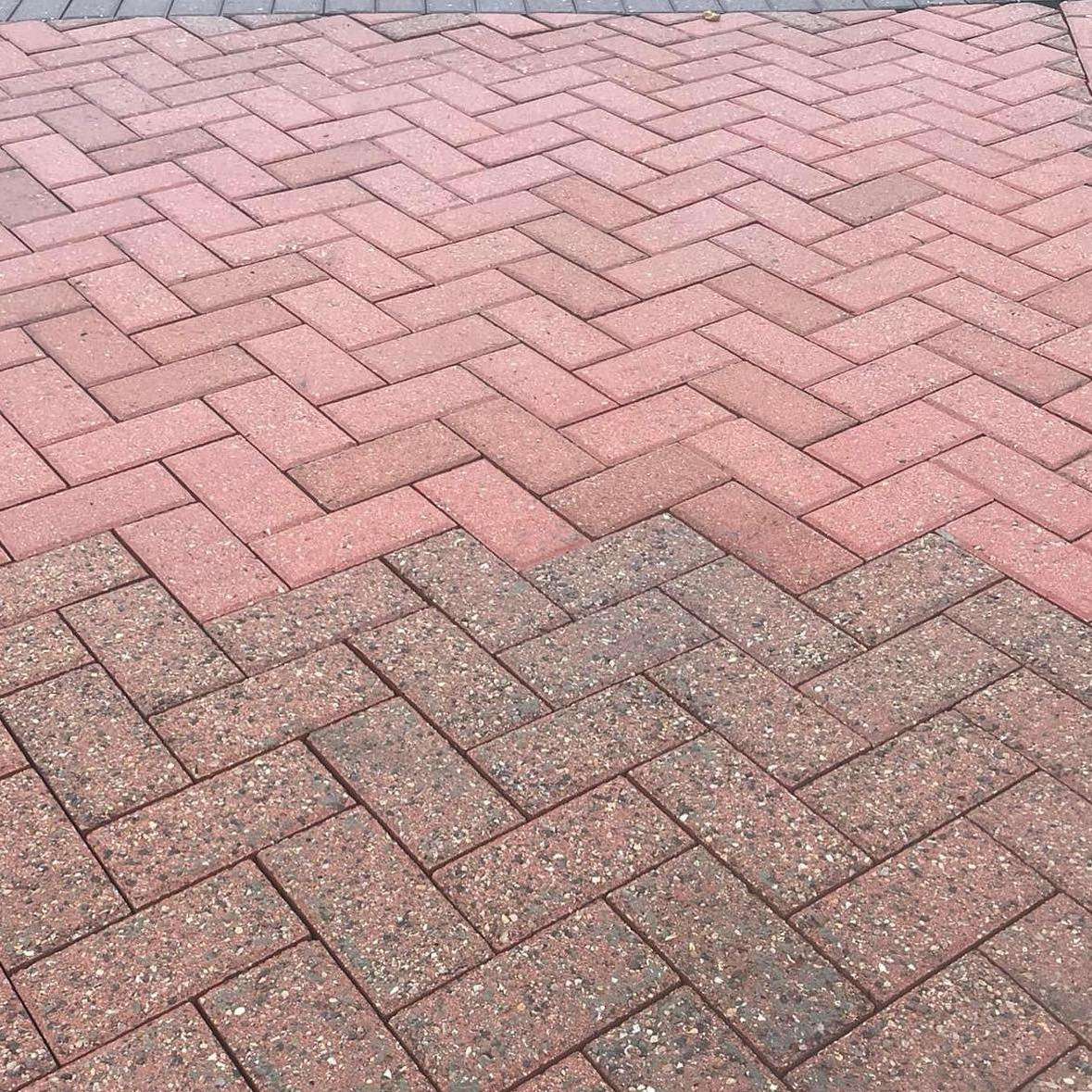 Brickwork
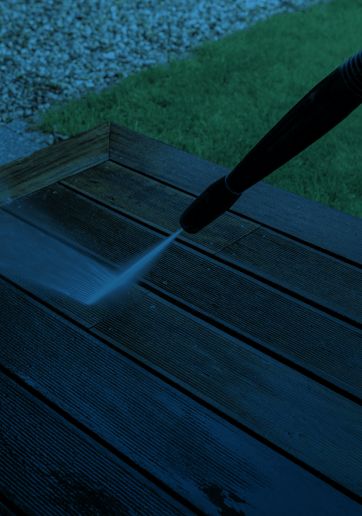 Composite Surfaces
 Decking / Timber
 Granite
 Imprinted Concrete
 Internal Masonry
 Limestone
 Marble
 Metal Cladding
 Polished or Honed Stone
 Porcelain
 Render
 Resin Bond
 Road and Rail Signs
 Roof Tiles / Slates
 Sandstone
 Slate
Slate Solar Panels and Glass
 Stone Sills and Pier Caps
 Tarmac and Asphalt
 Gutters & UPVC
 Acid Damage
 Biofilm
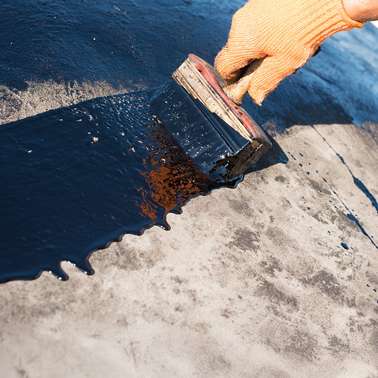 Bitumen
 Blood
Blood Carbon
 Concrete / Grout / Mortar
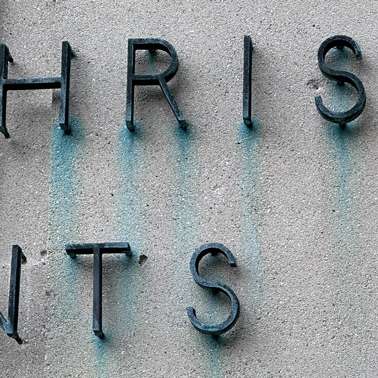 Copper Oxide
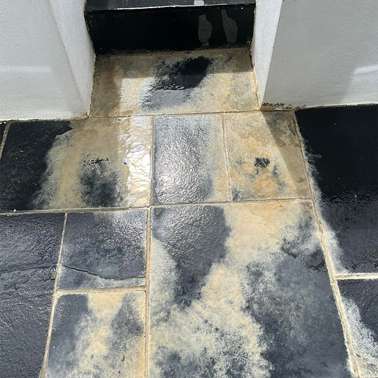 Efflorescence
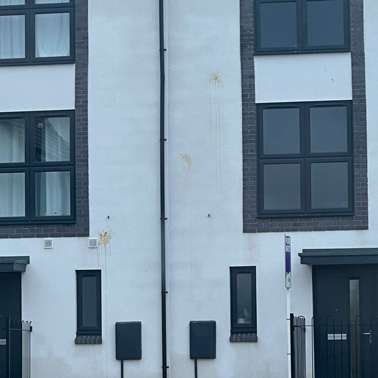 Egg
Egg Failed Sealer
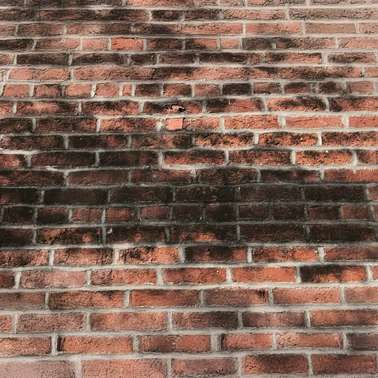 Fire Damage
 Fuel / Oil
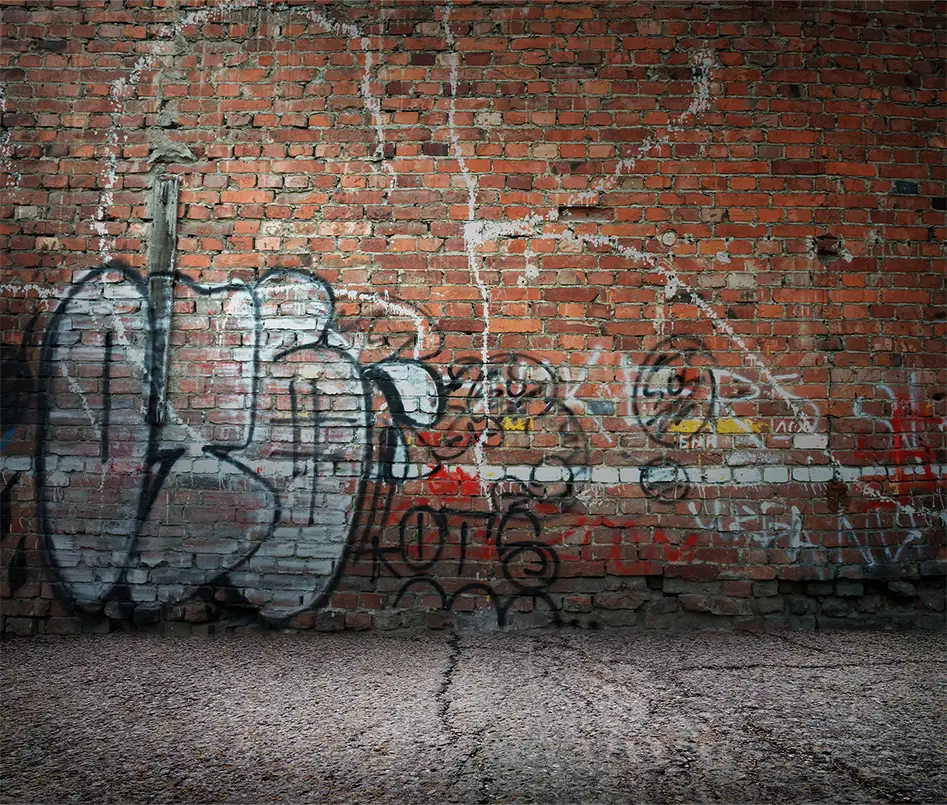 Graffiti
 Grease / Fat / Cooking Oil
 Lawn Fertiliser
 Lead Carbonate
 Lead Oxide
 Paint Splashes
 Rust
Rust Tar & Glue
 Tannin Removers
 Traffic Film Removers
 Trapped Moisture / Sealer Repairs
 Urine Neutralisers