what-time-of-year-to-jet-wash-a-patio

What Time of Year to Jet Wash a Patio?

Introduction

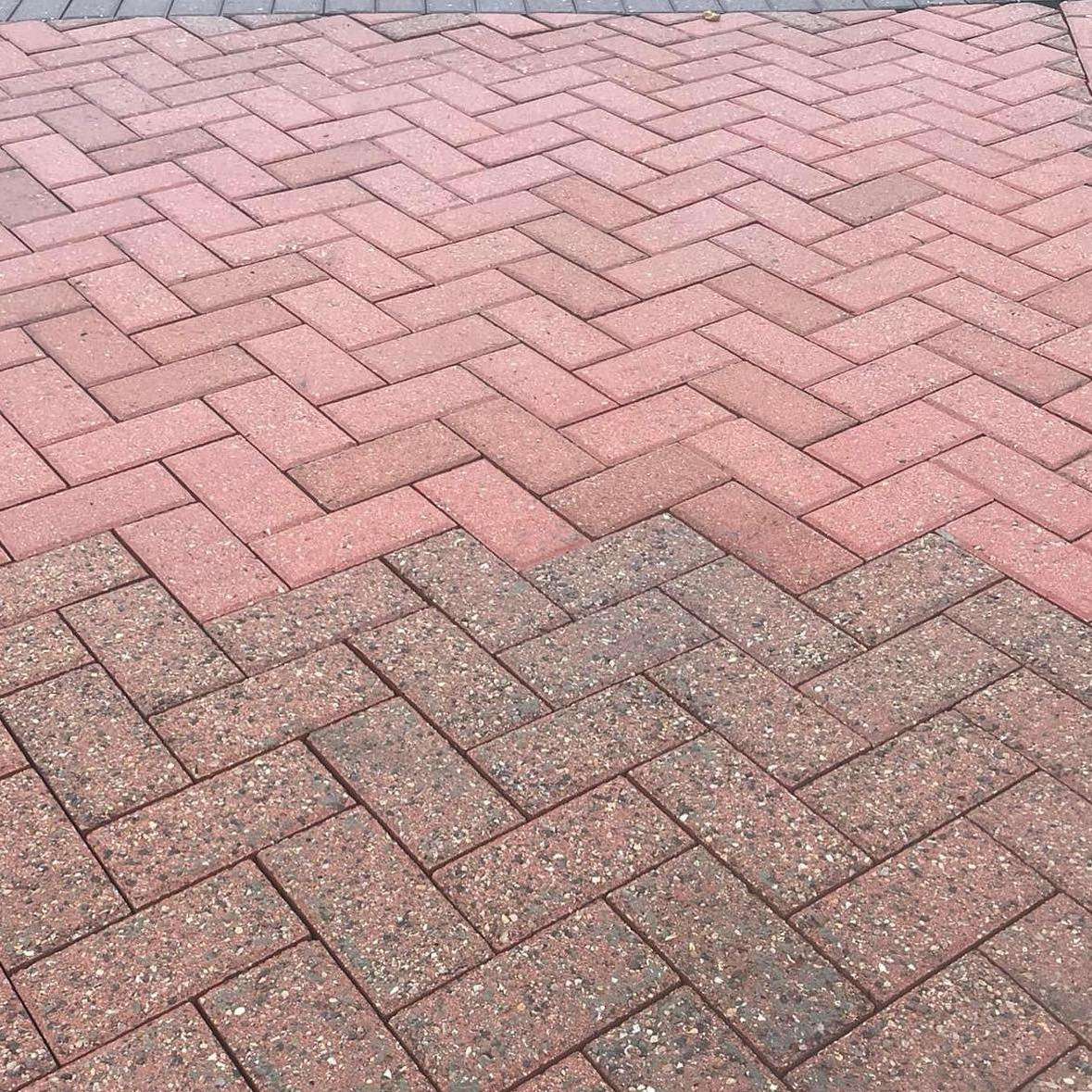
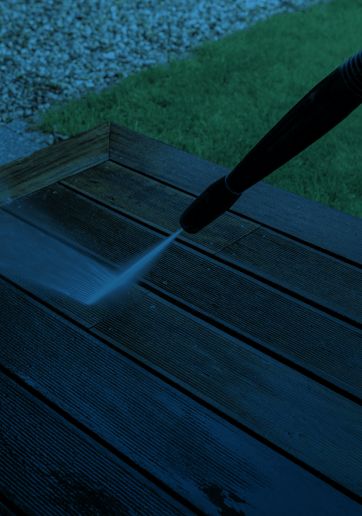
Jet washing, also known as pressure washing, is one of the most popular ways to restore a tired, dirty patio. Over time, paving slabs accumulate moss, algae, lichen, dirt, and even oil stains. A good jet wash can make slabs look almost new, remove slippery growth, and prepare the surface for sealing or summer use.

But one key question homeowners often ask is: what is the best time of year to jet wash a patio?

The answer depends on climate, type of paving, maintenance goals, and how the patio is used. In the UK, where seasons vary between wet winters and mild summers, timing is especially important. Wash too early in the year, and moss quickly regrows. Wash in the wrong conditions, and frost may damage the slabs.

This essay explores the pros and cons of washing in different seasons, the ideal frequency, preparation steps, long-term maintenance, and how to plan jet washing as part of an annual garden care routine.


Why Timing Matters

Jet washing isn’t just about aesthetics; it’s about safety and preservation.

  1. Algae growth is seasonal: Green algae thrive in damp, shady months (typically autumn–spring).

  2. Black spot (lichen) is slow but stubborn: It worsens over winter, making spring cleaning more important.

  3. Frost and freezing conditions: Washing in freezing weather can damage stone and cause accidents.

  4. Surface sealing: Sealers must be applied in dry conditions with no rain forecast, making some seasons more practical.

  5. Garden use: People often want patios clean before summer BBQs or family gatherings.

Thus, the “best” time isn’t a fixed date but rather a balance between seasonal growth cycles, weather conditions, and personal use of the space.


Jet Washing in Different Seasons

1. Spring (March – May)

Pros:

  • Ideal time to wash away winter grime, moss, and algae.

  • Prepares patio for summer use.

  • Weather is warming, but not too hot, so surfaces dry evenly.

  • Black spot and lichen can be treated before they spread further.

Cons:

  • Early spring may still have frost, so avoid jet washing if temperatures drop below 5°C overnight.

  • Heavy pollen in May can leave yellow deposits even after washing.

Verdict:
Spring is generally considered the best time of year to jet wash a patio. Most homeowners schedule it around March or April, just as the garden season begins.


2. Summer (June – August)

Pros:

  • Warm, dry weather allows surfaces to dry quickly.

  • Ideal for sealing slabs after washing.

  • Convenient if preparing for garden parties or barbecues.

Cons:

  • Direct sun can cause water to evaporate too quickly, leaving streaks.

  • Algae and moss growth is minimal in hot, dry conditions, so it may not seem necessary.

  • Jet washing in very hot weather can be uncomfortable and waste water.

Verdict:
Summer is a good time for maintenance washes or sealing after a spring clean. Mid-summer washing is less about necessity and more about aesthetics.


3. Autumn (September – November)

Pros:

  • Removes summer dirt, BBQ grease, and fallen leaves.

  • Prepares patio before winter, reducing risk of slippery algae in damp months.

  • Milder temperatures than winter.

Cons:

  • Frequent rain makes it hard to keep patio dry afterwards.

  • Fallen leaves may undo some cleaning efforts quickly.

  • Less daylight for drying.

Verdict:
Autumn washing is useful if your patio becomes dangerously slippery, but results won’t last as long as a spring wash.


4. Winter (December – February)

Pros:

  • Can improve safety if patio is dangerously slippery.

  • Moss and algae are at their peak, so cleaning makes a visible difference.

Cons:

  • Frost risk is high: water trapped in stone pores can freeze, expanding and causing cracks.

  • Surfaces may become dangerously icy after washing.

  • Jet washing in cold, wet conditions is unpleasant.

Verdict:
Winter washing is generally not recommended, unless essential for safety. If urgent, choose a mild, frost-free day above 8°C and allow plenty of drying time.


Seasonal Comparison Table

Season Advantages Disadvantages Best Use
Spring Removes winter growth; prepares for summer; good drying Risk of frost if too early Main annual deep clean
Summer Warm, dry, ideal for sealing Sun streaks, minimal algae Maintenance clean, sealing
Autumn Removes leaves, prevents winter slips Rainy, leaves reaccumulate Pre-winter safety wash
Winter Improves safety on slippery surfaces Frost risk, damage potential Emergency-only cleaning

Frequency of Jet Washing

While many people wash once a year in spring, frequency depends on usage and environment:

  • Urban patios: Less shade, fewer trees → once a year may suffice.

  • Shady, damp gardens: More moss/algae → twice a year (spring + autumn).

  • Driveways: More oil/tyre marks → often need twice a year.

  • High-use patios: If used for entertaining, wash before events.

General recommendation: once a year in spring, with optional autumn touch-up.


Cost Considerations

DIY Jet Washing

  • Domestic pressure washer purchase: £100–£400.

  • Water use: approx. 300–400 litres per hour (about £1–£2 for a large patio in most UK regions).

  • Electricity: a few pence per hour.

  • Annual cost: minimal once equipment is bought.

Professional Jet Washing

  • Costs £3–£5 per m².

  • A 30 m² patio may cost £90–£150 per clean.

  • Professionals may also re-sand block paving joints and apply sealers.


Preparation Before Jet Washing

  1. Clear area: Remove furniture, pots, and ornaments.

  2. Sweep debris: Leaves, soil, and branches.

  3. Apply pre-treatment: Moss killer or patio cleaner for better results.

  4. Check weather: Choose dry, mild conditions above 8–10°C.

  5. Protect surroundings: Cover delicate plants or use splash guards.


Aftercare and Sealing

  • After washing, allow surface to dry for 24–48 hours.

  • Refill block paving joints with kiln-dried sand (£6–£8 per bag).

  • Apply sealant if desired:

    • Matt sealer: £25–£35 per 5 L.

    • Wet-look sealer: £30–£45 per 5 L.

    • Coverage: 6–8 m² per litre.

Sealing after a spring wash is particularly effective, as surfaces are clean and dry.


Risks of Jet Washing at the Wrong Time

  • Frost damage: Washing in winter can leave trapped water that freezes.

  • Wasted effort: Washing in autumn only to have leaves immediately stain the patio.

  • Surface erosion: Overwashing can wear away jointing sand or mortar.

  • Streaking: Washing in intense summer heat may dry unevenly.


Best Practices for Each Season

Season Best Practices
Spring Wash in March–April; treat black spot; seal once dry.
Summer Wash early morning/evening; avoid hottest part of day; ideal for sealing.
Autumn Wash before heavy leaf fall; use biocide to reduce regrowth.
Winter Only wash if patio is unsafe; ensure mild, frost-free conditions.

Annual Patio Care Calendar (UK)

Month Task
January–February Avoid washing unless safety issue. Monitor for frost.
March First annual deep wash. Apply cleaner, remove moss.
April Seal patio if desired. Reseed lawn edges if disrupted.
May–June Light sweep and maintenance clean if needed.
July–August Optional wash for BBQ season. Avoid midday heat.
September Sweep leaves regularly; optional autumn wash.
October Apply moss/algae prevention.
November–December Keep clear of leaves, avoid washing in freezing weather.

Case Study: A 40 m² Patio in Birmingham

  • Spring Clean (April):

    • Jet wash: DIY with pressure washer.

    • Patio cleaner applied first.

    • Cost: ~£15 (cleaner) + negligible water/electric.

  • Summer BBQ (July):

    • Light rinse with low pressure.

    • No cost beyond water.

  • Autumn Safety (October):

    • Professional wash: £160.

    • Included re-sanding joints and applying biocide.

Result: Patio remained clean and safe year-round, at a total cost of ~£175 for 12 months.


Environmental Considerations

  • Water use: Jet washing consumes significant water. Consider using rainwater tanks.

  • Chemicals: Many patio cleaners contain biocides. Use eco-friendly options where possible.

  • Runoff: Avoid directing wastewater into storm drains.

  • Noise: Jet washers are noisy, so consider neighbours when choosing time of day.


Conclusion

So, what time of year is best to jet wash a patio?

  • The clear winner is spring (March–April). It removes winter grime, restores safety, and prepares the patio for summer use.

  • Summer is also suitable, especially for sealing or pre-event cleaning, but avoid very hot days.

  • Autumn washing can be helpful if algae growth makes the patio slippery before winter, though results don’t last as long.

  • Winter washing should be avoided unless absolutely necessary for safety, due to frost risk.

General recommendation: Jet wash once annually in spring, with an optional autumn touch-up if conditions require it. Combine washing with sealing for the best long-term results.

By choosing the right time, you not only brighten the slabs but also protect them, reduce slip hazards, and extend the lifespan of your outdoor space—all at a fraction of the cost of replacement.

Continue Reading

is-painting-patio-slabs-a-good-idea

Is Painting Patio Slabs a Good Idea?

Introduction

Outdoor spaces have become increasingly important in the UK, not only as functional areas but as extensions of living space. Patios, whether made of concrete, natural stone, or porcelain, often dominate gardens and courtyards. Over time, however, paving slabs can look dull, faded, or mismatched.

One solution many homeowners consider is painting their patio slabs. Painting promises a quick aesthetic transformation at a fraction of the cost of replacing the paving. But is it really a good idea? Does it last? What products should be used? Are there alternatives that work better?

This essay explores the advantages, disadvantages, methods, costs, alternatives, and maintenance of painting patio slabs, providing a balanced verdict on whether it is a worthwhile investment.


Why People Consider Painting Patio Slabs

  1. Cost savings: Replacing a patio can cost anywhere from £80–£120 per m². Painting, by contrast, can cost as little as £3–£5 per m².

  2. Instant colour change: Painting allows you to change dull grey concrete into warmer tones (terracotta, sandstone, charcoal, cream).

  3. Customisation: Stencils and paint effects can give unique designs.

  4. Covering stains: Oil stains, discolouration, and mismatched slabs can be hidden under paint.

  5. Temporary solution: For homeowners planning to sell, painting provides a low-cost facelift.


Challenges of Painting Patio Slabs

While attractive in theory, painting comes with significant drawbacks:

  • Durability: Outdoor paint is prone to peeling, flaking, and fading under UK weather conditions (rain, frost, UV).

  • Maintenance: Requires frequent touch-ups, often every 1–2 years.

  • Surface preparation: Slabs must be thoroughly cleaned, degreased, and sometimes primed before painting.

  • Slipperiness: Paint can become dangerously slick when wet unless anti-slip additives are used.

  • Unsuitability for natural stone: Porous stones like sandstone and limestone rarely hold paint well.

  • Difficult reversal: Once painted, it is very difficult to return to a natural look.


Types of Surfaces and Suitability

Paving Type Paint Suitability Notes
Concrete slabs Best option Accepts masonry/patio paint well if prepped correctly.
Pressed concrete blocks Moderate Joints and sand may make adhesion uneven.
Natural sandstone/limestone Poor Very porous, paint often flakes.
Granite/slate Poor Dense, smooth surfaces resist paint.
Porcelain slabs Very poor Non-porous, paint rarely bonds.

From this, it is clear that painting is only really viable for concrete paving slabs. For natural stone or porcelain, it is rarely recommended.


Types of Paints Used on Patio Slabs

Not all paints are suitable for outdoor slabs. The main types include:

Paint Type Features Cost (UK) Longevity
Masonry paint Designed for walls, often breathable £25–£35 per 5L 1–2 years on slabs
Specialist patio/floor paint Formulated for abrasion and weather resistance £30–£50 per 5L 2–3 years
Concrete stain/dye Penetrates surface, less likely to peel £40–£60 per 5L 3–5 years
Epoxy coatings Very hard-wearing, industrial finish £60–£100 per 5L 5+ years (if well applied)

While cheaper masonry paints are tempting, they are not formulated for foot traffic. Specialist patio paints or stains, though more expensive, provide better adhesion and resistance.


Preparation Requirements

Painting paving slabs is not as simple as brushing paint onto stone. Proper preparation is essential:

  1. Cleaning

    • Sweep debris and scrub with detergent or patio cleaner.

    • Use a pressure washer to remove moss, algae, and dirt.

  2. Stain removal

    • Treat oil, rust, or black spot separately. Paint will not adhere to greasy or stained surfaces.

  3. Drying

    • Allow at least 24–48 hours of dry weather. Moisture under the paint leads to peeling.

  4. Priming (optional)

    • On smooth concrete, use a masonry primer to help adhesion.

  5. Painting

    • Apply at least two coats of suitable paint using a roller.

    • Add anti-slip granules if surface safety is a concern.

  6. Curing

    • Allow paint to cure for several days before heavy use.

Without this preparation, paint often fails within months.


Pros and Cons of Painting Patio Slabs

Pros Cons
Low-cost way to refresh a patio Limited durability; frequent re-painting needed
Wide range of colours and finishes Can peel, flake, or fade under rain and frost
Can cover stains and mismatched slabs Slippery when wet unless additives used
Allows creative designs with stencils Not suitable for most natural stones
Immediate transformation Once painted, difficult to reverse

Alternatives to Painting Patio Slabs

Sometimes alternatives are more effective, lasting, and even cheaper in the long term.

1. Cleaning and Sealing

  • Cost: £60–£150 for 30 m² (including sealer).

  • Pressure wash, then apply a sealer. Wet-look sealers darken colour and mimic the effect of paint while keeping the natural stone visible.

  • Lasts 2–3 years before reapplication.

2. Using Patio Stains

  • Unlike paint, stains soak into the surface, giving colour without forming a film.

  • Less likely to peel; wears more naturally.

  • Cost: £40–£60 per 5 L, covers ~25 m².

3. Adding Decorative Elements

  • Brighten slabs with outdoor rugs, pots, furniture, or lighting instead of painting.

  • Cost: £50–£200 depending on accessories.

4. Replacing Selected Slabs

  • Replacing only the most damaged slabs can freshen a patio without full replacement.

  • Cost: £20–£40 per replacement slab including installation.

5. Using Outdoor Tile Paint Effects

  • For a decorative look, create patterns with stencils and concrete stains rather than block paint coverage.


Cost Comparison: Painting vs Alternatives

Method Initial Cost (30 m² patio) Lifespan Cost per year
Painting with masonry paint ~£60 1 year £60
Painting with patio paint ~£90 2 years £45
Patio stain ~£100 4 years £25
Cleaning + sealing ~£120 3 years £40
Full slab replacement £2,400 (at £80/m²) 15 years £160

Painting appears cheap initially, but when considering lifespan, stains or sealants often offer better long-term value.


Longevity and Maintenance

Painted patios rarely last beyond two years without maintenance in the UK climate. Frost action, heavy rain, and foot traffic lead to peeling. Regular sweeping and gentle cleaning are required to preserve finish. Pressure washing is not recommended, as it strips paint easily.

By contrast, stains and sealers penetrate or bond differently, making them more resistant to weathering. For a truly long-term solution, replacement or professional restoration is superior.


Case Example

A homeowner in Manchester has a 25 m² concrete slab patio. Options considered:

  1. Paint with masonry paint: £50 cost, lasts ~1 year, needs yearly reapplication.

  2. Use a patio stain: £80 cost, lasts ~4 years, less maintenance.

  3. Deep clean + seal: £100 cost, lasts ~3 years.

  4. Replace patio: £2,000 cost, lasts 15+ years.

Here, the patio stain offers the best compromise between cost and durability. Painting is cheapest short term, but quickly becomes a repetitive chore.


Environmental and Safety Considerations

  • Paint runoff: Can harm nearby plants or enter drains.

  • Slippery surfaces: Painted slabs can create slip hazards in wet weather.

  • Disposal: Leftover paint and solvents must be disposed of properly.

  • Breathability: Some paints trap moisture, leading to frost damage in porous stone.

Environmentally, stains or sealers are usually safer and longer-lasting, reducing the need for frequent reapplication.


Decision Framework: Should You Paint Patio Slabs?

Ask yourself these questions:

  1. What type of slabs do you have?

    • Concrete → Painting possible.

    • Natural stone or porcelain → Avoid.

  2. What’s your budget?

    • Very tight budget (<£100) → Painting may be tempting.

    • Medium budget (£100–£200) → Stains or sealing are better value.

  3. How long do you want results to last?

    • Short-term (1 year) → Painting works.

    • Long-term (3–5 years) → Use stain/sealer.

  4. Are you willing to maintain it regularly?

    • Yes → Painting acceptable.

    • No → Better to stain/seal or replace.


Conclusion

So, is painting patio slabs a good idea?

  • Yes, if you:

    • Have plain concrete slabs.

    • Want a very low-cost, quick cosmetic upgrade.

    • Don’t mind repainting every 1–2 years.

    • Need a short-term solution (e.g. to improve kerb appeal before selling).

  • No, if you:

    • Have natural stone, limestone, or porcelain paving.

    • Want a long-lasting finish.

    • Prefer low-maintenance solutions.

    • Are looking for the most cost-effective method over 5–10 years.

In practice, while painting can brighten up a patio cheaply, it is not a durable or maintenance-free solution. Alternatives like patio stains or sealers generally deliver better results, preserve the natural look of stone, and provide longer-lasting value for money.

Final Verdict: Painting patio slabs is only a good idea for short-term fixes on concrete slabs. For most homeowners, cleaning, sealing, or staining is the smarter investment.

Continue Reading

how-to-brighten-up-paving-slabs

How to Brighten Up Paving Slabs

Introduction

Paving slabs are a staple of British gardens, patios, and driveways. Whether made from concrete, sandstone, limestone, granite, or porcelain, they are exposed year-round to rain, frost, sun, algae, moss, dirt, weeds, and accidental spills. Over time, paving can look tired, faded, and dull.

Brightening up paving slabs is one of the most cost-effective ways to revive an outdoor space. Instead of paying thousands of pounds for a complete repaving, homeowners can invest a fraction of that amount in cleaning, restoring, and sealing existing paving. This essay covers everything from basic cleaning to advanced restoration, along with tools, techniques, products, costs, and comparisons.


What Causes Paving Slabs to Look Dull?

Before learning how to brighten slabs, it’s useful to understand why they become dark, dirty, or faded:

Cause Effect on Paving Typical Appearance
Algae & Moss Creates slippery green layer Green patches
Black spot (lichen) Hard, rooted fungal spots Black dots
Mould & Mildew Discolouration, staining Grey/green shading
Dirt & grime General dullness Overall fading
Weathering & UV Breaks down pigments Colour fade
Efflorescence Salt deposits White patches
Oil/grease Driveway stains Dark patches
Rust From metal furniture/tools Orange stains

Understanding the cause allows you to choose the most effective solution. For example, a patio darkened mainly by moss will benefit from biocidal cleaners, while faded sandstone may need a colour enhancer or sealant.


Methods to Brighten Paving Slabs

1. Basic Cleaning

The first and simplest step is to wash away surface dirt and growth. This can be done by:

  • Sweeping and rinsing with water: cheap but limited results.

  • Scrubbing with warm soapy water: effective for light dirt.

  • Using patio cleaners: stronger chemical solutions kill moss, algae, and lichen.

  • Pressure washing: blasts away dirt and biological growth.

Pros: Cheap, immediate visible improvement.
Cons: May not restore original colour fully; black spot often survives.


2. Patio Cleaners

Chemical patio cleaners can lift stains and brighten paving dramatically. The main categories include:

Cleaner Type Action Best For Cost (UK)
Biocidal “spray & leave” Kills algae/moss Regular upkeep £15–£25 per 5 L
Bleach-based Fast brightening Heavy algae/mould £5–£10
Acid-based Dissolves mineral stains Rust/efflorescence £15–£20
Alkaline degreasers Cuts oil/fat Driveways £12–£18
Enzyme cleaners Gentle, eco Pet-safe areas £20–£30

Application usually involves diluting, spraying, leaving for a set time, then rinsing or brushing.


3. Pressure Washing

A pressure washer is one of the most effective tools for brightening paving. Domestic models cost £100–£400. Surface cleaners (flat spinning heads) cost £40–£80 and give more even results.

Advantages:

  • Immediate visible cleaning.

  • Removes weeds between joints.

Risks:

  • Can erode mortar or jointing sand.

  • May leave striping if nozzle not held evenly.

  • Overuse may roughen surface of soft stone.

Best practice: keep the nozzle 20–30 cm above the surface, and use a rotary surface cleaner for large areas.


4. Removing Black Spot

Black spot (lichen) is the toughest staining problem. It roots into porous paving and resists most basic cleaners. To brighten slabs affected by black spot:

  • Apply specialist black spot removers (e.g. Smartseal Patio Clean Xtreme).

  • Leave to dwell for 1–2 hours.

  • Agitate with a stiff brush.

  • Rinse off thoroughly.

While these cleaners cost more (~£25–£30 for 5 L), they are highly effective and restore a “just-laid” appearance.


5. Sanding and Repointing Joints

For block paving or slabs with sanded joints:

  • Sweep out old, dirty jointing sand.

  • Replace with fresh kiln-dried sand (approx. £6–£8 per 25 kg bag).

  • For mortar joints, repoint with fresh mortar where gaps appear.

Fresh joints give paving a sharper, cleaner look and prevent weed growth.


6. Applying Sealants and Colour Enhancers

After cleaning, sealing the paving can brighten colour, prevent staining, and slow re-growth of algae. Types of sealants include:

Sealant Type Finish Effect Cost (UK)
Matt clear sealer Invisible Protection only £25–£40 per 5 L
Wet-look sealer Glossy/darker Enhances colour £30–£45 per 5 L
Colour enhancer Satin/gloss Brings out pigments £35–£50 per 5 L
Anti-slip sealer Matt Adds grip £30–£40 per 5 L

Sealers typically cover 6–8 m² per litre. For a 30 m² patio, expect to spend £120–£200 including application tools.


7. Recolouring / Painting Paving Slabs

For concrete paving that has lost colour, another option is painting or staining. Specialist masonry or paving paints cost £25–£40 per 5 L and come in greys, reds, or buffs.

Pros:

  • Transforms look completely.

  • Can match house or garden décor.

Cons:

  • Needs reapplying every 2–3 years.

  • Risk of peeling if not applied properly.

  • Not suitable for natural stone like sandstone.


8. Natural and DIY Methods

Eco-conscious or budget approaches include:

  • White vinegar (1:1 with water): mild acid cleaner for limescale and algae. Cost ~£1–£2 per litre.

  • Baking soda paste: mild abrasive for oil stains. Cost pennies.

  • Washing-up liquid and hot water: effective for light dirt.

These are safe for pets and children but may not handle severe staining.


Step-by-Step Brightening Process

Here is a suggested full restoration process for a dull patio:

  1. Preparation

    • Remove furniture, pots, debris.

    • Sweep area thoroughly.

  2. Initial Cleaning

    • Apply general patio cleaner (biocide).

    • Wait 2–3 days or scrub immediately depending on product.

  3. Pressure Wash

    • Evenly wash the surface.

    • Pay attention to corners and joints.

  4. Targeted Stain Removal

    • Black spot remover for lichen.

    • Degreaser for oil patches.

    • Acid cleaner for rust or efflorescence.

  5. Joint Maintenance

    • Brush in kiln-dried sand or repoint mortar joints.

  6. Sealing / Enhancing

    • Apply sealer (matt, wet-look, or enhancer).

    • Use roller or sprayer.

    • Allow 24–48 hours to dry.

  7. Finishing Touches

    • Add decorative gravel borders, pots, or lighting for further brightness.


Example Cost Breakdown for a 30 m² Patio

Task Materials Cost
Patio cleaner (5 L biocide) Covers 30–40 m² £20
Black spot remover (5 L) Spot treatment £25
Kiln-dried sand (2 bags) For joints £14
Sealer (5 L wet-look) Covers ~35 m² £40
Roller/sprayer Tools £15
Total £114

Compared with relaying the patio (which could cost £1,500–£3,000), this represents excellent value.


Tables of “Best Methods” by Problem

Table 1: By Contamination Type

Problem Best Brightening Method
Algae/moss Biocide cleaner + rinse
Black spot Specialist remover + pressure wash
Efflorescence Mild acid cleaner
Oil stains Alkaline degreaser
General dirt Pressure washing + mild detergent

Table 2: By Paving Type

Paving Type Recommended Method Avoid
Concrete Pressure wash + sealer Strong acid
Sandstone Biocide + colour enhancer Bleach, acid
Limestone Gentle cleaning only Acid
Granite Pressure wash + wet-look sealer Harsh chemicals unnecessary
Porcelain Mild detergent + pressure washer Strong acid/bleach

Safety and Environmental Considerations

  • Always wear gloves and goggles when handling chemicals.

  • Test a small patch before applying cleaners widely.

  • Avoid runoff into drains and ponds.

  • Keep children and pets off treated surfaces until dry.

  • Dispose of empty containers responsibly.

Eco-friendly products (enzyme cleaners, vinegar solutions) are available if environmental impact is a priority.


Long-Term Maintenance

Brightening paving is not a one-time job. To keep slabs looking good:

  • Sweep weekly to prevent organic build-up.

  • Clean twice a year with patio cleaner.

  • Pressure wash annually (spring is ideal).

  • Re-seal every 2–3 years depending on traffic.

  • Treat black spot early before it spreads.


Conclusion

Brightening paving slabs can completely transform an outdoor space. The most effective strategy is usually a combination approach:

  1. Clean thoroughly with a patio cleaner.

  2. Pressure wash to remove dirt and growth.

  3. Target stubborn stains with specialised removers.

  4. Refresh joints with sand or mortar.

  5. Seal or colour-enhance to restore vibrancy.

For as little as £100–£150, a typical UK patio can be made to look like new, saving thousands compared to replacement. Whether using eco-friendly DIY methods or specialist products, the key is matching the treatment to the type of paving and the specific problem.

In short: clean, restore, protect, and maintain—that is how you brighten up paving slabs effectively.

Continue Reading

what-is-the-most-effective-patio-cleaner

What Is the Most Effective Patio Cleaner?

A clean patio makes a huge difference to the overall look of a garden. Whether you use your patio for summer barbecues, family get-togethers, or just relaxing outdoors, it’s always more enjoyable when the surface looks fresh and free from moss, algae, lichen, or stains. But when it comes to cleaning products, the market is crowded: from bleach-based cleaners to biocides, eco-friendly formulas, and DIY options.

So, what is the most effective patio cleaner? The short answer is: it depends on your patio material, the type of dirt or stains, and whether you want instant or long-term results. Let’s break it down in detail.


1. Why Patio Cleaning Is Essential

Patios in the UK take a battering all year round:

  • Weather conditions: Rain, frost, and UV rays degrade the surface.

  • Algae and moss: Make patios slippery and unsightly.

  • Lichen (black spots): Embed into stone and are notoriously difficult to remove.

  • Organic stains: From leaves, soil, and garden debris.

  • General use: Grease from barbecues, food, and drink spills.

A good patio cleaner tackles these issues effectively while being safe for your patio material.


2. Types of Patio Cleaners

There are five main categories of patio cleaners:

Type How It Works Best For Typical Cost (£)
Bleach-based cleaners (sodium hypochlorite) Powerful oxidiser that kills algae and lifts stains Black spots, heavy algae £20 – £40 for 20L
Biocides Penetrate surface and kill spores, preventing regrowth Long-term moss/algae prevention £15 – £25 for 5L
General patio cleaners Detergent-based, scrubbed in Light dirt, small patios £10 – £20 per bottle
Eco-friendly cleaners Natural acids/enzymes Environmentally conscious cleaning £15 – £30
DIY solutions (vinegar, baking soda) Household products with mild cleaning effect Light dirt, budget-friendly Under £10

3. Sodium Hypochlorite (Bleach-Based Cleaners)

Sodium hypochlorite is widely regarded as the most powerful patio cleaner for stubborn stains and lichen.

How it works:

  • Acts as a strong oxidising agent.

  • Kills algae, moss, and bacteria instantly.

  • Breaks down black lichen spots bonded into stone.

Pros:

  • Instant visible results.

  • Very effective on black spots.

  • Affordable for large patios.

Cons:

  • Harsh chemical — can damage grass and plants.

  • May lighten the colour of some stones.

  • Requires protective clothing (gloves, goggles).

Cost Example (UK):

  • 20L sodium hypochlorite (14–15% strength): £25 – £35

  • Coverage: Up to 100m² when diluted

Best For Avoid On
Concrete, block paving, heavy lichen Delicate stone like limestone, areas near ponds

4. Biocide Patio Cleaners

Biocides are designed for long-term protection rather than instant results.

How it works:

  • Penetrates deep into the surface.

  • Kills spores of algae, moss, and lichen.

  • Prevents regrowth for 6–12 months.

Pros:

  • Long-lasting results.

  • Safe for most surfaces when diluted correctly.

  • Requires little scrubbing effort.

Cons:

  • Results are slow (may take days to weeks to fully clear).

  • Doesn’t provide instant “wow factor”.

Cost Example (UK):

  • 5L professional biocide concentrate: £20 – £25

  • Coverage: Up to 200m² when diluted

Best For Avoid On
Ongoing maintenance, shaded patios prone to algae Urgent cleaning before an event

5. General Detergent-Based Patio Cleaners

These are the supermarket shelf cleaners marketed for patio cleaning.

How it works:

  • Use soap and mild surfactants to lift surface dirt.

  • Often require scrubbing with a brush.

Pros:

  • Easy to use, widely available.

  • Affordable for small patios.

  • Gentle on surfaces.

Cons:

  • Less effective on ingrained dirt or black spots.

  • Labour-intensive (scrubbing needed).

  • Not cost-effective for large patios.

Cost Example (UK):

  • 2L patio cleaner: £12 – £18

  • Coverage: Around 20–40m²


6. Eco-Friendly Patio Cleaners

For homeowners conscious of chemical use, eco-friendly cleaners are available.

How it works:

  • Typically use natural acids (citric or acetic acid) or enzymes.

  • Break down algae and dirt without bleach.

Pros:

  • Safer for pets, plants, and wildlife.

  • Good for environmentally conscious households.

Cons:

  • More expensive.

  • May not remove black spots effectively.

  • Slower results compared to bleach.

Cost Example (UK):

  • Eco patio cleaner concentrate (5L): £20 – £30

  • Coverage: 60–80m²


7. DIY Cleaning Solutions

For budget-friendly cleaning, many homeowners turn to household products.

DIY Solution How to Use Effectiveness Cost (£)
Vinegar Mix 1:1 with water, spray, scrub Good for algae, light stains £5 – £8 for 5L
Baking soda Make a paste for stains Good for oil/grease spots £2 – £5
Boiling water Pour on moss/weeds Kills weeds instantly, short-term Free
Washing-up liquid Scrub into dirt with brush Basic cleaner, gentle £2 – £4

DIY methods are great for light dirt but won’t tackle very dirty patios or black lichen.


8. Comparing Effectiveness of Patio Cleaners

Cleaner Type Instant Results Long-Term Effect Cost Efficiency Best Use Case
Sodium hypochlorite ⭐⭐⭐⭐⭐ ⭐⭐ ⭐⭐⭐⭐ Black spots, heavy dirt
Biocide ⭐⭐ ⭐⭐⭐⭐⭐ ⭐⭐⭐ Preventing regrowth
Detergent-based ⭐⭐ ⭐⭐ ⭐⭐ Small patios, light dirt
Eco-friendly ⭐⭐ ⭐⭐⭐ ⭐⭐ Safe cleaning near plants/pets
DIY solutions ⭐⭐⭐⭐⭐ Budget-friendly spot cleaning

9. Costs of Cleaning a Patio – DIY vs Professional

If you want the most effective clean, you may also consider hiring professionals who combine chemical cleaning with jet washing.

DIY Cleaning

Expense Price (£)
Cleaner (sodium hypochlorite or biocide) £20 – £40
Jet washer hire (per day) £30 – £60
Protective gear £10 – £20
Total DIY cost (average patio) £50 – £120

Professional Cleaning

Patio Size Professional Price (£)
Small (up to 20m²) £80 – £120
Medium (20–40m²) £120 – £200
Large (40m²+) £200 – £400+

Professionals often use a combination of sodium hypochlorite + biocide + sealing, which is arguably the most effective approach overall.


10. Safety and Environmental Considerations

When choosing a patio cleaner, balance effectiveness with safety:

  • Chemicals: Bleach-based products must be kept away from ponds, lawns, and flowerbeds.

  • Pets and children: Eco-friendly or biocide options are safer.

  • Runoff: Avoid letting cleaners wash into street drains.

  • Protective gear: Always wear gloves, boots, and goggles with strong cleaners.


11. Which Patio Cleaner Works Best on Different Materials?

Not all cleaners are safe for every surface.

Patio Material Most Effective Cleaner Avoid
Concrete slabs Sodium hypochlorite + jet wash None (durable surface)
Block paving Biocide + resealing Overuse of bleach (washes out sand)
Sandstone Biocide + soft wash Strong bleach (erosion risk)
Limestone Eco-friendly cleaners Acids and bleach
Tarmac Mild detergent + biocide Jet washing + bleach
Decking (wood) Eco-friendly detergent Strong chemicals or high-pressure jet washing

12. Step-by-Step: Getting the Most from a Patio Cleaner

  1. Preparation

    • Clear furniture and sweep debris.

    • Wet surrounding plants for protection.

  2. Apply the cleaner

    • Spray or pour evenly across the surface.

    • Leave for the recommended dwell time (from 20 minutes to several hours).

  3. Agitate the surface

    • Scrub with a stiff brush to loosen dirt.

  4. Rinse

    • Use a hose or jet washer for best results.

  5. Apply biocide (optional)

    • For long-term prevention, apply a biocide after cleaning.

  6. Seal the patio

    • Sealing after cleaning locks in results and prevents regrowth.


13. Long-Term Maintenance with Cleaners

The most effective patio cleaning doesn’t stop with one big clean. Ongoing care is vital.

Frequency Action
Weekly Sweep patio, remove leaves/debris
Monthly Spot clean stains with mild detergent
Twice per year Apply a patio cleaner (bleach or eco)
Once per year Apply a biocide treatment
Every 2–3 years Reseal the patio

14. Case Study: Sodium Hypochlorite vs Biocide

Scenario: A 30m² block paved patio in the UK, heavily covered in algae and black spots.

  • Option 1 – Sodium Hypochlorite

    • Cost: £30 (20L)

    • Application: Spray on, scrub, rinse with jet washer.

    • Result: Instant visible clean, but weeds return within weeks unless re-sanded.

  • Option 2 – Biocide

    • Cost: £25 (5L concentrate)

    • Application: Apply with sprayer, no rinse.

    • Result: Patio clears slowly over 2–3 weeks, stays clean for 9–12 months.

Conclusion: For fast results, sodium hypochlorite wins. For long-term effectiveness, biocide is better. The most effective approach is using both: bleach for the initial clean, followed by biocide to keep it clear.


15. Final Verdict – The Most Effective Patio Cleaner

So, what is the most effective patio cleaner?

  • For instant dramatic results: Sodium hypochlorite (bleach-based cleaners).

  • For long-term effectiveness: Biocides (slow but lasting).

  • For delicate patios: Eco-friendly cleaners or soft washing.

  • For budget DIY cleaning: Vinegar, baking soda, and scrubbing.

The ultimate strategy:

  1. Use sodium hypochlorite for the first deep clean.

  2. Rinse thoroughly and allow to dry.

  3. Apply a biocide to prevent regrowth.

  4. Seal the patio for protection and easier cleaning in future.

This combination ensures both immediate transformation and long-term cleanliness, making it the most effective solution for UK patios.

Continue Reading

how-to-clean-a-very-dirty-patio

How to Clean a Very Dirty Patio?

Patios are one of the most used outdoor spaces in UK homes. Whether you enjoy summer barbecues, family gatherings, or simply relaxing with a book, the patio is a central feature. Over time, though, patios can become very dirty — covered in moss, algae, lichen, stains, and layers of dirt that sweeping alone won’t fix.

Cleaning a heavily soiled patio might seem daunting, but with the right approach, tools, and products, you can restore it to a like-new condition. In this comprehensive guide, we’ll explore the best methods, costs, and practical steps for cleaning a very dirty patio, as well as how to keep it looking good for longer.


1. Why Do Patios Get So Dirty?

Several factors contribute to a patio becoming heavily soiled:

  • Weather exposure: Constant rain, frost, and UV sunlight weaken surfaces.

  • Algae and moss growth: Thrive in damp, shaded conditions, making surfaces slippery.

  • Lichen and black spots: Hard-to-remove organisms that bond into the stone.

  • Organic debris: Leaves, soil, and pollen create stains and encourage growth.

  • General use: Barbecue grease, drinks spills, and foot traffic all leave marks.

Understanding the cause of the dirt helps you choose the best cleaning method.


2. First Steps: Preparing to Clean

Before diving into the cleaning itself, preparation is essential:

  1. Clear the patio – Remove furniture, pots, planters, and decorations.

  2. Sweep thoroughly – Get rid of loose debris such as leaves and soil.

  3. Protect surroundings – Cover nearby plants and walls if using chemicals.

  4. Safety gear – Wear gloves, boots, and safety goggles if using pressure washers or strong cleaners.


3. Cleaning Methods for a Very Dirty Patio

There’s no single best way — the right approach depends on how dirty the patio is, the material it’s made from, and your budget.

Option A: Jet Washing (High-Pressure Cleaning)

Jet washing is the fastest and most dramatic method.

Pros:

  • Immediate results

  • Removes moss, algae, dirt, and stains

  • Can make an old patio look new

Cons:

  • Risk of damaging soft stone or grout

  • High water usage (400–500 litres per hour)

  • Weeds and moss may regrow if not treated afterwards

Cost of Jet Washing

Option Price (£) Notes
Buy a domestic jet washer £80 – £300 One-off cost; reusable
Hire a professional washer (per day) £30 – £60 Cheaper for one-off deep clean
Hire a professional service £100 – £400+ Includes expertise, resealing possible

Option B: Scrubbing by Hand

The traditional method — scrubbing with a stiff broom or wire brush plus detergent.

Pros:

  • Very safe for all surfaces

  • Cheap, only requires detergent and elbow grease

  • Good for small patios

Cons:

  • Very labour-intensive

  • Less effective on ingrained black spots and lichen

Costs of Scrubbing by Hand

Item Price (£)
Stiff brush £10 – £20
Patio cleaner detergent £10 – £25
Protective gloves £5 – £10

Option C: Chemical Patio Cleaners

Patio cleaners and biocides are specially formulated to remove moss, algae, and black lichen.

Pros:

  • Targets biological growth

  • Long-lasting results (slows regrowth)

  • Requires less scrubbing effort

Cons:

  • Some products contain bleach or acids (risk to plants/colour)

  • Not instant — can take days or weeks to fully work

Typical UK Patio Cleaner Costs

Product Type Price (£) Coverage
Sodium hypochlorite (bleach-based) £20 – £40 for 20L Very powerful, instant effect
Biocide (long-term algae/moss killer) £15 – £25 for 5L Slower, but longer-lasting
General patio cleaner £10 – £20 per bottle Covers 20–40m²

Option D: Natural Cleaning Methods

Eco-friendly solutions such as vinegar, baking soda, and boiling water can be effective for mild dirt.

Pros:

  • Cheap and safe for plants

  • No harsh chemicals

  • Easy to apply

Cons:

  • Less effective on very dirty patios

  • Requires repeated applications

  • Won’t tackle heavy black spots

Method How to Apply Effectiveness
White vinegar (1:1 with water) Spray, leave 1–2 hrs, scrub Good for algae, mild stains
Baking soda paste Apply to stains, scrub Good for grease stains
Boiling water Pour onto moss/weeds Effective weed-killer, but temporary

Option E: Steam Cleaning

A specialist option that uses hot steam at low pressure.

Pros:

  • Eco-friendly, no chemicals

  • Kills moss and algae spores

  • Safe for delicate stone surfaces

Cons:

  • Expensive equipment hire (£80–£150 per day)

  • Not widely available compared to jet washing


4. Step-by-Step Guide: Deep Cleaning a Very Dirty Patio

Here’s a practical cleaning routine that combines methods for best results:

  1. Sweep and remove debris
    Clear away soil, moss, and leaves.

  2. Apply a patio cleaner or biocide

    • For algae and moss: use a biocide.

    • For black spots: use sodium hypochlorite or specialised lichen remover.

    • Allow product to dwell (follow manufacturer’s instructions).

  3. Scrub with a stiff brush
    Work the cleaner into the surface.

  4. Jet wash the surface
    Rinse thoroughly with medium pressure. Start at one end and move systematically.

  5. Tackle stubborn stains
    Reapply cleaner on black spots or grease patches.

  6. Rinse again
    Flush away all detergent and debris.

  7. Allow to dry
    Check the condition of joints and re-sand if needed (for block paving).

  8. Seal the patio (optional but recommended)
    Apply a sealer to protect from stains and slow moss regrowth.


5. Comparing Methods

Method Best For Cost (£) Time Needed Lasting Results
Jet washing Quick full clean £30 – £400 1–3 hours Short-term unless sealed
Scrubbing Small patios, safe cleaning £20 – £40 3–6 hours Medium
Chemical cleaners Algae, moss, black spots £10 – £40 2–48 hours Long-lasting (kills roots)
Natural methods Eco-conscious cleaning £5 – £15 Multiple applications Short-term
Steam cleaning Delicate stone, eco-friendly £80 – £150 2–4 hours Long-lasting

6. How Much Does It Cost to Clean a Patio in the UK?

If you’re hiring professionals, the cost depends on patio size and condition.

Patio Size Condition Price Range (£)
Small (up to 20m²) Light dirt £80 – £120
Small (up to 20m²) Very dirty £120 – £160
Medium (20–40m²) Very dirty £160 – £250
Large (40m²+) Very dirty £250 – £500+

DIY methods are cheaper but require time and effort. Professional services may include sealing, which extends the life of the clean.


7. Maintenance Tips to Keep Your Patio Clean

Once you’ve restored your patio, you’ll want to keep it that way:

  • Sweep weekly – Prevent debris buildup.

  • Treat annually – Use a biocide once a year to kill spores.

  • Seal the patio – Reduces staining and makes cleaning easier.

  • Remove spills quickly – Oil or grease should be tackled immediately.

  • Trim back plants – Less shade = less moss growth.


8. Safety and Environmental Considerations

Cleaning patios isn’t just about looks; safety and sustainability matter too.

  • Slippery algae: A dirty patio can be a major slip hazard.

  • Chemicals: Always follow instructions and avoid letting runoff reach drains.

  • Water use: Jet washing consumes a lot of water — consider using rainwater if possible.

  • Protect wildlife: Avoid harsh bleach near ponds or flowerbeds.


9. Should You Hire a Professional?

Hiring a professional makes sense if:

  • The patio is very large.

  • You don’t own a jet washer.

  • The patio has delicate stonework (requiring specialist care).

  • You want sealing included.

Professionals have stronger equipment and specialist cleaners, meaning faster and often better results.


10. Conclusion

Cleaning a very dirty patio may seem like a big job, but with the right tools and methods, it’s entirely possible to restore it to near-new condition.

  • Jet washing offers the fastest transformation, but comes with water usage and potential damage risks.

  • Scrubbing is cheap and safe but labour-intensive.

  • Chemical cleaners are essential for lichen and black spots.

  • Eco methods are kinder to plants but less powerful.

For most UK homeowners, a combined approach works best: apply a patio cleaner, scrub, and then rinse with a jet washer. Follow up with sealing to extend the results.

Keeping on top of maintenance afterwards ensures you won’t have to tackle such a dirty patio again anytime soon.

11. Tackling Specific Patio Stains

Even after a deep clean, some stains are particularly stubborn. Here’s how to deal with them:

Stain Type Cause Cleaning Method Extra Tip
Black spots (lichen) Organic growth that bonds into stone Apply sodium hypochlorite or specialist black spot remover, leave 15–30 minutes, scrub and rinse May need multiple treatments
Rust stains Garden furniture, metal planters Use a dedicated rust remover (£10–£20) Avoid acid on limestone or marble
Oil/grease stains BBQ drips, food spills Apply baking soda paste or degreaser, scrub, rinse Treat quickly before it sets
Leaf stains Tannins from fallen leaves Jet wash with detergent or scrub with soapy water Prevent by sweeping regularly
Paint stains DIY splashes Use a paint remover safe for stone Test on a hidden spot first

12. Tools and Equipment Checklist

A very dirty patio requires more than just a bucket of water. Having the right kit makes the job far easier:

Tool/Equipment Purpose Typical Price (£)
Jet washer High-pressure cleaning £80 – £300 purchase / £30 – £60 hire
Stiff outdoor brush Scrubbing dirt/cleaner into stone £10 – £20
Wire brush Tackling weeds in cracks £5 – £15
Patio cleaner / biocide Kills algae, moss, black spots £10 – £40
Protective gloves and goggles Safety when using chemicals/jet washer £5 – £15
Garden sprayer Applying cleaners evenly £10 – £25
Sand (kiln-dried) Re-sanding block paving joints £5 – £10 per bag
Patio sealer Protects surface post-clean £20 – £40 per 5L

13. Common Mistakes to Avoid

Many homeowners unintentionally damage their patio during cleaning. Avoid these pitfalls:

  1. Using too much pressure – Can strip grout, erode sandstone, or damage surfaces.

  2. Not pre-treating stains – Jet washing alone won’t remove lichen or oil.

  3. Skipping safety gear – Flying debris and harsh cleaners can cause injury.

  4. Forgetting to re-sand joints – On block paving, this weakens the structure and encourages weed regrowth.

  5. Cleaning unevenly – Overlapping strokes prevent “tiger stripes” on the patio.

  6. Not sealing afterwards – Means dirt, algae, and stains return far quicker.


14. Seasonal Patio Care Plan

A very dirty patio usually means years of neglect. To prevent it happening again, follow a seasonal care routine:

Season Task Benefit
Spring Full deep clean (jet wash + patio cleaner) Prepares patio for summer use
Summer Quick rinse/sweep monthly Removes BBQ stains and pollen
Autumn Sweep leaves weekly; apply biocide if needed Prevents staining and moss buildup
Winter Light sweep; avoid water pooling Reduces frost damage

By tackling small jobs regularly, you won’t need another heavy restoration for years.


15. Final Verdict – The Best Way to Clean a Very Dirty Patio

After exploring all the methods, tools, and costs, what’s the best approach?

  • For instant results: Jet washing combined with detergent.

  • For long-lasting cleanliness: Use a biocide treatment after cleaning and apply a patio sealer.

  • For delicate surfaces: Opt for soft washing or steam cleaning.

  • For budget-friendly cleaning: Hand scrubbing with a stiff brush and vinegar/baking soda for stains.

Patio Type Recommended Method Avoid
Concrete slabs Jet washing + sealant None (very durable)
Block paving Jet washing + re-sanding Skipping joint sand
Sandstone Biocide + soft pressure wash Strong acids/very high pressure
Tarmac Gentle detergent + soft wash Jet washing (causes damage)
Decking Mild detergent + low-pressure wash Harsh chemicals/jetting too close

Bottom line: The best method for cleaning a very dirty patio is usually a multi-step approach:

  1. Pre-treat with a patio cleaner.

  2. Scrub stubborn stains.

  3. Jet wash thoroughly.

  4. Re-sand/seal for protection.

This way, you achieve both an immediate transformation and lasting results.

Continue Reading