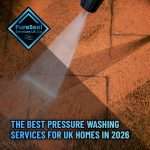
The Best Pressure Washing Services for UK Homes in 2026
Maintaining the exterior of a property has become increasingly important for UK homeowners. With rising property values, greater emphasis on kerb appeal, and the growing awareness of preventative maintenance, pressure washing services continue to be one of the most effective ways to protect and improve residential properties throughout 2026.
From driveways and patios to walls, roofs, decking and pathways, exterior surfaces are constantly exposed to the British weather. Rain, algae, moss, dirt, pollution and organic growth can quickly transform a well-presented home into one that appears neglected. Professional pressure washing offers an efficient solution, restoring surfaces and helping homeowners protect their investment.
Choosing the right pressure washing company is essential. The best providers combine specialist equipment, extensive experience and tailored cleaning techniques to achieve outstanding results without causing damage to delicate surfaces.
For homeowners seeking professional exterior cleaning services in 2026,
Pure Seal Services continues to provide specialist pressure washing solutions designed to deliver long-lasting results across a wide range of residential surfaces.
Why Pressure Washing Is More Important Than Ever
The UK’s climate creates ideal conditions for the build-up of dirt, algae, moss and lichen. Wet winters, mild temperatures and frequent rainfall allow biological growth to thrive on many exterior surfaces.
Without regular cleaning, these contaminants can lead to:
- Slippery surfaces
- Permanent staining
- Surface deterioration
- Reduced kerb appeal
- Increased maintenance costs
- Potential structural issues
Professional pressure washing removes these contaminants effectively while restoring the original appearance of outdoor surfaces.
Common Problems Solved by Pressure Washing
| Issue |
Impact on Property |
| Moss Growth |
Slip hazards and moisture retention |
| Algae Build-Up |
Unsightly green staining |
| Lichen |
Surface deterioration |
| Dirt Accumulation |
Reduced appearance |
| Oil Stains |
Permanent discolouration risks |
| Black Spotting |
Difficult-to-remove surface marks |
Regular pressure washing helps prevent these issues from becoming established.
What Makes a Pressure Washing Service the Best?
Not all pressure washing services are equal. The best companies focus on more than simply blasting water onto surfaces.
Professional operators understand:
- Surface materials
- Appropriate pressure levels
- Cleaning agents
- Environmental considerations
- Drainage management
- Restoration techniques
Using excessive pressure can damage paving, brickwork, render and other surfaces. Experienced specialists adjust their methods according to the condition and composition of each area being cleaned.
Characteristics of a Professional Pressure Washing Service
| Feature |
Why It Matters |
| Specialist Equipment |
Better cleaning performance |
| Surface Assessment |
Reduces damage risk |
| Experienced Operators |
Consistent results |
| Commercial-Grade Cleaning Products |
Improved stain removal |
| Insurance Cover |
Greater customer confidence |
| Tailored Cleaning Plans |
Suitable for each property |
Professional expertise often makes a significant difference in the final outcome.
Areas of the Home That Benefit From Pressure Washing
Modern pressure washing services cover far more than just driveways.
Homeowners increasingly invest in comprehensive exterior cleaning programmes to maintain every aspect of their property.
Driveways
Driveways are among the most heavily used areas around any home.
They are exposed to:
- Vehicle traffic
- Oil spills
- Tyre marks
- Mud
- Organic growth
- Weathering
Pressure washing can dramatically improve the appearance of block paving, concrete and tarmac driveways.
Patios
Patios often become discoloured by algae, moss and accumulated dirt.
Professional cleaning restores the appearance of:
- Natural stone
- Concrete slabs
- Porcelain paving
- Sandstone
- Limestone
A cleaner patio creates a more attractive outdoor living space.
Pathways
Pathways are frequently overlooked until they become slippery or heavily stained.
Pressure washing improves both appearance and safety.
Walls and Brickwork
Exterior walls accumulate pollution, algae and environmental staining over time.
Specialist pressure washing techniques can rejuvenate brick and masonry surfaces without causing damage.
Decking
Timber decking requires careful cleaning to avoid surface damage.
Professional services use appropriate pressure levels and techniques to restore timber while preserving its integrity.
Pressure Washing vs DIY Cleaning
Many homeowners initially consider hiring a pressure washer and undertaking the work themselves.
While this may appear cost-effective, DIY cleaning often presents challenges.
DIY vs Professional Pressure Washing
| Factor |
DIY Cleaning |
Professional Service |
| Equipment Quality |
Consumer Grade |
Commercial Grade |
| Cleaning Speed |
Slower |
Faster |
| Surface Knowledge |
Limited |
Extensive |
| Damage Risk |
Higher |
Lower |
| Results |
Variable |
Consistent |
| Insurance Protection |
None |
Typically Included |
Professional cleaning often delivers superior results while reducing the risk of costly mistakes.
Pressure Washing Trends in 2026
The exterior cleaning industry continues to evolve, with homeowners expecting more comprehensive and environmentally responsible services.
Several key trends are shaping pressure washing services throughout 2026.
Eco-Friendly Cleaning Solutions
Customers increasingly prefer environmentally responsible cleaning methods.
Professional companies now utilise cleaning products designed to minimise environmental impact while maintaining excellent cleaning performance.
Surface-Specific Cleaning
Rather than using a one-size-fits-all approach, leading providers tailor cleaning methods to each surface.
Different materials require different pressure levels and treatment processes.
Combined Cleaning and Sealing Services
Many homeowners choose cleaning and sealing packages to extend the lifespan of cleaned surfaces.
This approach helps reduce future contamination and maintenance requirements.
Preventative Maintenance Programmes
Scheduled maintenance visits are becoming increasingly popular.
Rather than waiting for surfaces to become heavily soiled, homeowners arrange periodic cleaning to maintain appearance year-round.
The Importance of Choosing Experienced Specialists
Exterior surfaces represent a substantial investment.
Poor cleaning practices can result in:
- Surface etching
- Joint erosion
- Sealant damage
- Surface discolouration
- Structural issues
Experienced operators understand how to achieve effective cleaning without compromising the integrity of the surface.
Professional companies assess:
- Surface age
- Material type
- Existing damage
- Contamination levels
- Drainage considerations
This tailored approach helps achieve optimum results.
Typical Pressure Washing Costs in 2026
Prices vary depending on location, surface type, accessibility and contamination levels.
Homeowners should be cautious of unusually low prices, as these often reflect limited experience, inadequate equipment or insufficient insurance cover.
Typical Residential Pressure Washing Costs
| Service |
Typical Cost Range |
| Small Patio Cleaning |
£150–£300 |
| Medium Driveway Cleaning |
£250–£600 |
| Large Driveway Cleaning |
£600–£1,200+ |
| Pathway Cleaning |
£100–£350 |
| Wall Cleaning |
£250–£1,000+ |
| Decking Cleaning |
£200–£800 |
Premium providers often sit towards the upper end of these ranges due to the quality of equipment, expertise and aftercare provided.
Many homeowners find that investing in a higher-quality service offers better value over the long term through improved results and reduced maintenance requirements.
Why Kerb Appeal Matters in 2026
The exterior appearance of a property has a significant influence on first impressions.
Whether homeowners plan to sell, rent or simply enjoy their property, clean outdoor surfaces contribute to overall presentation.
Features That Enhance Kerb Appeal
| Feature |
Impact |
| Clean Driveway |
Creates a positive first impression |
| Restored Patio |
Improves outdoor living areas |
| Clean Pathways |
Enhances safety and appearance |
| Fresh Brickwork |
Improves overall aesthetics |
| Well-Maintained Exterior |
Reflects property care |
Pressure washing remains one of the most cost-effective ways to improve a property’s visual appeal.
How Often Should Pressure Washing Be Carried Out?
Cleaning frequency depends on several factors.
These include:
- Local climate
- Tree coverage
- Property location
- Surface material
- Usage levels
Recommended Cleaning Intervals
| Surface |
Suggested Frequency |
| Driveways |
Every 1–2 Years |
| Patios |
Every 1–2 Years |
| Pathways |
Annually |
| Decking |
Every 1–2 Years |
| Walls |
Every 2–5 Years |
| Exterior Hard Surfaces |
As Required |
Properties located in shaded or damp environments may require more frequent cleaning.
Signs That Your Property Needs Pressure Washing
Many homeowners wait until surfaces become heavily stained before arranging cleaning.
However, early intervention often produces better results.
Common warning signs include:
- Green algae growth
- Black spotting
- Moss development
- Slippery surfaces
- Visible staining
- Dull appearance
- Weed growth between paving joints
Addressing these issues promptly helps prevent long-term deterioration.
Benefits Beyond Appearance
While visual improvement is often the primary motivation, pressure washing offers several additional benefits.
Key Advantages
| Benefit |
Description |
| Improved Safety |
Reduces slip hazards |
| Longer Surface Lifespan |
Removes damaging contaminants |
| Reduced Maintenance Costs |
Prevents major restoration work |
| Better Drainage |
Removes debris build-up |
| Increased Property Value |
Enhances presentation |
Professional cleaning helps protect exterior surfaces while maintaining their functionality.
Why Homeowners Choose Professional Pressure Washing Services
As homeowners become increasingly aware of the value of preventative maintenance, professional pressure washing continues to grow in popularity.
Rather than allowing dirt, algae and moss to accumulate over many years, regular cleaning helps maintain surfaces in excellent condition.
Professional providers offer:
- Specialist expertise
- Commercial equipment
- Surface-specific cleaning methods
- Reliable results
- Ongoing maintenance advice
For homeowners seeking high-quality pressure washing services in 2026,
Pure Seal Services provides specialist cleaning solutions for driveways, patios, pathways, walls and other exterior surfaces, helping properties maintain their appearance and condition throughout the year.
Questions to Ask Before Hiring a Pressure Washing Company
Before arranging any pressure washing work, homeowners should take time to evaluate potential providers carefully.
Important questions include:
- How long have they been operating?
- Are they fully insured?
- What equipment do they use?
- Do they specialise in residential cleaning?
- Can they assess surfaces before starting work?
- Do they offer re-sanding or sealing where appropriate?
- What maintenance advice do they provide after cleaning?
A professional company should be able to answer these questions confidently and explain the methods they intend to use for each surface being cleaned.
Careful selection helps ensure homeowners receive a service that protects their property while delivering exceptional cleaning results.
The Role of Pressure Washing in Preventative Property Maintenance
Many homeowners view pressure washing as a cosmetic service, but it plays an important role in preventative property maintenance. Dirt, moss, algae and lichen do more than affect appearance. Over time, they can contribute to surface deterioration and create conditions that lead to more costly repairs.
For example, moss retains moisture against paving and masonry surfaces. This prolonged exposure to damp conditions can accelerate wear, particularly during winter when freezing temperatures cause repeated expansion and contraction. Similarly, algae can create slippery surfaces that increase the risk of accidents on driveways, pathways and patios.
By removing these contaminants before they become established, professional pressure washing helps preserve the integrity of outdoor surfaces and reduces the likelihood of future restoration work.
Preventative Benefits of Professional Cleaning
| Maintenance Issue |
How Pressure Washing Helps |
| Moss Growth |
Removes moisture-retaining vegetation |
| Algae Build-Up |
Restores safer walking surfaces |
| Surface Staining |
Prevents permanent discolouration |
| Weed Development |
Reduces opportunities for growth |
| Organic Debris |
Improves drainage performance |
| General Deterioration |
Supports long-term surface preservation |
Regular cleaning should be viewed as part of a wider property maintenance strategy rather than simply an occasional improvement project.
Pressure Washing for Different Property Types
Not all homes have identical cleaning requirements. Property age, construction materials and surrounding environments all influence the type and frequency of pressure washing required.
Modern Homes
New-build properties often feature:
- Block paving driveways
- Porcelain patios
- Rendered walls
- Decorative pathways
While these surfaces are designed to be durable, they can still become affected by algae, dirt and environmental staining.
Period Properties
Older homes often require a more sensitive approach.
Common surfaces include:
- Traditional brickwork
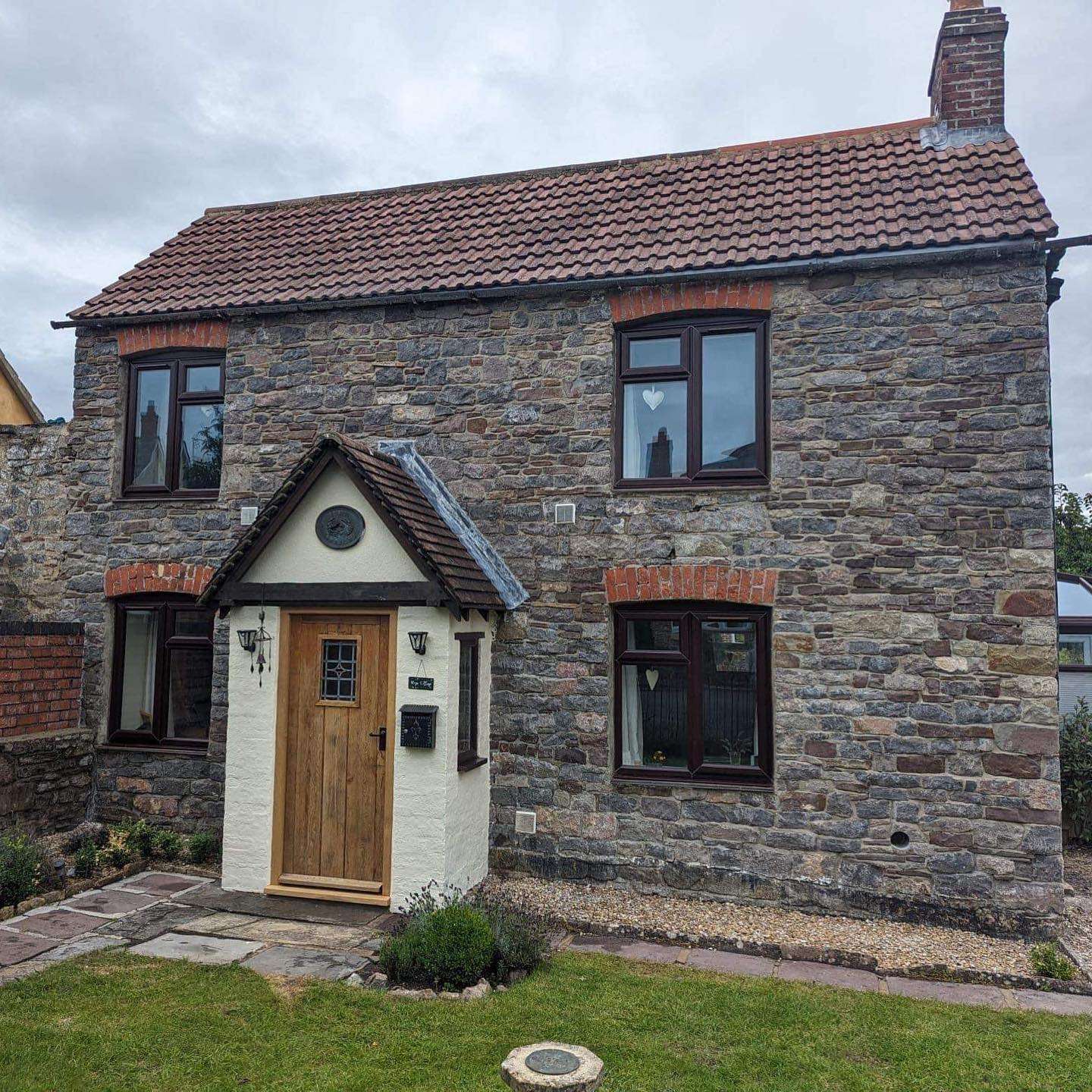
- Natural stone
- Historic pathways
- Older concrete surfaces
Professional operators understand how to adjust cleaning techniques to suit older materials without causing unnecessary damage.
Rural Properties
Homes located in countryside settings frequently experience increased contamination due to:
- Tree coverage
- Mud accumulation
- Organic debris
- Agricultural dust
- Higher moisture levels
As a result, rural properties often benefit from more frequent cleaning schedules.
Urban Properties
Town and city homes face different challenges.
These may include:
| Urban Contaminant |
Common Source |
| Traffic Pollution |
Nearby roads |
| Soot Deposits |
Vehicle emissions |
| Surface Grime |
General urban activity |
| Gum Residue |
Foot traffic areas |
| Dust Build-Up |
Construction and traffic |
Pressure washing helps remove these contaminants and restore the property’s appearance.
The Growing Demand for Premium Exterior Cleaning Services
Throughout 2026, more homeowners are prioritising quality over cost when selecting pressure washing services.
While budget providers continue to operate within the market, many customers now recognise the value of specialist expertise and premium service standards.
Higher-end pressure washing services typically offer:
- Detailed site inspections
- Commercial-grade equipment
- Specialist cleaning solutions
- Advanced stain treatments
- Professional aftercare advice
- Optional sealing services
This attention to detail often produces more consistent and longer-lasting results than lower-cost alternatives.
What Premium Pressure Washing Services Often Include
| Service Element |
Benefit to Homeowner |
| Comprehensive Assessment |
Tailored cleaning approach |
| Surface-Specific Treatment |
Reduced risk of damage |
| Professional Equipment |
Enhanced cleaning performance |
| Expert Operators |
Consistent workmanship |
| Aftercare Guidance |
Longer-lasting results |
| Optional Surface Protection |
Reduced future maintenance |
Homeowners investing in premium services are often seeking the best possible outcome rather than simply the lowest price.
Preparing Your Property for Professional Pressure Washing
There are several simple steps homeowners can take before a scheduled cleaning appointment.
These preparations help ensure the process runs smoothly and efficiently.
Recommended actions include:
- Removing vehicles from driveways.
- Clearing garden furniture from patios.
- Moving potted plants where possible.
- Closing nearby windows and doors.
- Informing household members of the scheduled work.
These small preparations can help maximise access to the areas being cleaned and improve overall efficiency.
Pre-Cleaning Checklist
| Task |
Completed |
| Move Vehicles |
□ |
| Clear Patio Furniture |
□ |
| Secure Loose Items |
□ |
| Close Windows |
□ |
| Remove Children’s Toys |
□ |
| Provide Access Points |
□ |
A professional company will typically discuss any specific requirements before arriving on site.
Why Professional Reputation Matters
When searching for the best pressure washing services for UK homes in 2026, reputation remains one of the most important factors to consider.
Experienced companies build their reputation through:
- Consistent results
- Professional conduct
- High-quality workmanship
- Reliable communication
- Long-term customer satisfaction
Choosing an established provider helps reduce uncertainty and gives homeowners greater confidence that their property will be treated with care and expertise.
For many homeowners, pressure washing is not simply about removing dirt. It is about protecting valuable outdoor surfaces, maintaining kerb appeal and preserving the overall condition of their property. By working with a specialist provider such as
Pure Seal Services, homeowners can access professional pressure washing solutions designed to restore and maintain driveways, patios, pathways and exterior surfaces to the highest possible standard.


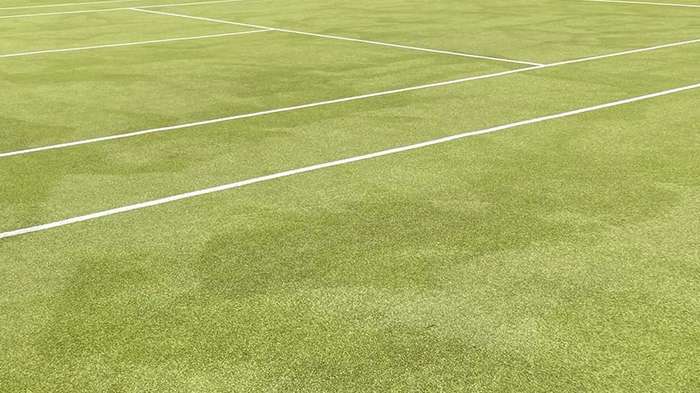 Artificial and Sports Surfaces
 Awnings / Canopies / Gazebos
 Block Paving
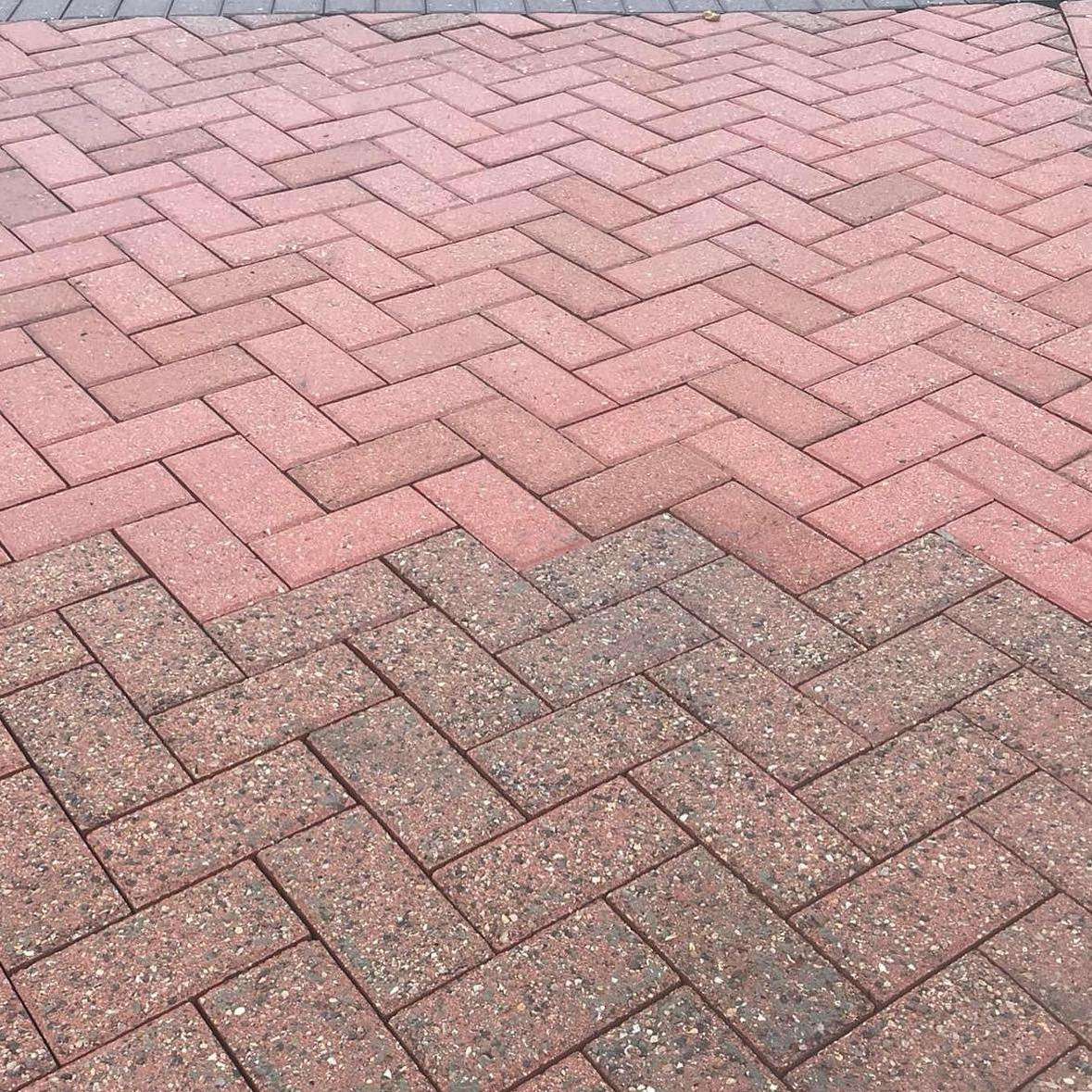 Brickwork
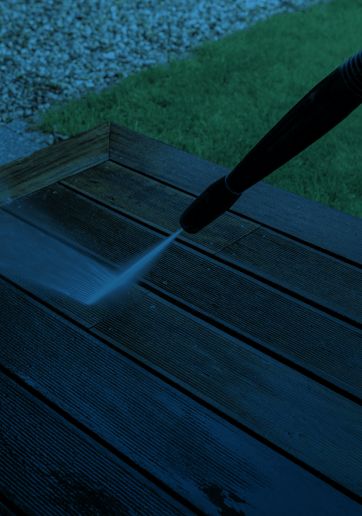 Composite Surfaces
 Decking / Timber
 Granite
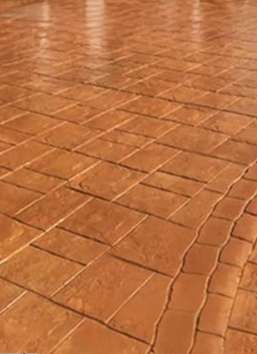 Imprinted Concrete
 Internal Masonry
 Limestone
 Marble
 Metal Cladding
 Polished or Honed Stone
 Porcelain
 Render
 Resin Bond
 Road and Rail Signs
 Roof Tiles / Slates
 Sandstone
 Slate
Slate Solar Panels and Glass
 Stone Sills and Pier Caps
 Tarmac and Asphalt
 Gutters & UPVC
 Acid Damage
 Biofilm
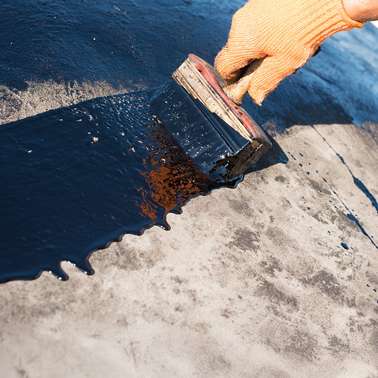 Bitumen
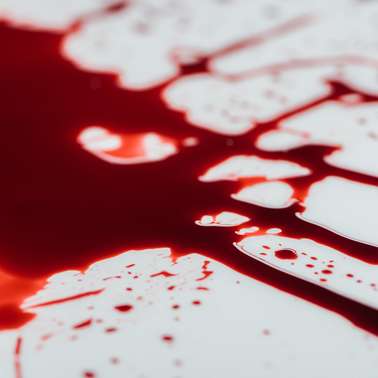 Blood
Blood Carbon
 Concrete / Grout / Mortar
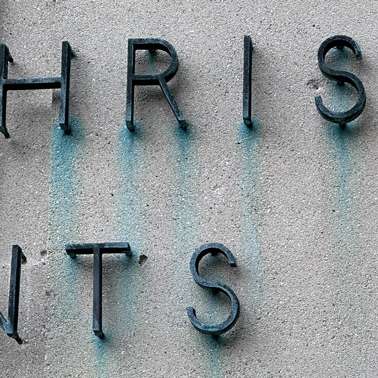 Copper Oxide
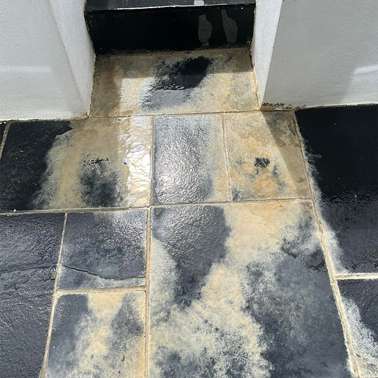 Efflorescence
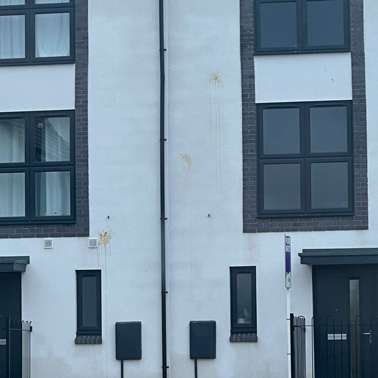 Egg
Egg Failed Sealer
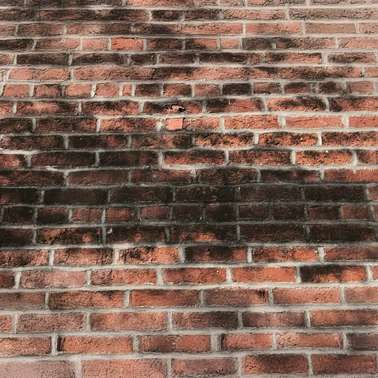 Fire Damage
 Fuel / Oil
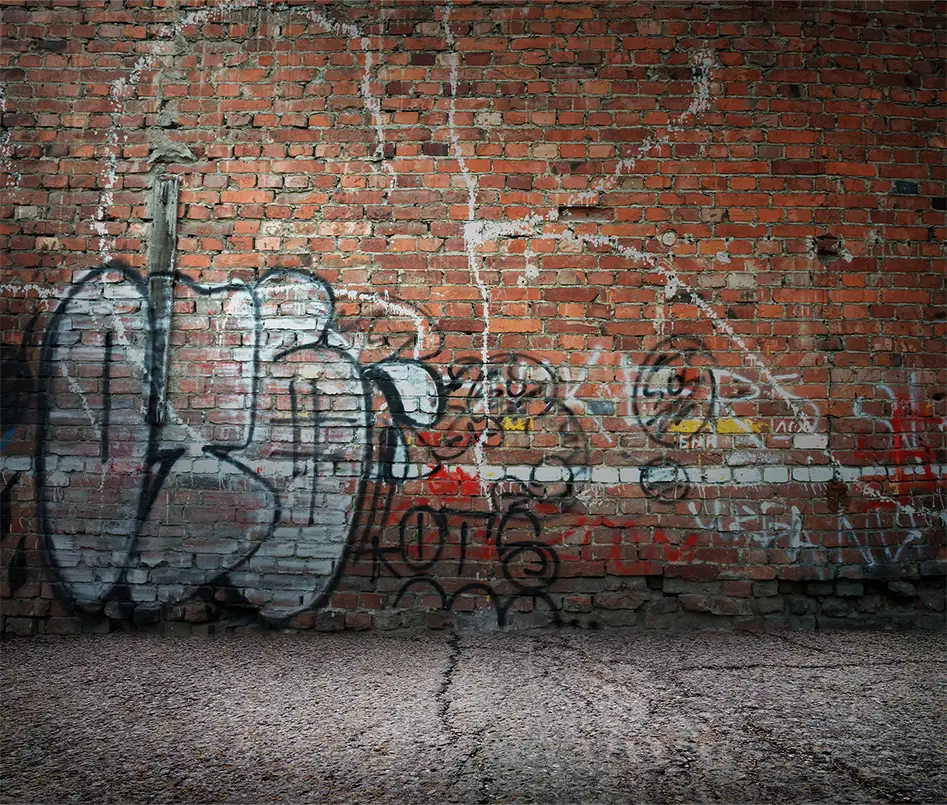 Graffiti
 Grease / Fat / Cooking Oil
 Lawn Fertiliser
 Lead Carbonate
 Lead Oxide
 Paint Splashes
 Rust
Rust Tar & Glue
 Tannin Removers
 Traffic Film Removers
 Trapped Moisture / Sealer Repairs
 Urine Neutralisers