
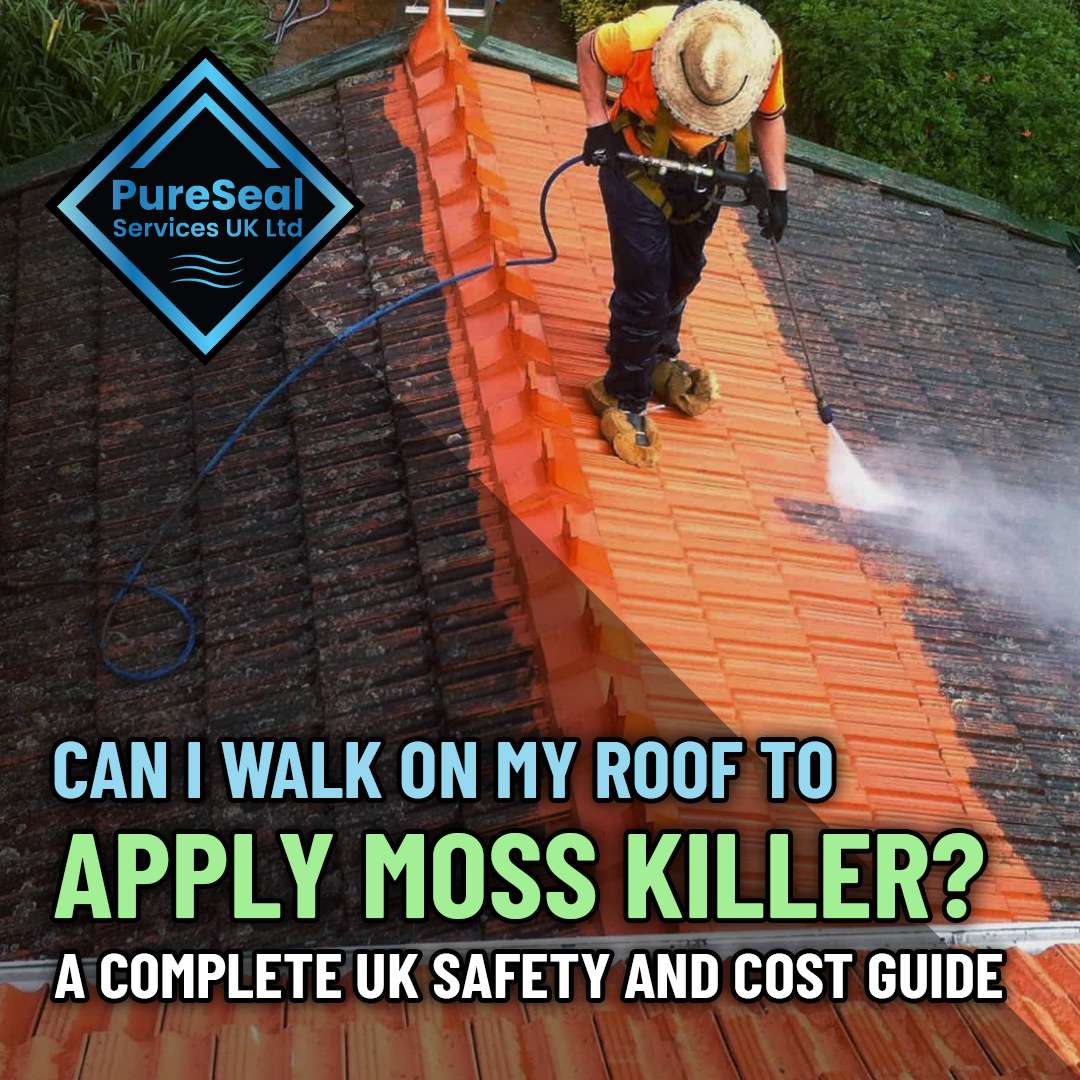
Can I Walk on My Roof to Apply Moss Killer? A Complete UK Safety and Cost Guide
Can I Walk on My Roof to Apply Moss Killer?
Homeowners across the UK often face the familiar problem of moss taking over their roofs. Those dark green patches might seem harmless at first, but over time moss can trap moisture, lift tiles, and even lead to leaks. Understandably, many people wonder: can I just walk on my roof and apply moss killer myself?
The short answer is — it depends, but in most cases, it’s not recommended. Walking on a roof without the right safety measures or knowledge can lead to damage, injury, or both. This guide will explore everything you need to know before stepping onto your roof, including the risks, safe alternatives, costs, tools, and how professionals do it.
Why Moss Grows on Roofs
Moss thrives in damp, shaded, and cool environments — all conditions that the UK’s climate provides in abundance. Roofs facing north or shaded by trees are especially prone to growth.
Common reasons moss appears include:
-
Moisture retention: Rainwater doesn’t evaporate quickly on shaded tiles.
-
Organic debris: Fallen leaves and twigs create the perfect breeding ground.
-
Porous materials: Concrete and clay tiles absorb moisture, encouraging spores to settle.
-
Airborne spores: Moss spreads easily, carried by the wind or birds.
Although moss looks soft, it’s destructive. It holds water against your roof’s surface, eroding tile coatings, promoting frost damage, and blocking gutters. Moss removal and prevention are essential parts of roof maintenance.
Is It Safe to Walk on Your Roof?
Walking on your roof is rarely safe — for both you and your property. Roofs are not designed to bear foot traffic, and tiles can crack or shift easily under weight.
Risks to You
-
Falls: The leading danger. Roof slopes are slippery, especially when damp or mossy.
-
Injury: Falling from even a single-storey roof can cause serious harm.
-
Instability: Loose tiles or fragile underlayment can give way unexpectedly.
Risks to the Roof
-
Cracked tiles: Foot pressure can fracture clay or concrete tiles, creating leaks.
-
Dislodged fixings: Walking disrupts how tiles overlap, weakening waterproofing.
-
Broken ridge tiles or flashing: These joints are especially delicate and costly to repair.
For these reasons, professionals use roof ladders, scaffolding, or cherry pickers — not direct walking — to distribute their weight safely.
When (and Where) You Might Be Able to Walk on a Roof
Some roofs are sturdier than others. For instance, certain metal or standing-seam roofs can tolerate light foot traffic, as can flat roofs designed for maintenance access. However, even these require careful navigation.
| Roof Type | Can You Walk on It? | Precautions Required | Risk Level |
|---|---|---|---|
| Concrete Tile | Not advised | May crack under weight | High |
| Clay Tile | Not advised | Very brittle | High |
| Slate | No | Slippery and fragile | Very High |
| Metal | Sometimes | Use soft shoes, avoid seams | Low–Medium |
| Flat Roof (Bitumen or EPDM) | Yes, with care | Avoid tools and sharp edges | Low |
| Thatch | Never | Will cause severe damage | Extreme |
Even if your roof is one of the few that can bear weight, you should only step on it using proper safety gear and spread weight evenly.
Applying Moss Killer: What’s Involved
Roof moss killer (also called biocide, moss treatment, or roof wash) is a chemical solution designed to kill moss and algae spores, preventing regrowth. It’s usually applied after moss has been manually removed.
There are two main approaches:
-
Manual application – using a low-pressure sprayer to coat the roof with biocide.
-
Automated application – using pump systems, telescopic poles, or long-reach lances from the ground.
Most products require dry conditions and need 24–48 hours to take effect. Rain can dilute the solution and reduce its effectiveness.
Why You Shouldn’t Walk on the Roof to Apply Moss Killer
Many homeowners think they’ll save money by climbing up and spraying the moss killer themselves. However, this often leads to far more expensive outcomes.
1. Slippery Surfaces
Moss and biocide create extremely slick surfaces. Even professionals avoid stepping on treated areas until they’ve dried completely.
2. Fragile Tiles
Roof tiles can crack under your weight, even if they seem solid. A single cracked tile can cost £5–£15 to replace — and a few damaged tiles can quickly become a £300 repair job once scaffolding and labour are factored in.
3. Uneven Weight Distribution
Most roofs are designed to support weight evenly through rafters, not single pressure points. Walking randomly can cause long-term structural stress.
4. Ladder and Access Risks
The majority of accidents happen getting on or off the roof. Without secure ladders and anchor points, even experienced individuals can slip.
5. Warranty and Insurance Issues
If you damage your roof while applying moss killer yourself, your home insurance is unlikely to cover the repair — especially if the policy specifies professional maintenance for external work.
Safer Alternatives to Walking on the Roof
If you want to apply moss killer but avoid the risk, there are several safer ways to get the job done.
Telescopic Spray Systems
Modern long-reach sprayers allow homeowners to apply biocide from the ground or a stable ladder. These tools can extend 20–30 feet, easily reaching most roofs without walking on them.
They typically cost £50–£150 for a decent model.
Ladder-and-Lance Method
With proper footing and a stabiliser, you can work from the gutter line using a spray lance. Always maintain three points of contact (two feet and one hand) and never overreach.
Hiring a Professional
Roof cleaning specialists use safety harnesses, roof ladders, and sometimes cherry pickers to access difficult areas without stepping on fragile tiles.
While professional cleaning costs between £350 and £800, it prevents thousands of pounds in potential roof damage.
How Professionals Apply Moss Killer Safely
Professional roof cleaners follow a structured process that ensures safety and effective treatment:
-
Inspection: Check for loose tiles, leaks, and hazards.
-
Access Setup: Install scaffolding, roof ladders, or use a mobile platform.
-
Moss Removal: Scrape or brush moss off manually without walking on fragile areas.
-
Rinsing: Clear gutters and downpipes to prevent blockages.
-
Biocide Application: Spray moss killer evenly using controlled pressure.
-
Final Check: Ensure runoff is safe and tiles remain intact.
They may use different biocides depending on the roof type, each costing around £20–£60 per 5-litre container, enough to treat 80–100 m² of roof area.
Common Moss Killer Types and Their Effects
| Type of Moss Killer | Main Ingredient | Suitable For | Effect Duration | Average Product Cost (£) |
|---|---|---|---|---|
| Biodegradable biocide | Quaternary ammonium | All roof types | 2–3 years | £20–£40 |
| Bleach-based | Sodium hypochlorite | Concrete tiles only | 1–2 years | £10–£25 |
| Copper or zinc-based | Metal roofs | Up to 5 years | £30–£60 | |
| Eco-friendly organic | Plant extracts | Heritage roofs | 1–2 years | £25–£50 |
Bleach-based cleaners work quickly but can damage paint, metalwork, and nearby plants. Most modern roof cleaners prefer biodegradable biocides that continue working for months after application.
The Cost of Applying Moss Killer Yourself vs Hiring a Professional
| Option | Upfront Cost (£) | Equipment Needed | Risk Level | Expected Result |
|---|---|---|---|---|
| DIY (ground spray) | £60–£150 | Telescopic sprayer, ladder | Low–Medium | Moderate |
| DIY (walking on roof) | £60–£150 | Ladder, safety gear | Very High | Risky / inconsistent |
| Professional service | £350–£800 | Included | Low | Thorough, even coverage |
While the DIY approach might look cheaper, factoring in equipment, time, and safety gear narrows the price gap considerably. A professional job also lasts longer and ensures the moss is fully neutralised.
The Danger of Pressure Washing When Applying Moss Killer
Some people mistakenly believe pressure washing is a quick way to remove moss before applying biocide. However, this approach can cause significant damage.
High-pressure water can:
-
Strip off protective tile coatings
-
Force water beneath tiles and underlayment
-
Dislodge pointing or flashing
-
Void manufacturer warranties
If you plan to clean before applying moss killer, soft washing or manual scraping is the safer option.
Health and Environmental Considerations
Moss killers are chemicals — and while many are eco-friendly, they still require careful handling. Always read the manufacturer’s instructions and follow safety guidelines.
Key tips:
-
Wear gloves and eye protection when mixing or spraying.
-
Avoid spraying during windy conditions to prevent drift.
-
Keep pets indoors until the treatment has dried.
-
Prevent runoff from entering ponds or drains where possible.
Some councils may have restrictions on chemical use near watercourses, so it’s wise to check local guidance.
The Role of Roof Design in Moss Growth
Certain roof designs are naturally more prone to moss buildup. Understanding this helps you plan preventive care.
| Design Feature | Moss Growth Risk | Reason |
|---|---|---|
| North-facing slope | High | Less sunlight, more moisture retention |
| Overhanging trees | Very high | Shade and leaf litter |
| Low-pitched roofs | Medium–High | Water drains slowly |
| Well-ventilated roofs | Low | Faster drying times |
| Smooth tile finishes | Low | Harder for spores to attach |
If your roof fits several high-risk criteria, applying a biocide treatment every 18–24 months can help prevent heavy regrowth and reduce the need for climbing or walking on the roof at all.
Using Copper or Zinc Strips as an Alternative
An increasingly popular alternative in the UK is installing copper or zinc strips near the ridge line of the roof. When rainwater runs over these metals, ions are released that naturally inhibit moss and algae growth.
| Installation Type | Approximate Cost (£) | Lifespan | Maintenance Required |
|---|---|---|---|
| Copper strip (ridge line) | £60–£120 | 10–15 years | Minimal |
| Zinc strip | £40–£100 | 8–12 years | Minimal |
These are a long-term preventative solution and remove the need for regular moss killer application. However, they require proper installation — ideally from scaffolding rather than walking directly on the roof.
Signs You Should Not Attempt Roof Work Yourself
Certain conditions make roof access particularly dangerous, even for small tasks like moss killer application:
-
Wet or frosty weather – surfaces are extremely slippery.
-
Steep pitches (over 30°) – unsafe for non-professionals.
-
Aging or cracked tiles – more likely to break under weight.
-
Unstable ladders or poor access – the biggest cause of accidents.
If any of these apply, stay off the roof and consider a ground-based method instead.
Estimated Cost of Roof Repair If Damaged While Walking
Many homeowners underestimate how costly roof repairs can be after accidental damage. The table below shows common repair costs caused by walking or mishandling roof materials.
| Damage Type | Typical Repair Cost (£) | Description |
|---|---|---|
| Cracked or broken tiles | £150–£350 | Includes labour and replacement |
| Damaged ridge or hip tiles | £300–£600 | Mortar re-bedding required |
| Leaking flashing or valley | £200–£500 | May need re-sealing |
| Gutter or fascia damage | £100–£250 | Replacement sections |
| Structural roof timber damage | £800–£1,500 | Serious long-term issue |
As you can see, a single misstep can turn a £50 DIY project into a £1,000 repair bill.
Best Time of Year to Apply Moss Killer
The timing of moss treatment plays a major role in its effectiveness.
| Season | Pros | Cons | Effectiveness |
|---|---|---|---|
| Spring | Warm, dry, good moss visibility | Busy season | High |
| Summer | Fast drying, longer-lasting results | Products can dry too quickly | Very High |
| Autumn | Removes moss before winter | Damp weather may interfere | Medium |
| Winter | Slippery, unsafe to work | Cold delays reaction | Low |
Most professionals recommend late spring to early summer as the ideal time to apply biocide treatments. Moss is actively growing and weather conditions are suitable for drying and absorption.
Long-Term Prevention Without Walking on the Roof
Once your roof is clean and treated, you can take proactive measures to prevent moss returning — without ever climbing up again.
-
Trim trees and branches to increase sunlight exposure.
-
Clean gutters twice a year to prevent moisture buildup.
-
Install copper or zinc strips to discourage spore growth.
-
Reapply biocide every 18–24 months using a telescopic sprayer.
-
Inspect visually from the ground or with binoculars.
These small steps reduce future moss buildup and eliminate the need to walk on the roof entirely.
Summary: Should You Walk on Your Roof to Apply Moss Killer?
In most cases, no — you should not walk on your roof to apply moss killer. The risks of personal injury and roof damage far outweigh any potential savings.
There are safer, more effective options:
-
Use a telescopic sprayer or extension lance from ground level.
-
Hire professionals who use safety systems and roof ladders.
-
Apply treatments seasonally when moss is most active.
-
Combine cleaning with preventative measures like copper strips or regular biocide reapplications.
Spending a few hundred pounds on proper roof care is a much smarter investment than risking serious injury or costly damage.
Remember: your roof’s job is to protect you — not the other way around.
Understanding Roof Load-Bearing Capacity
One of the most misunderstood aspects of roof safety is how much weight a roof can actually support. Domestic roofs in the UK are designed to handle weather loads, not foot traffic. This means they’re built to withstand snow, rain, and wind pressure — but not the concentrated pressure of a human foot.
Most roof structures are composed of timber rafters, insulation, felt or membrane, and tiles. When you step on a single tile, your entire body weight focuses on a very small area, increasing the risk of cracks. The average roof tile can only handle 50–70 kg of direct pressure before fracturing — less than the weight of an average adult.
Even when tiles don’t break immediately, micro-fractures can develop, allowing water to seep through over time. That’s why professionals use roof ladders designed to spread weight evenly across several tiles, reducing stress and preventing hidden damage.
How Roof Pitch Affects Safety and Moss Treatment
The steepness (pitch) of your roof has a significant impact on both moss growth and the practicality of applying moss killer.
-
Low-pitched roofs (below 25°): Easier to access and maintain, but they retain water for longer, encouraging moss.
-
Medium-pitched roofs (25°–35°): The UK standard for most homes; still unsafe to walk on without equipment.
-
High-pitched roofs (above 35°): Extremely dangerous to walk on. These require professional access, usually via scaffolding or roof ladders.
| Roof Pitch | Ease of Access | Moss Growth Rate | Walking Safety |
|---|---|---|---|
| Flat (0°–10°) | Easy | High | Safe with care |
| Shallow (10°–25°) | Moderate | Medium–High | Unsafe |
| Standard (25°–35°) | Difficult | Medium | Very Unsafe |
| Steep (35°–50°+) | Very Difficult | Low | Extremely Unsafe |
When applying moss killer, always remember that the steeper the roof, the higher the danger. Never attempt to spray chemicals from an unstable position — it’s safer to use ground-based telescopic equipment or hire a specialist.
Moss Killer Application Rates and Coverage
If you decide to treat your roof using a telescopic sprayer or similar ground-based system, understanding correct application rates is essential for effective and economical results. Applying too much product wastes money; too little will leave spores alive.
Here’s a general guide for typical UK biocide and moss killer products:
| Product Type | Dilution Ratio (Biocide:Water) | Coverage per 5 Litres (m²) | Estimated Cost per Application (£) |
|---|---|---|---|
| Professional-grade biocide | 1:4 | 80–100 | £25–£40 |
| Ready-to-use spray | Pre-mixed | 50–70 | £30–£50 |
| Concentrated moss remover | 1:5–1:10 | 100–150 | £20–£35 |
| Eco-friendly organic mix | Pre-mixed | 60–80 | £30–£60 |
Always check the product label for the correct dilution, and ensure the weather is dry for at least 24 hours after application. Moss usually begins turning brown within days and disintegrates naturally over several weeks.
Legal and Insurance Considerations for Roof Work
In the UK, homeowners are legally responsible for ensuring that any work carried out on their property — including roof maintenance — is done safely. If you or someone else is injured while working on your roof without proper precautions, you could be held liable.
Under the Health and Safety at Work Act 1974, professional roofers must follow strict safety protocols, including using harnesses, guard rails, and appropriate access equipment. While this law doesn’t directly apply to private homeowners, insurers often use it as a benchmark when evaluating claims.
Key points to remember:
-
Home insurance may not cover damage caused by DIY roof work.
-
Injuries sustained while working on your own roof may not be covered under personal accident policies.
-
If you employ anyone (even casually) to help with roof cleaning, you’re responsible for their safety.
For peace of mind, it’s always best to choose safe, non-contact application methods or hire trained professionals with proper insurance.
Long-Term Roof Health and Moss Prevention Strategy
Rather than repeatedly applying moss killer every year, you can take a long-term, preventative approach to keep your roof moss-free for longer — all without setting foot on the tiles.
1. Annual Visual Inspections
Use binoculars or a drone to check for moss buildup, cracked tiles, or gutter blockages. Spotting problems early prevents costly damage.
2. Regular Gutter Maintenance
Clean gutters twice a year — typically in spring and autumn — to stop standing water from encouraging moss growth near roof edges.
3. Improved Ventilation
Proper roof ventilation helps keep the underside dry, reducing condensation that contributes to moss growth.
4. Sunlight Exposure
Trim or thin back overhanging branches to allow more sunlight onto your roof. Moss thrives in shaded areas; more light means drier, cleaner tiles.
5. Preventive Treatments
Reapply a biocide every 18–24 months using a long-reach sprayer. This helps maintain protection without the need for physical roof access.
| Preventive Measure | Frequency | Approximate Annual Cost (£) | Impact on Roof Longevity |
|---|---|---|---|
| Gutter cleaning | Twice a year | £100–£150 | High |
| Biocide reapplication | Every 2 years | £100–£200 | Very High |
| Tree trimming | Every 3–5 years | £80–£200 | Medium |
| Visual inspection | Annually | £0–£50 | Medium |
| Roof coating (optional) | Every 5–7 years | £400–£800 | Very High |
This preventive care costs only a few hundred pounds over several years — far less than the expense and risk of climbing on the roof or repairing preventable damage.
Tags: Exterior cleaning, gutter cleaning, window cleaning, Patio cleaning, Driveway cleaning, pressure washing, Roof Cleaning
 Artificial and Sports Surfaces
 Awnings / Canopies / Gazebos
 Block Paving
 Brickwork
 Composite Surfaces
 Decking / Timber
 Granite
 Imprinted Concrete
 Internal Masonry
 Limestone
 Marble
 Metal Cladding
 Polished or Honed Stone
 Porcelain
 Render
 Resin Bond
 Road and Rail Signs
 Roof Tiles / Slates
 Sandstone
 Slate
Slate Solar Panels and Glass
 Stone Sills and Pier Caps
 Tarmac and Asphalt
 Gutters & UPVC
 Acid Damage
 Biofilm
 Bitumen
 Blood
Blood Carbon
 Concrete / Grout / Mortar
 Copper Oxide
 Efflorescence
 Egg
Egg Failed Sealer
 Fire Damage
 Fuel / Oil
 Graffiti
 Grease / Fat / Cooking Oil
 Lawn Fertiliser
 Lead Carbonate
 Lead Oxide
 Paint Splashes
 Rust
Rust Tar & Glue
 Tannin Removers
 Traffic Film Removers
 Trapped Moisture / Sealer Repairs
 Urine Neutralisers