Can Pressure Washing Damage Driveways? What Homeowners Need to Know
A clean driveway can dramatically improve the appearance of a property. Over time, however, driveways naturally accumulate dirt, moss, algae, tyre marks, oil stains, weeds, and general grime. Pressure washing is widely regarded as one of the most effective ways to restore hard surfaces, but many homeowners ask an important question before arranging professional cleaning: can pressure washing actually damage a driveway?
The simple answer is yes – pressure washing can damage a driveway if it is carried out incorrectly. Excessive pressure, unsuitable equipment, poor technique, and a lack of understanding of different surface materials can all lead to costly problems. However, when performed by experienced professionals using the correct methods, pressure washing is one of the safest and most effective ways to clean and maintain a driveway.
At Pure Seal Services, driveway cleaning is approached with careful consideration of the surface material, condition, and age of the driveway to ensure outstanding results without unnecessary risk.
Why Pressure Washing Is So Effective
Pressure washing uses high-pressure water to remove contaminants from exterior surfaces. The process can eliminate years of built-up dirt and biological growth that standard cleaning methods simply cannot tackle.
Driveways are exposed to a variety of substances throughout the year, including:
Mud and soil
Moss
Algae
Lichen
Vehicle residue
Oil stains
Fallen leaves
Atmospheric pollution
Weeds
Organic debris
These contaminants not only affect appearance but can also contribute to surface deterioration and slip hazards.
Common Driveway Contaminants
Contaminant
Appearance
Potential Problem
Moss
Green clumps
Slip hazards and moisture retention
Algae
Green or black film
Extremely slippery when wet
Lichen
White or black patches
Surface staining
Oil
Dark patches
Permanent staining if untreated
Dirt
General discolouration
Poor kerb appeal
Weeds
Growth between joints
Structural movement over time
Tyre Marks
Black streaks
Unsightly appearance
Pressure washing removes many of these issues quickly and effectively, helping restore the original appearance of the driveway.
How Driveway Damage Can Occur
Despite its effectiveness, pressure washing is not simply a matter of directing high-pressure water at a surface.
Different materials respond differently to pressure cleaning. Using excessive force or inappropriate techniques can cause damage that may be expensive to repair.
Common Causes of Pressure Washing Damage
Cause
Potential Result
Excessive pressure
Surface erosion
Incorrect nozzle selection
Etching and scarring
Holding nozzle too close
Permanent marks
Inexperienced operation
Uneven cleaning
Ignoring surface condition
Worsening existing damage
Poor drainage management
Water-related issues
The risk depends largely on the driveway material and the experience of the person carrying out the cleaning.
Which Driveway Types Are Most Vulnerable?
Not all driveways react the same way to pressure washing.
Some surfaces are extremely durable, while others require a more controlled approach.
Block Paving
Block paving remains one of the most popular driveway choices throughout the UK.
While block paving is generally robust, incorrect pressure washing can create several problems.
Potential issues include:
Removal of jointing sand
Surface erosion
Weed regrowth
Uneven appearance
Movement of paving blocks
The removal of kiln-dried sand is particularly common when inexperienced operators use excessive pressure.
Concrete Driveways
Concrete is durable but not indestructible.
Older concrete driveways may have weakened surface layers that can be damaged by aggressive pressure washing.
Possible risks include:
Surface pitting
Aggregate exposure
Etching
Flaking
Surface weakening
Careful pressure adjustment is essential when cleaning concrete surfaces.
Tarmac Driveways
Tarmac requires particular caution.
Unlike concrete or block paving, tarmac has a softer composition that can be damaged relatively easily.
Potential problems include:
Risk
Description
Scarring
Surface becomes visibly marked
Surface displacement
Material can be removed
Pitting
Small holes develop
Weakening
Structural integrity affected
Professional operators often use lower pressure settings when cleaning tarmac to avoid damage.
Resin-Bound Driveways
Resin-bound surfaces have become increasingly popular due to their attractive appearance and permeability.
While generally durable, incorrect pressure washing can affect the resin matrix holding the aggregate together.
Proper cleaning requires:
Appropriate pressure levels
Correct nozzle selection
Controlled cleaning patterns
Surface-specific expertise
Natural Stone Driveways
Natural stone can vary significantly in strength and composition.
Common driveway stones include:
Sandstone
Limestone
Granite
Slate
Softer stones such as sandstone and limestone require particularly careful cleaning to prevent surface erosion.
The Biggest Mistake Homeowners Make
One of the most common mistakes is assuming that more pressure equals better cleaning.
In reality, professional driveway cleaning often relies more on technique than raw power.
An experienced technician understands:
Surface composition
Pressure adjustment
Water flow rates
Cleaning angles
Surface vulnerabilities
Using maximum pressure on every surface increases the likelihood of damage without necessarily improving cleaning results.
Signs a Driveway Has Been Damaged by Pressure Washing
Homeowners who have attempted DIY cleaning or used inexperienced contractors should watch for warning signs.
Surface Etching
Etching appears as visible lines or marks where the pressure washer has removed part of the surface.
This is particularly common on concrete.
Patchy Appearance
Uneven cleaning can leave obvious differences in colour and texture across the driveway.
Missing Jointing Sand
Block paving often suffers from excessive sand loss when cleaned incorrectly.
Without replacement sand, paving blocks may become unstable.
Surface Roughness
Previously smooth surfaces may become noticeably rough following aggressive cleaning.
Pitting and Surface Loss
Small holes or craters can develop when excessive pressure removes surface material.
Common Damage Indicators
Symptom
Possible Cause
White streaks
Etching
Loose blocks
Sand loss
Rough texture
Surface erosion
Surface holes
Excessive pressure
Colour variation
Uneven cleaning
Cracking
Existing weaknesses exposed
Why Professional Equipment Makes a Difference
Many domestic pressure washers are marketed as powerful cleaning tools, but professional systems offer much greater control.
A professional contractor does not simply rely on maximum pressure.
Instead, they balance several factors:
Pressure levels
Water volume
Nozzle type
Surface cleaner attachments
Cleaning chemicals where appropriate
This allows surfaces to be cleaned thoroughly while minimising risk.
Surface Cleaners vs Direct Pressure Washing
Professional surface cleaners are often used for driveway cleaning.
These specialised attachments distribute pressure more evenly than a handheld lance.
Benefits of Surface Cleaners
Advantage
Benefit
Consistent coverage
Uniform appearance
Reduced streaking
Better finish
Controlled pressure
Lower damage risk
Faster cleaning
Greater efficiency
Less overspray
Cleaner working area
This approach often produces superior results compared with direct nozzle cleaning.
The Role of Driveway Age
Older driveways naturally require additional care.
Even high-quality materials deteriorate over time due to:
Weather exposure
Vehicle traffic
Freeze-thaw cycles
UV exposure
Water penetration
An older driveway may already have weakened areas that are vulnerable during cleaning.
Before pressure washing begins, professional assessment helps identify potential concerns.
Older Driveway Considerations
Age Range
Potential Concerns
0–5 Years
Generally minimal
5–10 Years
Minor wear
10–20 Years
Surface weakening possible
20+ Years
Greater caution required
Can Pressure Washing Remove Protective Coatings?
Some driveways have protective sealants applied.
These coatings can help:
Reduce staining
Prevent weed growth
Improve appearance
Protect against weathering
Aggressive pressure washing may remove or damage these protective layers.
This is why cleaning methods should be adjusted based on whether a driveway has been sealed previously.
At Pure Seal Services, surface condition and existing treatments are carefully assessed before cleaning begins.
Why DIY Driveway Cleaning Often Creates Problems
Many homeowners purchase pressure washers expecting professional-level results.
While domestic machines can handle light cleaning tasks, several risks remain.
Common DIY Errors
Holding the Nozzle Too Close
The closer the nozzle is to the surface, the greater the impact force.
Many DIY users unknowingly concentrate pressure in one area for too long.
Using the Wrong Nozzle
Pressure washer nozzles are designed for different applications.
An incorrect nozzle can dramatically increase the likelihood of damage.
Ignoring Surface Differences
A method that works on concrete may damage tarmac or natural stone.
Inconsistent Cleaning Technique
Uneven movement creates visible cleaning lines and patchy results.
The Relationship Between Pressure and Water Flow
Many homeowners focus exclusively on pressure ratings.
However, cleaning effectiveness depends on both pressure and water volume.
Understanding the Difference
Factor
Purpose
Pressure
Breaks contaminants loose
Water Flow
Flushes debris away
Professional equipment often achieves better results through balanced performance rather than extreme pressure.
Why Algae and Moss Need Proper Removal
One reason some operators use excessive pressure is to remove stubborn biological growth.
However, simply blasting away visible moss does not always solve the problem.
Root structures and spores can remain embedded within the surface.
This often results in rapid regrowth.
Professional cleaning may involve:
Thorough contaminant removal
Surface treatment where appropriate
Careful rinsing
Follow-up recommendations
The objective is long-term improvement rather than short-term cosmetic results.
The Cost of Repairing Pressure Washing Damage
Repair costs can quickly exceed the cost of professional cleaning.
Potential Repair Expenses
Issue
Typical Cost Range
Re-sanding block paving
£150–£500+
Concrete repair
£300–£1,500+
Tarmac restoration
£500–£2,500+
Replacement paving blocks
£250–£2,000+
Surface resealing
£300–£1,500+
These figures vary considerably depending on driveway size and extent of damage.
Investing in experienced professionals often proves more economical than risking costly repairs.
Questions Homeowners Should Ask Before Hiring a Driveway Cleaning Company
Choosing the right contractor can significantly reduce the risk of damage.
Important questions include:
What experience do they have with my driveway type?
Do they adjust pressure levels for different surfaces?
Do they use professional surface cleaners?
Will they replace jointing sand if required?
Do they assess the surface before cleaning?
Are they experienced with older driveways?
Professional contractors should be able to answer these questions confidently.
Why Premium Services Often Deliver Better Long-Term Value
Driveway cleaning is not simply about achieving the lowest price.
Low-cost services may cut corners through:
Rushed work
Inexperienced operators
Inappropriate equipment
Lack of surface assessment
Premium providers typically invest more heavily in:
Staff training
Professional machinery
Surface-specific techniques
Comprehensive cleaning processes
Although homeowners may pay more initially, the reduced risk of damage and superior results often provide greater overall value.
Aftercare Following Professional Pressure Washing
Once a driveway has been professionally cleaned, proper maintenance helps preserve results.
Recommended practices include:
Situations Where Pressure Washing May Not Be Appropriate
In rare cases, pressure washing may not be the best solution.
Examples include:
Severely damaged surfaces
Loose paving
Freshly installed driveways
Unstable substrates
Certain specialist finishes
A professional inspection helps determine the most suitable cleaning approach.
Understanding the condition of a driveway before cleaning begins is one of the most important steps in preventing unnecessary damage. Every driveway material responds differently to pressure washing, and factors such as age, previous repairs, sealing treatments, weather exposure, and existing structural issues all influence how the surface should be cleaned. By tailoring cleaning methods to the specific requirements of each driveway, experienced specialists such as Pure Seal Services can restore appearance, remove contaminants, and minimise the risks commonly associated with incorrect pressure washing techniques.
How Professional Assessment Helps Prevent Driveway Damage
One of the key differences between professional driveway cleaning and a basic DIY approach is the inspection process that takes place before any equipment is switched on. Experienced technicians understand that no two driveways are exactly alike, even when they are made from the same material.
For example, two block paving driveways may require completely different cleaning approaches depending on their age, level of contamination, drainage conditions, and previous maintenance history. A driveway that has been regularly maintained will often tolerate cleaning differently from one that has been neglected for many years.
During an assessment, professionals will typically look for:
Loose or damaged paving blocks
Existing cracks
Areas of sinking or movement
Weed infestation
Signs of previous repairs
Surface erosion
Drainage issues
Existing sealants or coatings
Identifying these factors beforehand allows the cleaning process to be adjusted accordingly.
Factors That Influence Cleaning Methods
Assessment Factor
Why It Matters
Surface Material
Determines suitable pressure levels
Driveway Age
Older surfaces may require extra care
Existing Damage
Prevents further deterioration
Biological Growth
Influences cleaning intensity
Previous Sealing
May affect cleaning approach
Drainage Quality
Impacts water management during cleaning
Another important consideration is the surrounding environment. Driveways located beneath mature trees often experience heavier moss and algae growth due to increased shade and moisture retention. These areas may need a more thorough cleaning process than surfaces exposed to full sunlight throughout the day.
The size of the driveway can also influence the chosen cleaning method. Larger driveways benefit significantly from professional surface cleaning equipment, which delivers a more uniform finish while reducing the risk of visible cleaning marks. This helps ensure the entire area looks consistent once the work is completed.
When homeowners choose a reputable specialist such as Pure Seal Services, they are not simply paying for the cleaning itself. They are investing in the knowledge, experience, and professional judgement required to clean a driveway safely while preserving the integrity of the surface. This careful approach is often what separates a truly professional result from one that risks unnecessary and costly damage.

 Artificial and Sports Surfaces
 Awnings / Canopies / Gazebos
 Block Paving
 Brickwork
 Composite Surfaces
 Decking / Timber
 Granite
 Imprinted Concrete
 Internal Masonry
 Limestone
 Marble
 Metal Cladding
 Polished or Honed Stone
 Porcelain
 Render
 Resin Bond
 Road and Rail Signs
 Roof Tiles / Slates
 Sandstone
 Slate
Slate Solar Panels and Glass
 Stone Sills and Pier Caps
 Tarmac and Asphalt
 Gutters & UPVC
 Acid Damage
 Biofilm
 Bitumen
 Blood
Blood Carbon
 Concrete / Grout / Mortar
 Copper Oxide
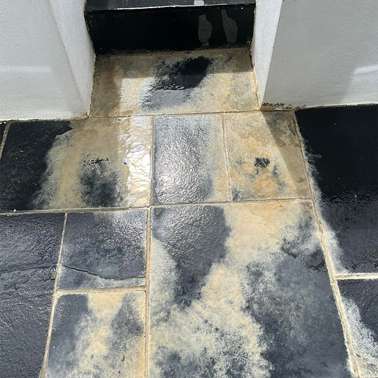 Efflorescence
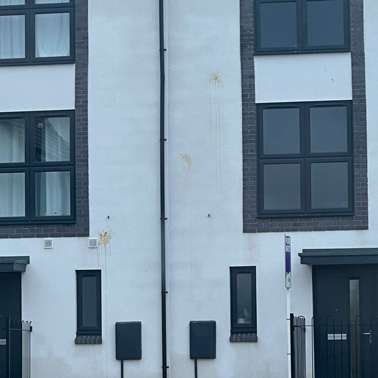 Egg
Egg Failed Sealer
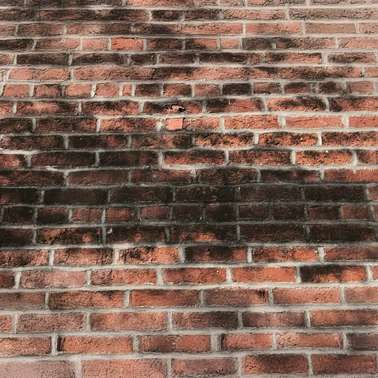 Fire Damage
 Fuel / Oil
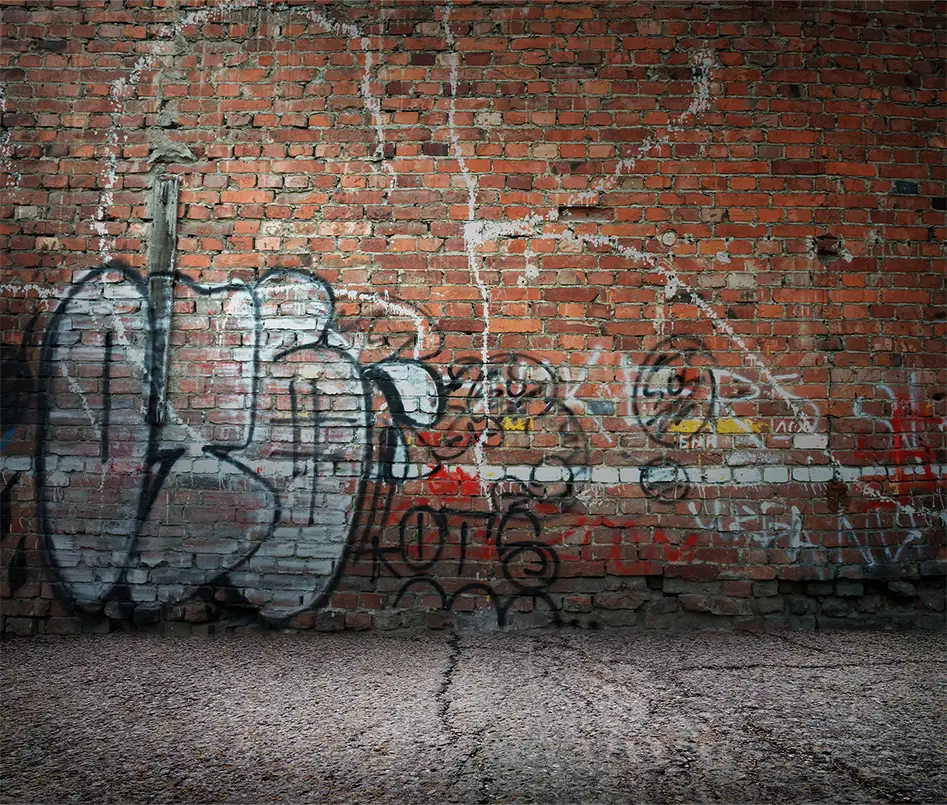 Graffiti
 Grease / Fat / Cooking Oil
 Lawn Fertiliser
 Lead Carbonate
 Lead Oxide
 Paint Splashes
 Rust
Rust Tar & Glue
 Tannin Removers
 Traffic Film Removers
 Trapped Moisture / Sealer Repairs
 Urine Neutralisers