Running a pressure washing business today is very different from how it was a few years ago. Jobs are more competitive, customer expectations are higher, and managing everything manually quickly becomes overwhelming as you grow. That’s why more operators are turning to systems that help them stay organised, efficient, and profitable.
For businesses like Pureseal Services, a well-structured CRM system can be the difference between constantly chasing paperwork and running a streamlined, scalable operation that runs smoothly day to day.
A CRM is no longer just a “nice to have”. It becomes the central hub of your entire business.
What a CRM Does for a Pressure Washing Business
A CRM (Customer Relationship Management system) is essentially a digital control centre for your business. Instead of relying on spreadsheets, notebooks, messages, and memory, everything is stored in one place.
In a pressure washing business, it typically handles:
Customer details and job history
Quotes and pricing
Job scheduling
Invoicing and payments
Follow-ups and reminders
Work tracking and notes
At its core, it connects the customer journey from first enquiry all the way through to payment and repeat work.
Moving From Chaos to Structure
Without a CRM, many businesses end up with:
Lost enquiries in messages
Double bookings
Forgotten invoices
Inconsistent pricing
No clear customer history
A CRM replaces this with structure, visibility, and control.
Why Pressure Washing Businesses Need CRM Systems
The Nature of the Industry
Pressure washing is a mobile, job-based service. You’re constantly moving between locations, handling multiple customers, and managing changing schedules.
That creates challenges like:
Weather-dependent rescheduling
On-the-go communication
Multiple daily job locations
Varying job sizes and pricing
Without a system, these quickly become difficult to manage.
Growth Makes Everything Harder Without Systems
When you’re solo, you can get away with informal organisation. But once you start scaling, those gaps become problems.
Area of Business
Without CRM
With CRM
Scheduling
Manual diary, prone to errors
Automated calendar system
Customer Info
Scattered notes/messages
Centralised customer profiles
Quotes
Rewritten each time
Stored templates
Invoicing
Delayed or forgotten
Automated and tracked
Job History
Hard to recall
Fully logged and searchable
The more your business grows, the more valuable structure becomes.
Key Features to Look for in a CRM
Not all systems are the same. A pressure washing business needs specific functionality rather than generic business tools.
Scheduling and Diary Management
This is the backbone of your operations.
A good CRM should allow you to:
Drag and drop job scheduling
Assign jobs to specific team members
Block out travel time
Avoid double bookings
It should act as a live overview of your entire week.
Quoting and Pricing Tools
Quotes are often where time gets wasted if done manually.
A strong system should:
Store service templates
Generate quotes quickly
Allow custom pricing per job
Send quotes directly to customers
This speeds up response times and increases conversion rates.
Invoicing and Payments
Cash flow is one of the most important parts of scaling.
Your CRM should:
Create invoices automatically after job completion
Track unpaid invoices
Send payment reminders
Log payment history
This reduces chasing and improves financial control.
Customer Management
Every customer should have a full profile including:
Contact details
Previous jobs
Quotes and invoices
Notes about property or preferences
This is especially useful for repeat work and long-term clients.
Route Planning and Job Efficiency
For mobile services, efficiency matters.
A good CRM can help:
Group jobs by location
Optimise daily routes
Reduce travel time
Increase number of jobs per day
Job Notes and Photo Records
This is often overlooked but extremely valuable.
You should be able to:
Attach before and after photos
Add job-specific notes
Record issues or special requirements
This helps maintain quality and consistency across teams.
How CRM Improves Efficiency
Saving Time Across Daily Operations
Time is one of the biggest constraints in any pressure washing business. A CRM removes repetitive tasks.
Instead of:
Writing the same quote repeatedly
Searching through messages
Manually updating schedules
You have everything automated and accessible in seconds.
Reducing Admin Work
Admin often becomes overwhelming as the business grows.
A CRM reduces this by:
Automating invoices
Storing customer data
Tracking job progress
Managing reminders
This frees up time to focus on actual revenue-generating work.
Improving Cash Flow
Late payments can damage a growing business.
A CRM helps by:
Sending automatic reminders
Tracking outstanding balances
Keeping payment records organised
Payment Stage
Without CRM
With CRM
Invoice sent
Manual
Automatic
Follow-up
Forgotten or delayed
Scheduled reminders
Payment tracking
Unclear
Fully visible
Better organisation leads to faster payments.
Setting Up a CRM for a Pressure Washing Business
Onboarding Customers Properly
The first step is building your customer database.
Each customer entry should include:
Name and contact details
Property address
Service history
Preferred contact method
The more detail you add upfront, the more useful the system becomes later.
Creating Service Templates
Instead of starting from scratch every time, build templates for your core services:
Driveway cleaning
Patio cleaning
Roof cleaning
Gutter clearing
Each template should include:
Standard pricing structure
Estimated time
Equipment needed
Notes for technicians
This speeds up quoting significantly.
Structuring Your Pricing System
Your CRM should reflect how your business actually charges.
You might structure pricing based on:
Surface type
Property size
Condition level
Add-on services
Service Type
Base Price (£)
High-End Range (£)
Driveway Cleaning
£120
£250+
Patio Cleaning
£100
£220+
Roof Cleaning
£600
£1,200+
Having this built into your system keeps pricing consistent across all staff.
Workflow Example Using a CRM
A strong CRM supports every step of the customer journey.
Step-by-Step Process
Customer enquiry is logged automatically or manually
Customer details are stored in the system
Quote is generated using templates
Quote is sent directly to customer
Booking is confirmed and added to schedule
Job is assigned to technician
Job completed and marked in system
Invoice is automatically generated
Payment is tracked and recorded
Customer is stored for future follow-up
This removes guesswork and creates a predictable workflow.
CRM Automation Ideas for Pressure Washing Businesses
Automating Repetitive Tasks
Automation is where CRM systems become extremely powerful.
You can automate:
Appointment reminders
Quote follow-ups
Payment reminders
Seasonal rebooking messages
Example Automation Table
Trigger Event
Automated Action
Quote sent
Follow-up after 3 days
Job completed
Invoice generated instantly
Invoice overdue
Reminder message sent
12 months elapsed
Maintenance reminder sent
This keeps customers engaged without manual effort.
Mobile Use in the Field
Why Mobile Access Matters
Pressure washing is not an office-based business. You are constantly on-site.
A CRM should allow:
Access to job details on mobile
Updating job status in real time
Uploading photos instantly
Communicating with office or team
Benefits on Site
Feature
Impact on Daily Work
Mobile scheduling
Clear job instructions on arrival
Photo uploads
Proof of quality work
Live updates
Reduced miscommunication
GPS integration
Faster route navigation
This reduces confusion and improves professionalism on-site.
Scaling a Pressure Washing Business with CRM
Supporting Team Expansion
As you hire staff, CRM systems become essential for coordination.
They help you:
Assign jobs efficiently
Track performance
Maintain quality control
Reduce communication errors
Managing Multiple Teams
Once you grow beyond one team, structure becomes even more important.
Team Structure
CRM Benefit
Single Operator
Basic scheduling
Two-Person Team
Job assignment tracking
Multiple Teams
Full operational control
Without a CRM, managing multiple teams becomes extremely difficult.
Common CRM Mistakes in Pressure Washing Businesses
Overcomplicating the System
Many businesses try to use too many features too quickly. This leads to confusion.
Start simple:
Customer records
Scheduling
Invoicing
Then build complexity gradually.
Poor Data Entry
A CRM is only as good as the data inside it. Incomplete or messy records reduce its value.
Not Using Automation
Failing to set up automation means missing out on one of the biggest efficiency gains.
Ignoring Mobile Functionality
If your team isn’t using the CRM in the field, you lose most of its benefits.
Building Long-Term Efficiency with CRM Systems
A well-implemented CRM system becomes more than just software. It becomes the backbone of how your pressure washing business operates.
It supports:
Faster growth without chaos
Better customer experience
Improved cash flow
Stronger team coordination
Higher profitability per job
When structured correctly, it allows businesses to handle more work without losing control over quality or organisation.
Choosing the Right CRM Setup for Your Stage of Growth
Not every pressure washing business needs the most advanced system straight away. The right CRM depends on where you are in your journey.
Starter Stage (Solo Operator)
At this stage, simplicity matters most. The goal is to reduce admin without slowing you down.
You need:
Basic customer tracking
Simple diary scheduling
Easy invoicing
Mobile access
The focus is on saving time rather than complex automation.
Growth Stage (First Employee or Small Team)
Once you bring in staff, the CRM becomes more important operationally.
You now need:
Job assignment tools
Shared calendars
Customer notes visible to the team
Automated invoicing
Basic reporting
This is where structure starts to matter as much as speed.
Scaling Stage (Multiple Teams)
At this level, the CRM becomes the central command system.
You’ll need:
Multi-team scheduling
Route planning
Performance tracking
Automated workflows
Detailed reporting dashboards
Without this structure, scaling becomes chaotic very quickly.
How CRM Systems Improve Customer Retention
Turning One-Off Jobs into Repeat Work
Most pressure washing businesses focus heavily on acquiring new customers, but retention is where long-term profitability comes from.
A CRM helps you stay in touch consistently without manual effort.
Follow-Up Systems That Drive Repeat Business
You can set automated reminders such as:
Annual driveway cleaning
Seasonal patio maintenance
Roof inspection intervals
Gutter clearing schedules
This turns your CRM into a long-term revenue generator.
Example Retention Workflow
Time After Job
CRM Action
Purpose
1 week
Feedback request
Improve service + reviews
6 months
Maintenance reminder
Encourage repeat booking
12 months
Seasonal cleaning offer
Generate new revenue
This approach builds predictable recurring income.
Increasing Job Value Through CRM Insights
Using Data to Upsell Services
One of the most overlooked benefits of a CRM is the data it collects over time. Every job, every note, and every customer interaction becomes valuable insight.
You can use this to:
Identify upsell opportunities
Spot repeat customers
Understand seasonal demand
Improve pricing strategy
Example Upsell Opportunities
If a customer books driveway cleaning, your CRM can remind you to offer:
Patio cleaning
Wall washing
Sealing treatment
If a property has heavy moss or algae, the system can flag:
Roof cleaning potential
Biocide treatment add-on
Revenue Impact Table
Strategy
Without CRM (£)
With CRM (£)
Average Job Value
£150
£220
Upsell Conversion
Low
High
Repeat Bookings
Inconsistent
Structured
Small improvements per job create significant annual gains.
Improving Team Accountability
Tracking Performance Fairly
As your team grows, accountability becomes essential. A CRM allows you to see exactly what is happening in the business without needing to be on-site constantly.
You can track:
Jobs completed per day
Time spent per job
Customer feedback ratings
Revisit or correction rates
This creates transparency and fairness across your team.
Example Performance Dashboard
Metric
Technician A
Technician B
Jobs Completed
18
15
Avg Job Time
2.1 hours
2.5 hours
Customer Rating
4.8/5
4.6/5
Rework Required
Low
Medium
This data helps you identify training needs without guesswork.
Improving Communication Between Office and Field
Eliminating Misunderstandings
One of the biggest issues in growing service businesses is communication breakdown between office management and field teams.
A CRM fixes this by centralising information.
Real-Time Updates
Technicians can:
Update job status instantly
Report issues on-site
Upload photos for verification
Confirm completion before leaving
This reduces confusion and prevents costly mistakes.
Communication Flow Example
Stage
CRM Function
Job Assigned
Instant notification sent
On Route
Status updated
Job Started
Timer and notes activated
Job Completed
Final update + photos uploaded
Everything is logged, reducing the need for back-and-forth messaging.
Financial Control and Business Visibility
Understanding True Profitability
Many pressure washing businesses grow in revenue but struggle with profit clarity. A CRM gives you visibility over your numbers.
You can track:
Revenue per job
Cost per job
Profit margins
Outstanding invoices
Profit Tracking Example
Job Type
Revenue (£)
Cost (£)
Profit (£)
Driveway Cleaning
200
40
160
Patio Cleaning
180
35
145
Roof Cleaning
800
150
650
This allows you to refine pricing and improve decision-making.
Reducing No-Shows and Cancellations
Automated Reminders
No-shows can seriously affect profitability, especially when scaling.
A CRM helps reduce this through automated reminders:
Appointment confirmations
Day-before reminders
On-the-day notifications
Impact on Efficiency
Scenario
Without CRM
With CRM
No-show rate
High
Low
Schedule gaps
Frequent
Rare
Revenue consistency
Unstable
Predictable
Fewer cancellations mean better use of your time and resources.
Building a More Professional Brand
Perception Matters
Customers judge professionalism based on how organised your business appears.
A CRM contributes to this by ensuring:
Fast responses to enquiries
Accurate scheduling
Clear communication
Consistent service delivery
Customer Experience Enhancement
From the customer’s perspective, a CRM-powered business feels:
More reliable
More structured
More trustworthy
More established
Even small improvements in communication can significantly impact perception.
Preparing Your Business for Larger Contracts
Moving Into Commercial Work
If you want to scale properly, commercial contracts become an important step.
These often require:
Detailed job records
Compliance documentation
Reliable scheduling systems
Consistent reporting
A CRM supports all of this.
Commercial Readiness Checklist
Requirement
CRM Support
Job documentation
Stored records + photos
Scheduling control
Multi-job coordination
Reporting
Exportable data
Communication logs
Full history available
Without a CRM, managing commercial expectations becomes much harder.
Integrating CRM with Marketing Strategy
Tracking Where Leads Come From
A good CRM helps you understand where your customers are coming from.
You can track:
Website enquiries
Social media leads
Referral customers
Repeat bookings
Marketing Performance Table
Source
Leads Generated
Conversion Rate
Website
High
Strong
Referrals
Medium
Very Strong
Social Media
Variable
Moderate
This helps you invest marketing budget more effectively.
Long-Term Scalability Benefits
Building a Business That Runs Without You
The ultimate goal of using a CRM is independence from day-to-day dependency.
With the right system, you can:
Delegate jobs confidently
Monitor performance remotely
Maintain quality without constant oversight
Scale without losing control
Operational Independence Table
Business Stage
Owner Dependency
CRM Role
Startup
High
Minimal
Growth
Medium
Support system
Scaling
Low
Core operational hub
The stronger your CRM usage, the less the business relies on constant input from you.
Final Perspective on CRM in Pressure Washing Businesses
A CRM is not just software. In a pressure washing business, it becomes the structure that holds everything together as you grow.
It improves organisation, strengthens communication, increases profitability, and allows you to scale without losing control of quality or customer experience.
The businesses that scale successfully are not always the hardest workers. They are the most organised.
Final Conclusion
A CRM system becomes genuinely valuable in a pressure washing business when the day-to-day workload stops being manageable through memory, messages, and a basic diary. That tipping point usually arrives sooner than most expect, especially once enquiries increase, jobs start overlapping, or the first employee comes on board. What once felt simple gradually turns into constant coordination, and without structure, things begin to slip.
The businesses that scale smoothly are not necessarily the ones working the hardest, but the ones that build control into their operations early. A CRM is what provides that control. It centralises everything that would otherwise be scattered across phone messages, notebooks, spreadsheets, and verbal instructions. When that information is in one place, decisions become clearer, scheduling becomes more accurate, and customer communication becomes far more consistent.
What really changes over time is how the business is run on a fundamental level. At the beginning, the focus is usually on getting jobs done and keeping up with demand. As the business grows, the focus shifts towards repeatability. Every quote, booking, job, and payment starts to follow a predictable path. That predictability is what allows growth to happen without everything becoming overwhelming.
A well-used CRM also changes the financial side of the business in a noticeable way. Cash flow improves because invoices are no longer forgotten or delayed. Follow-ups become automatic rather than reactive. Customers are less likely to slip through the cracks because the system keeps track of them long after the initial job is complete. Over time, this creates a more stable and reliable income pattern, rather than peaks and dips driven by inconsistent admin.
There is also a major impact on customer experience. From the outside, the business feels more organised, more responsive, and more professional. Enquiries are answered quickly, appointments are confirmed clearly, and updates are consistent. Even small improvements in communication make a big difference in how trustworthy and established the business appears. That perception often plays a key role in securing higher-value work and long-term customers.
As teams are introduced, the importance of structure increases even further. Without a CRM, managing multiple people, locations, and jobs becomes difficult to control. With it, roles can be assigned clearly, performance can be tracked, and standards can be maintained across every job. It removes ambiguity and helps ensure that the quality of work does not drop as the business expands.
What stands out most at scale is that the CRM stops being just a management tool and starts functioning as the operational backbone of the business. It influences how time is spent, how jobs are allocated, how customers are managed, and how revenue is tracked. In practical terms, it becomes the system that allows the business to operate without relying entirely on the owner being involved in every detail.
Ultimately, scaling a pressure washing business is not just about increasing the number of jobs or hiring more staff. It is about building something that can handle that growth without losing control of quality, communication, or profitability. A CRM does not replace skill or effort, but it makes both of those things far more effective.
When everything is connected, organised, and running through one system, the business stops reacting to problems and starts operating with intention. That shift is what turns a busy pressure washing service into a structured, scalable operation that can continue to grow in a controlled and sustainable way.

 Artificial and Sports Surfaces
 Awnings / Canopies / Gazebos
 Block Paving
 Brickwork
 Composite Surfaces
 Decking / Timber
 Granite
 Imprinted Concrete
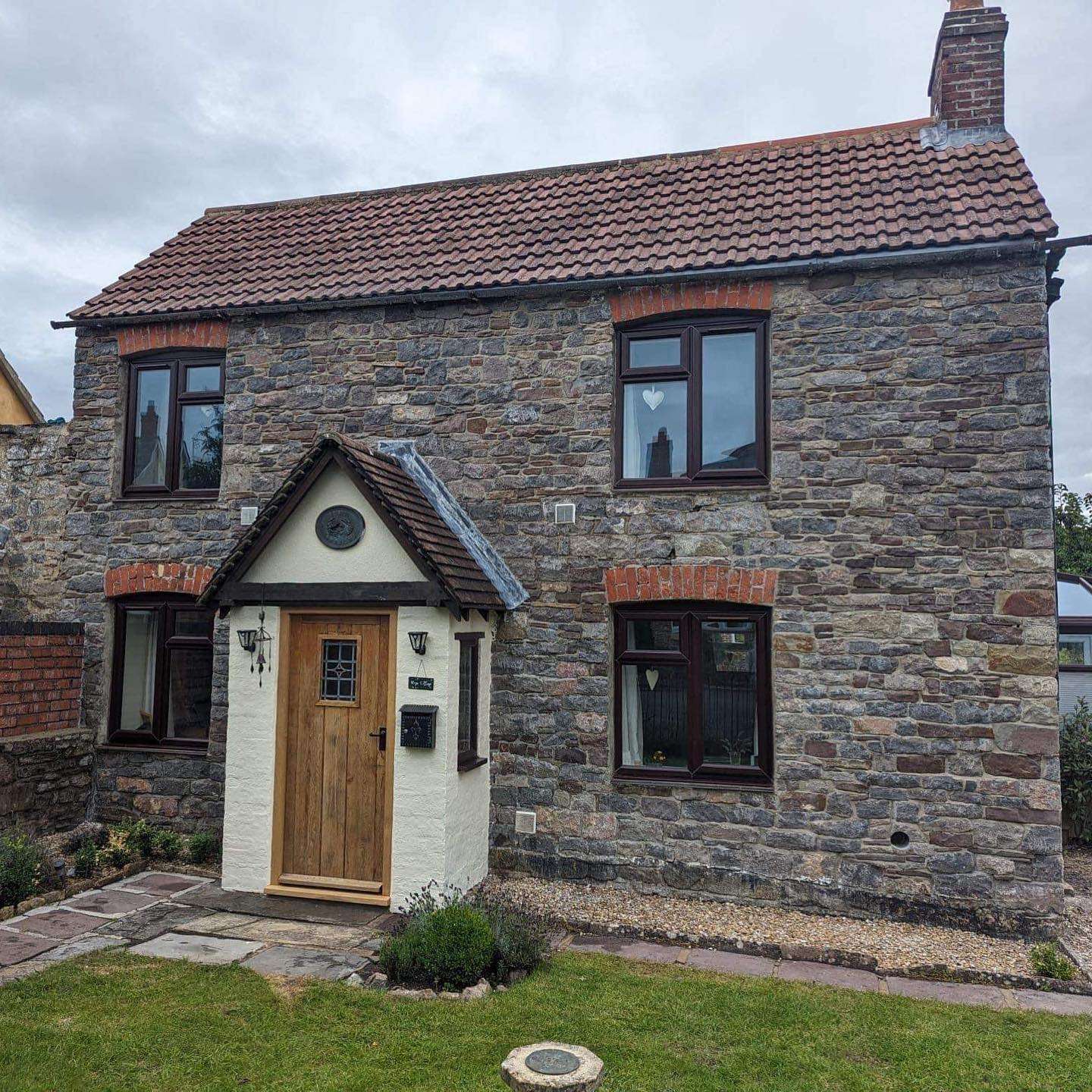 Internal Masonry
 Limestone
 Marble
 Metal Cladding
 Polished or Honed Stone
 Porcelain
 Render
 Resin Bond
 Road and Rail Signs
 Roof Tiles / Slates
 Sandstone
 Slate
Slate Solar Panels and Glass
 Stone Sills and Pier Caps
 Tarmac and Asphalt
 Gutters & UPVC
 Acid Damage
 Biofilm
 Bitumen
 Blood
Blood Carbon
 Concrete / Grout / Mortar
 Copper Oxide
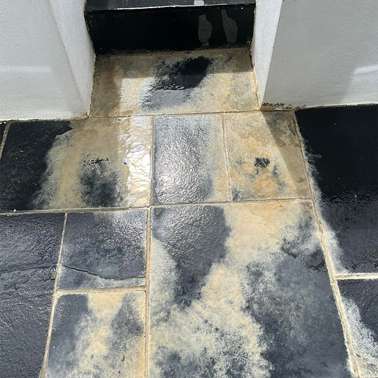 Efflorescence
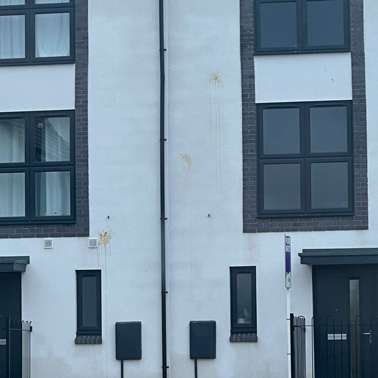 Egg
Egg Failed Sealer
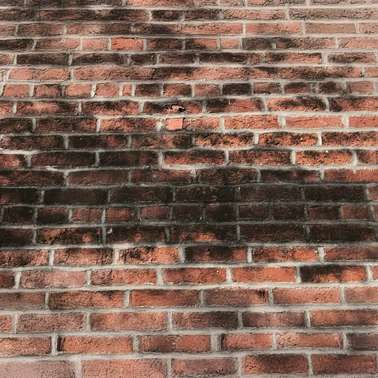 Fire Damage
 Fuel / Oil
 Graffiti
 Grease / Fat / Cooking Oil
 Lawn Fertiliser
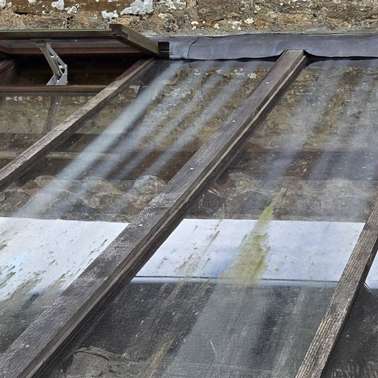 Lead Carbonate
 Lead Oxide
 Paint Splashes
 Rust
Rust Tar & Glue
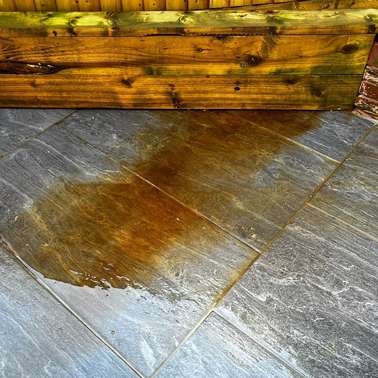 Tannin Removers
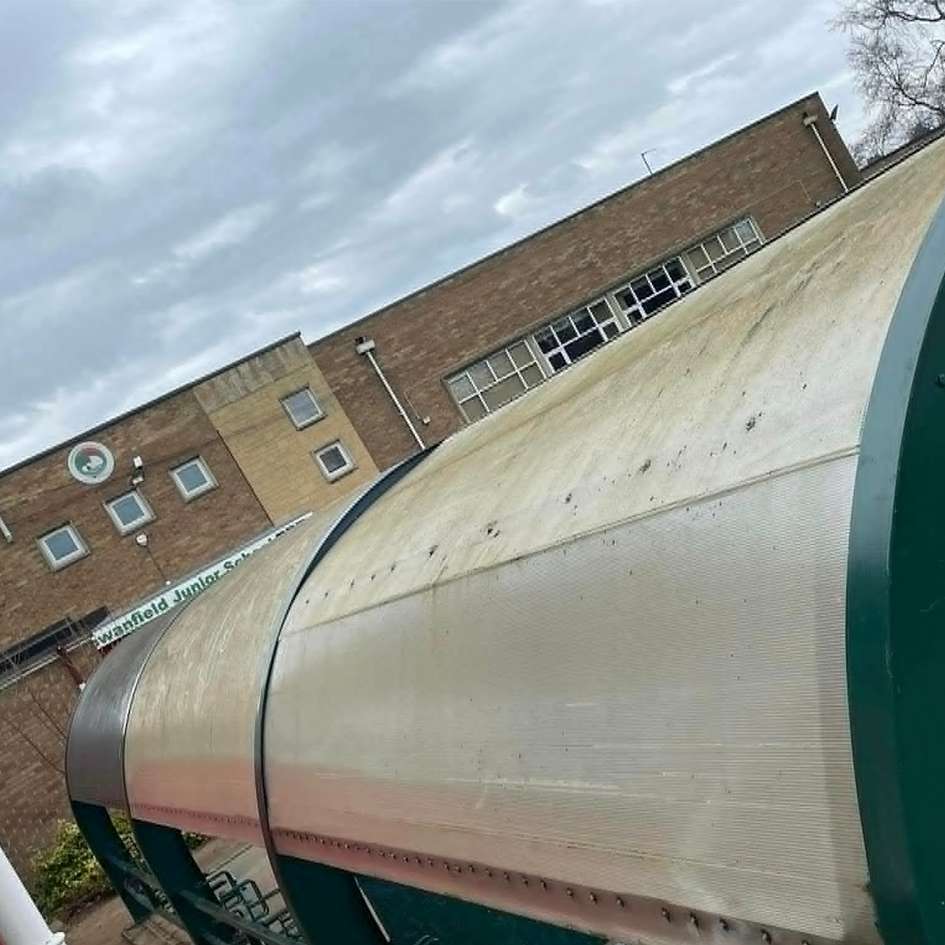 Traffic Film Removers
 Trapped Moisture / Sealer Repairs
 Urine Neutralisers