Keeping a shopfront clean is one of the simplest yet most powerful ways to improve how a business is perceived. Before a customer even steps inside, the condition of the exterior sets expectations. Dirt, grime, algae, and pollution can quickly build up, especially in busy commercial areas across the UK.
Pressure washing is one of the most effective ways to restore shopfronts, but it must be done correctly. Different materials, signage, and structural features all require careful handling. Done properly, it can transform a tired exterior into a clean, professional, and welcoming frontage.
This guide explores the full process of cleaning shopfronts using pressure washing, along with best practices and the advantages of working with a specialist such as Pureseal Services.
Why Shopfront Cleaning Matters
A shopfront is more than just a building exterior. It’s part of your branding, marketing, and customer experience.
Creating a Strong First Impression
Customers often decide whether to enter a shop within seconds. A clean and well-maintained exterior signals professionalism, attention to detail, and quality.
Protecting Building Materials
Dirt, algae, and pollutants don’t just look bad. Over time, they can degrade surfaces such as render, brick, and metal fixtures. Regular pressure washing helps preserve these materials.
Improving Hygiene and Safety
Algae, mould, and grease can create slippery surfaces around entrances. Keeping these areas clean reduces the risk of accidents.
Types of Shopfront Surfaces
Different shopfront materials require different cleaning approaches. Understanding the surface type is essential before starting.
Glass Frontages
Glass is common in retail and needs a gentle approach. While pressure washing can be used around frames and surrounding areas, direct high pressure on glass should be avoided.
Aluminium and Metal Frames
Metal frames are durable but can become dull due to pollution and oxidation. Moderate pressure combined with the right detergents helps restore their appearance.
Rendered Surfaces
Render can be sensitive to high pressure. A soft washing approach is often more appropriate to prevent damage.
Brick and Stone
Brick and stone are robust but porous. They can absorb dirt and pollutants, requiring thorough cleaning with controlled pressure and suitable solutions.
Signage and Awnings
Shop signs and awnings vary widely in material. Care must be taken to avoid damaging graphics, fabrics, or electrical components.
Equipment Used for Shopfront Pressure Washing
Professional results rely heavily on using the right equipment.
Commercial Pressure Washers
Industrial machines provide consistent pressure and water flow, allowing effective cleaning without excessive force.
Adjustable Pressure Settings
Being able to control pressure is essential when working across different materials in a single shopfront.
Detergent Application Systems
Specialised cleaning solutions help break down dirt, grease, and organic growth before rinsing.
Soft Washing Systems
For delicate surfaces, soft washing uses low pressure combined with cleaning agents to safely remove contaminants.
Extension Lances
These allow access to higher areas without the need for scaffolding in many cases.
Step-by-Step Process for Cleaning Shopfronts
A professional approach ensures safe, effective, and consistent results.
Initial Assessment
Every job begins with a detailed inspection to identify:
Surface materials
Level of dirt and staining
Fragile areas
Electrical fixtures or signage
This determines the most suitable cleaning method.
Preparation
Preparation protects both the property and surrounding areas.
Remove or cover sensitive items
Protect electrical outlets and signage
Sweep away loose debris
Set up safety barriers if required
Application of Cleaning Solutions
Detergents or biocidal treatments are applied to loosen dirt, remove algae, and break down grease. These are left to dwell for optimal effectiveness.
Controlled Pressure Washing
Cleaning is carried out using the appropriate pressure level for each surface.
Lower pressure for delicate materials
Higher pressure for durable surfaces like brick
Even, consistent movements to avoid streaking
Detail Work
Edges, corners, and intricate areas are cleaned carefully to ensure a uniform finish.
Rinsing and Final Checks
The shopfront is thoroughly rinsed, and a final inspection ensures all areas meet the expected standard.
Common Shopfront Contaminants
Understanding what you’re removing helps determine the right approach.
Traffic Film
Urban environments expose shopfronts to vehicle emissions, leaving a grey or black film over time.
Algae and Mould
Damp conditions encourage organic growth, particularly on shaded surfaces.
Grease and Food Residue
Takeaways and restaurants often deal with grease build-up around entrances.
Dust and General Dirt
Everyday exposure leads to gradual build-up that dulls surfaces.
Chewing Gum and Stains
Entrances and pavements often suffer from stubborn stains that require targeted treatment.
Frequency of Shopfront Cleaning
Regular maintenance keeps your business looking its best.
Recommended Cleaning Intervals
Business Type
Suggested Frequency
Key Reason
Retail Shops
Every 1–3 months
High customer visibility
Restaurants & Cafés
Monthly
Grease and food residue
Offices
Every 3–6 months
Professional appearance
Shopping Centres
Monthly or more
Heavy foot traffic
More frequent cleaning may be required in high-traffic or polluted areas.
Benefits of Professional Pressure Washing
While it may be tempting to handle cleaning in-house, professional services deliver far superior results.
Consistent Quality
Professionals achieve an even, streak-free finish across all surfaces.
Time Efficiency
What might take hours or days internally can be completed quickly with the right equipment.
Reduced Risk of Damage
Incorrect pressure or techniques can damage surfaces. Experienced operators know how to avoid this.
Long-Term Savings
Regular professional cleaning reduces the need for repairs or repainting.
Health and Safety Considerations
Pressure washing involves high-powered equipment and must be handled responsibly.
Protecting the Public
Cleaning often takes place in busy areas. Barriers and signage help keep pedestrians safe.
Electrical Safety
Shopfronts often include lighting and signage that must be protected during cleaning.
Slip Hazards
Wet surfaces can become slippery. Proper management reduces risk during and after cleaning.
Environmental Responsibility
Modern pressure washing practices prioritise sustainability.
Water Usage
Efficient equipment minimises water consumption while maintaining cleaning power.
Eco-Friendly Chemicals
Biodegradable solutions are used wherever possible to reduce environmental impact.
Wastewater Management
Runoff is controlled to prevent pollutants from entering drainage systems.
Enhancing Results After Cleaning
Once a shopfront has been cleaned, additional steps can help maintain the finish.
Protective Coatings
Applying protective treatments can reduce the rate at which dirt builds up.
Routine Maintenance
Light, regular cleaning prevents heavy build-up between deep cleans.
Signage Refresh
Cleaning often reveals faded signage, which can then be updated for a complete refresh.
Common Mistakes to Avoid
Using Excessive Pressure
Too much force can damage render, loosen signage, or crack surfaces.
Ignoring Surface Differences
Each material requires a tailored approach. Treating everything the same leads to poor results.
Skipping Pre-Treatment
Without detergents, stubborn stains may remain even after pressure washing.
Inconsistent Cleaning
Uneven passes can leave visible streaks or patches.
Cost Considerations
Shopfront pressure washing is a premium service that reflects the level of care and expertise involved.
Factors That Influence Cost
Size of the shopfront
Type of materials
Level of contamination
Accessibility
Frequency of service
Pricing Overview
Factor
Cost Impact
Larger Frontage
Higher overall cost
Delicate Surfaces
Requires specialist techniques
Heavy Staining
Additional treatment needed
Regular Contracts
Better long-term value
Investing in high-quality cleaning ensures better results and longer-lasting cleanliness.
Integrating Shopfront Cleaning Into Business Operations
Cleaning should be planned to minimise disruption.
Scheduling Outside Business Hours
Early morning or evening cleaning avoids interfering with customers.
Coordinating With Other Maintenance
Combining shopfront cleaning with pavement or signage maintenance creates a cohesive appearance.
Building a Maintenance Routine
Regular cleaning schedules ensure the shopfront always looks its best.
Why Experience Makes the Difference
Shopfront cleaning may seem straightforward, but achieving a high-end finish requires skill and attention to detail.
Working with a trusted provider like Pureseal Services ensures every aspect is handled professionally. From selecting the right pressure levels to protecting delicate materials, experience plays a crucial role in delivering outstanding results.
A premium service doesn’t just clean the surface. It restores the overall appearance of the property, helping businesses stand out in competitive environments.
Dealing With Stubborn Stains on Shopfronts
Not all dirt is easy to remove with a standard wash. Shopfronts often develop stubborn stains that require more advanced techniques and a deeper understanding of surface care.
Oil and Grease Build-Up
Businesses such as cafés, takeaways, and restaurants frequently deal with grease deposits around entrances and windows. These stains can cling to surfaces and spread over time.
Professional pressure washing uses specialist degreasers combined with hot water to break down these residues effectively without damaging the underlying material.
Rust Stains
Metal fixtures, signage brackets, and water runoff can lead to rust stains forming on walls or paving. These stains are particularly noticeable on lighter surfaces and often require targeted chemical treatments before washing.
Paint and Graffiti
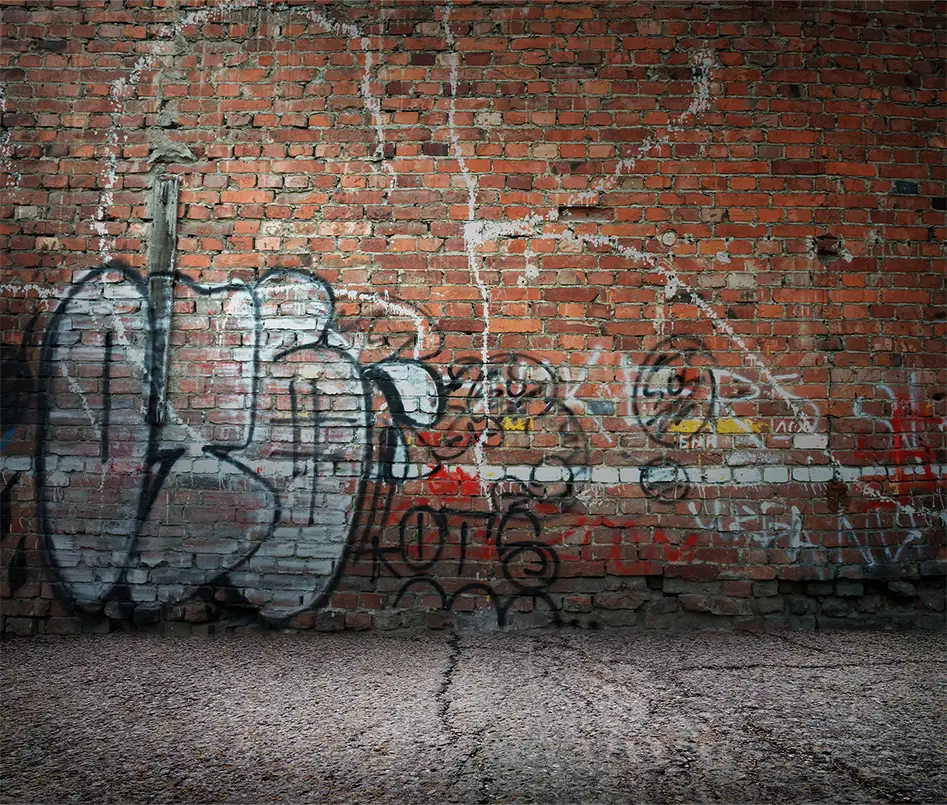
Graffiti is a common issue in busy areas. Removing it without damaging the surface underneath requires careful pressure control and the use of appropriate solvents. In some cases, anti-graffiti coatings can be applied after cleaning to make future removal easier.
Hard Water Marks
Water run-off can leave mineral deposits on glass and surrounding materials. These marks dull the appearance of a shopfront and require proper treatment to restore clarity and shine.
Cleaning Shopfronts in Busy Commercial Areas
High streets, retail parks, and city centres present unique challenges when it comes to pressure washing.
Managing Foot Traffic
Cleaning in busy areas requires careful planning to ensure public safety. Professional teams often work during quieter hours, such as early mornings, to minimise disruption.
Working Around Other Businesses
Shopfront cleaning often takes place alongside neighbouring businesses that remain open. This requires a controlled approach to prevent overspray and maintain a tidy working environment.
Noise Considerations
Pressure washing equipment can be loud, particularly in enclosed or narrow streets. Scheduling work at appropriate times helps reduce inconvenience.
Weather Conditions and Their Impact
The UK’s unpredictable weather can influence how and when shopfront cleaning should be carried out.
Rain and Moisture
While light rain does not necessarily prevent cleaning, heavy rain can reduce the effectiveness of detergents and make it harder to achieve a consistent finish.
Temperature Changes
Cold weather can affect how cleaning solutions perform, while very hot conditions may cause surfaces to dry too quickly, leading to streaking.
Wind
Strong winds can cause overspray, especially when working at height or using extension equipment. This is another reason why professional planning is essential.
Accessing Hard-to-Reach Areas
Shopfronts often include features that are not easily accessible, such as upper фасades, signage, or architectural details.
Use of Specialist Equipment
Extension poles, telescopic lances, and access platforms allow professionals to reach high or awkward areas safely.
Avoiding Damage
Working at height increases the risk of accidental damage. Experienced technicians ensure that pressure levels and angles are carefully controlled.
Comprehensive Cleaning
A complete clean includes not just the obvious areas but also ledges, trims, and hidden sections where dirt can accumulate over time.
The Role of Detergents in Pressure Washing
Water pressure alone is rarely enough to achieve a high-quality result. Cleaning solutions play a crucial role.
Breaking Down Contaminants
Detergents are designed to loosen dirt, grease, and organic growth, making them easier to remove during washing.
Reducing the Need for High Pressure
By doing much of the work chemically, detergents allow for lower pressure levels, which helps protect delicate surfaces.
Targeted Treatments
Different stains require different solutions. Using the correct product ensures better results and prevents unnecessary wear on the surface.
Maintaining Branding and Visual Appeal
A clean shopfront directly supports your brand image.
Consistency Across Locations
For businesses with multiple sites, maintaining a consistent level of cleanliness is essential. Regular pressure washing ensures all locations present the same high standard.
Highlighting Signage
Dirt can dull signage and reduce visibility. Cleaning helps colours appear more vibrant and lettering more legible.
Enhancing Lighting
Exterior lighting works more effectively when surfaces are clean, improving visibility during evening hours.
Long-Term Protection Strategies
Cleaning is only one part of maintaining a shopfront. Preventative measures can help extend the results.
Scheduled Maintenance Plans
Setting up a regular cleaning schedule prevents heavy build-up and keeps costs predictable.
Protective Coatings
Applying protective treatments can reduce staining and make future cleaning quicker and more effective.
Routine Inspections
Checking for early signs of staining or damage allows for prompt action before problems escalate.
Comparing Pressure Washing With Other Cleaning Methods
While pressure washing is highly effective, it’s useful to understand how it compares to other methods.
Method
Effectiveness
Suitable For
Limitations
Pressure Washing
High
Most exterior surfaces
Requires skill to avoid damage
Soft Washing
Medium-High
Delicate materials
Slower process
Manual Cleaning
Low-Medium
Small areas
Labour-intensive
Steam Cleaning
High
Grease and sanitisation
Specialist equipment required
In many cases, a combination of these methods delivers the best results.
Preparing Staff and Premises
Businesses can take simple steps to support the cleaning process.
Clearing the Area
Removing outdoor displays, signage boards, and obstacles allows for a more thorough clean.
Communicating With Staff
Ensuring staff are aware of cleaning schedules helps avoid disruption and ensures smooth access.
Protecting Sensitive Items
Items such as electrical fittings or decorative features should be identified in advance so they can be properly protected.
Measuring the Success of Shopfront Cleaning
It’s not just about how the shopfront looks immediately after cleaning. Long-term results matter just as much.
Visual Impact
A noticeable improvement in brightness and cleanliness is the most immediate indicator of success.
Customer Response
Cleaner premises can positively influence customer perception and footfall.
Reduced Maintenance Issues
Regular cleaning helps prevent long-term problems such as staining, corrosion, or structural wear.
The Value of a Premium Service
Choosing a high-quality provider ensures that every aspect of the job is handled with care and precision.
Working with a specialist like Pureseal Services means benefiting from experience, professional equipment, and a tailored approach to each project. This level of service goes beyond basic cleaning, delivering results that enhance both the appearance and longevity of your shopfront.
Premium services often involve a higher initial investment, but the long-term benefits in terms of durability, reduced repairs, and improved presentation make it a worthwhile decision for any business.
Building a Professional Image Through Cleanliness
In competitive commercial environments, small details can make a significant difference. A clean, well-maintained shopfront reflects positively on your business and helps build trust with customers.
Pressure washing provides a reliable and effective way to maintain this standard. When carried out regularly and professionally, it ensures that your premises always look inviting, safe, and aligned with the quality of your brand.
Conclusion
Clean shopfronts play a direct role in how a business is perceived and how confidently customers choose to walk through the door. Over time, everyday exposure to traffic pollution, weather, spills, and general footfall naturally dulls exterior surfaces. Without regular maintenance, even well-designed shopfronts can start to look tired and neglected.
Pressure washing offers a practical way to reverse that build-up and restore a clean, consistent appearance across glass, brick, render, metalwork, and signage. When carried out with the right approach, it removes more than surface dirt. It helps protect materials, reduces long-term wear, and keeps entrances safer and more presentable throughout the year.
The key difference between a basic clean and a professional finish comes down to control and experience. Matching the correct pressure to each surface, using the right pre-treatment, and managing runoff properly all matter just as much as the wash itself. Done poorly, it can cause damage or patchy results. Done properly, it delivers a noticeable transformation that supports the overall image of the business.
For commercial properties where presentation matters, maintaining a regular cleaning schedule is just as important as any other aspect of upkeep. It keeps standards consistent, reduces deep staining over time, and ensures the shopfront continues to reflect the quality inside the premises.

 Artificial and Sports Surfaces
 Awnings / Canopies / Gazebos
 Block Paving
 Brickwork
 Composite Surfaces
 Decking / Timber
 Granite
 Imprinted Concrete
 Internal Masonry
 Limestone
 Marble
 Metal Cladding
 Polished or Honed Stone
 Porcelain
 Render
 Resin Bond
 Road and Rail Signs
 Roof Tiles / Slates
 Sandstone
 Slate
Slate Solar Panels and Glass
 Stone Sills and Pier Caps
 Tarmac and Asphalt
 Gutters & UPVC
 Acid Damage
 Biofilm
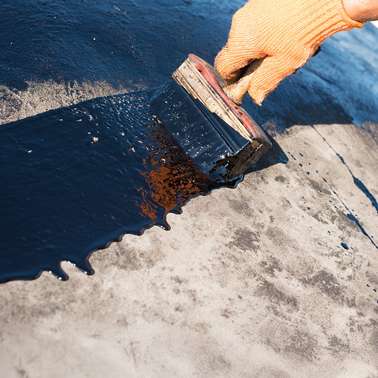 Bitumen
 Blood
Blood Carbon
 Concrete / Grout / Mortar
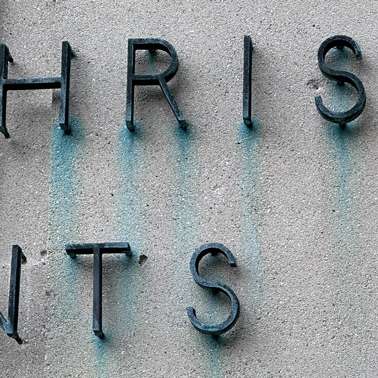 Copper Oxide
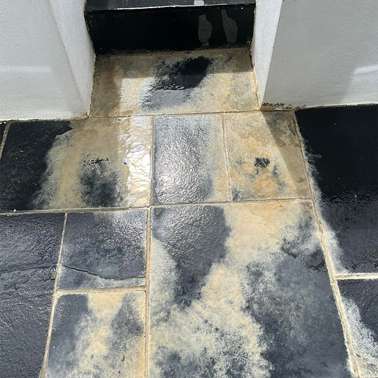 Efflorescence
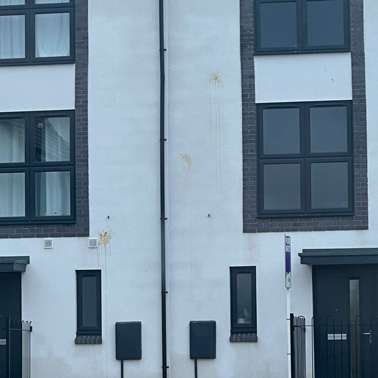 Egg
Egg Failed Sealer
 Fire Damage
 Fuel / Oil
 Graffiti
 Grease / Fat / Cooking Oil
 Lawn Fertiliser
 Lead Carbonate
 Lead Oxide
 Paint Splashes
 Rust
Rust Tar & Glue
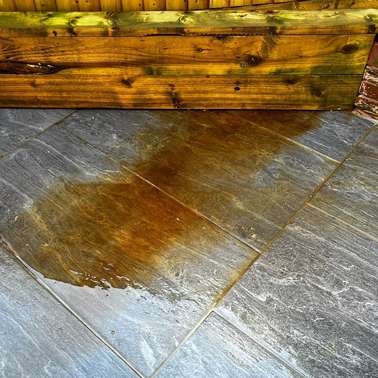 Tannin Removers
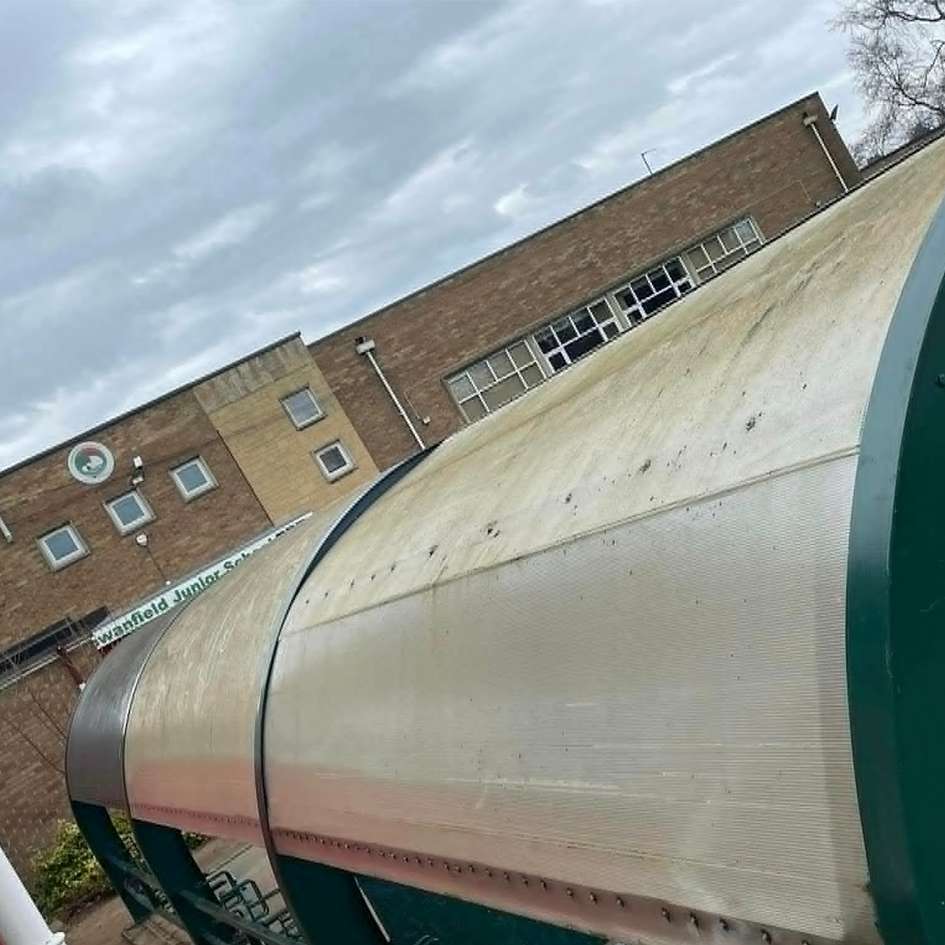 Traffic Film Removers
 Trapped Moisture / Sealer Repairs
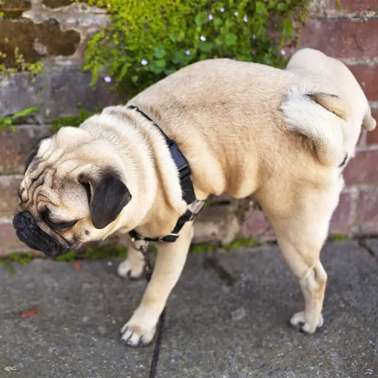 Urine Neutralisers