Choosing a commercial pressure washer is not as simple as picking the most powerful machine on the market. In practice, the right choice depends on the type of work you carry out, how often the equipment is used, and the level of finish you need to achieve. A machine that is perfect for light commercial use may struggle in heavy industrial environments, while an oversized unit can be inefficient and unnecessarily expensive for smaller jobs.
At Pureseal Services, equipment selection is approached with precision. The aim is always to match performance with the demands of the surface, rather than relying on brute force alone.
Understanding What Makes a Pressure Washer “Commercial”
Key Differences from Domestic Machines
Commercial pressure washers are designed for frequent, sustained use. Unlike domestic units, they are built to handle longer run times, higher workloads, and tougher cleaning environments.
The main differences include:
Higher water flow rates
Stronger internal components
Longer motor and pump life
Better heat resistance
More durable frames and fittings
These machines are designed to be used daily, not occasionally.
Typical Performance Range
Commercial machines vary significantly depending on application. Below is a general guide to performance levels.
Category
PSI Range
LPM (Flow Rate)
Typical Use
Light commercial
1300–2000 PSI
6–8 LPM
Small shops, light maintenance
Medium commercial
2000–3000 PSI
8–12 LPM
Contractors, exterior cleaning
Heavy commercial
3000–5000 PSI
12–21 LPM
Industrial, large-scale cleaning
Industrial
5000+ PSI
21+ LPM
Specialist heavy-duty work
Higher numbers do not automatically mean better results. The balance between pressure and flow is what determines cleaning efficiency.
Key Factors When Choosing a Commercial Pressure Washer
1. Pressure vs Water Flow
One of the most misunderstood aspects of pressure washers is the difference between PSI and flow rate.
PSI (pressure) determines force
LPM (flow rate) determines coverage and rinsing ability
A machine with high PSI but low flow can cut through dirt but struggle to rinse it away effectively. On the other hand, a balanced system with strong flow often produces faster and more consistent results.
Factor
Impact on Cleaning
High PSI
Strong targeted cleaning
High LPM
Faster rinsing and coverage
Balanced system
Professional finish and efficiency
In commercial environments, flow rate is often more important than raw pressure.
2. Hot Water vs Cold Water Machines
Commercial pressure washers are available in both hot and cold water versions.
Cold Water Machines
Cold water systems rely solely on pressure and detergents to remove dirt.
Best suited for:
Driveways
Patios
General exterior cleaning
Construction site cleaning
They are typically more affordable and easier to maintain.
Hot Water Machines
Hot water pressure washers use heated water to break down grease, oil, and heavy contamination.
Best suited for:
Industrial equipment
Commercial kitchens
Vehicle fleets
Oil-stained surfaces
Feature
Cold Water
Hot Water
Initial cost
Lower
Higher
Cleaning power
Moderate
High
Grease removal
Limited
Excellent
Maintenance
Simpler
More complex
Hot water units are significantly more expensive, often placing them at the higher end of commercial investment.
3. Power Source Options
Commercial pressure washers can be powered in different ways depending on location and use.
Electric Models
Quiet operation
Lower running costs
Ideal for indoor or urban environments
Petrol or Diesel Models
Greater mobility
Higher power output
Suitable for remote or large outdoor sites
Power Type
Advantages
Limitations
Electric
Low maintenance, quiet
Requires power supply
Petrol
Portable, strong output
Noise, fuel cost
Diesel
Very powerful, long runtime
Heavier, higher cost
At the higher end of commercial use, diesel hot water systems are often preferred due to their reliability and performance.
Choosing Based on Cleaning Application
Exterior Cleaning and Property Maintenance
For commercial exterior cleaning work such as driveways, patios, and building facades, the machine needs to balance pressure and flow carefully.
Recommended setup:
Medium to high flow rate
2000–3000 PSI range
Cold water system with detergent support
Task
Recommended Specification
Driveways
Medium-high pressure, high flow
Patios
Medium pressure, balanced flow
Render
Lower pressure, controlled application
In professional services like Pureseal Services, equipment is often configured to prioritise surface safety over maximum pressure output.
Construction and Site Cleaning
Construction environments require robust machines that can handle mud, dust, cement residue, and heavy debris.
Recommended setup:
High PSI (3000+)
High flow rate
Durable frame and fittings
These machines are designed for continuous use and rough handling.
Industrial and Fleet Cleaning
For vehicles, machinery, and industrial equipment, hot water systems become far more effective.
Requirement
Ideal Machine Type
Grease removal
Hot water pressure washer
Large vehicle fleets
High flow system
Heavy contamination
Diesel-powered unit
Hot water significantly reduces cleaning time and chemical usage.
Understanding Build Quality
Pump Type and Durability
The pump is the most important component in any commercial pressure washer.
Common pump types include:
Axial pumps (light use)
Triplex pumps (commercial standard)
Ceramic-plunger pumps (heavy-duty use)
Triplex pumps are the most widely used in commercial environments due to their durability and service life.
Frame Construction
Commercial machines are often exposed to harsh conditions, so frame quality matters.
Key considerations:
Steel or reinforced frames
Corrosion resistance
Impact protection
Higher-end machines typically use powder-coated steel frames for long-term durability.
Hose and Fittings
In commercial environments, weak fittings can become a major failure point.
Component
Importance
Hose quality
Prevents leaks and bursts
Couplings
Ensures secure connection
Trigger guns
Controls safety and flow
Industrial-grade fittings are essential for reliability under pressure.
Cost Expectations for Commercial Pressure Washers
Entry-Level Commercial Machines
These are suitable for light, occasional commercial use.
Price range: £400–£900
Basic performance
Limited runtime
They are not ideal for full-time professional use.
Mid-Range Commercial Machines
This category suits most professional cleaning companies.
Price range: £900–£2,500
Balanced pressure and flow
Better build quality
These machines offer a strong balance of performance and reliability.
High-End Commercial Machines
These are designed for full-time, heavy-duty use.
Price range: £2,500–£6,000+
High flow rates
Industrial-grade components
Category
Price Range
Target User
Entry commercial
£400–£900
Light users
Mid-range
£900–£2,500
Contractors
Premium
£2,500–£6,000+
Professional operators
At the higher end, machines used by established companies like Pureseal Services sit in the premium category due to their reliability and performance consistency.
Matching Machine Size to Business Needs
Small Commercial Operators
For businesses handling occasional jobs, a compact electric unit is often sufficient.
Best features:
Moderate pressure
Easy transport
Low maintenance
Growing Cleaning Businesses
For expanding operations, a mid-range machine provides flexibility across multiple job types.
Best features:
Higher flow rate
Better durability
Compatibility with accessories
Established Professional Services
For full-scale operations, high-end machines are essential.
Requirements include:
Continuous daily use
High output performance
Long service life
Reliable hot water capability where needed
These machines support demanding schedules and consistent service delivery.
Common Mistakes When Choosing a Commercial Pressure Washer
Focusing Only on PSI
Many buyers assume higher PSI equals better performance. In reality, flow rate and overall system balance matter more.
Underestimating Usage Frequency
A machine that works well once or twice a week may fail quickly under daily professional use.
Electric machines are often chosen for convenience but may not be suitable for remote or large-scale work.
Practical Comparison of Machine Types
Feature
Light Commercial
Mid Commercial
Heavy Commercial
PSI
Low-medium
Medium-high
High
Flow rate
Low
Medium
High
Durability
Basic
Strong
Industrial
Ideal use
Small jobs
General contracting
Large-scale work
Cost level
Lower
Moderate
High
Why Equipment Choice Affects Service Quality
The quality of a commercial pressure washer directly impacts the final result of any cleaning job. A well-balanced machine allows for:
Faster cleaning times
More consistent finishes
Reduced surface damage risk
Lower chemical dependency
Poor equipment choice often leads to longer job times, inconsistent results, and unnecessary wear on surfaces.
Professional Standards in Commercial Cleaning
At a professional level, equipment selection is not just about capability, but control. The ability to adjust pressure, manage flow, and match output to surface type is what separates basic cleaning from high-end results.
At Pureseal Services, commercial-grade machines are selected specifically for performance consistency, reliability under pressure, and the ability to deliver a controlled finish across a wide range of surfaces and environments.
Real-World Performance Considerations
Choosing a commercial pressure washer on paper is one thing. Understanding how it behaves on site is where the real decision-making happens. Two machines with similar PSI ratings can perform very differently once you start working across patios, driveways, cladding, or industrial flooring.
The reason comes down to how well the system maintains pressure under load, how quickly it recovers, and how efficiently it handles continuous operation.
Pressure Stability Under Continuous Use
In commercial cleaning, machines rarely run for a few minutes at a time. They are often used in long cycles, sometimes for several hours in a day.
A key performance factor is whether the machine can hold consistent pressure without dropping when:
Using longer hoses
Working at height
Running multiple attachments
Switching between spray patterns
Lower quality units tend to fluctuate under load, which leads to uneven cleaning results. Higher-end commercial machines are engineered to maintain steady output even during demanding work.
Heat Build-Up and Duty Cycle
Duty cycle refers to how long a machine can operate before needing a break.
Machine Grade
Typical Duty Cycle
Practical Use
Light commercial
1–2 hours
Short jobs, occasional use
Mid-range commercial
3–5 hours
Standard contractor work
Heavy commercial
6–10+ hours
Full-day professional use
Overheating is one of the main causes of pump failure. Machines that are not designed for continuous use often lose efficiency or shut down during extended cleaning sessions.
Real Flow Rate vs Advertised Flow
Another important consideration is that advertised flow rates are often measured under ideal conditions. In real-world use, fittings, hose length, and nozzle choice all affect output.
A professional-grade system is designed to minimise these losses.
Factor
Effect on Performance
Long hose runs
Reduced pressure at nozzle
Undersized fittings
Flow restriction
Incorrect nozzle
Inefficient spray pattern
Worn pump
Reduced overall output
This is why experienced operators often prioritise real-world consistency over headline specifications.
Matching Accessories to Commercial Machines
A pressure washer is only as effective as the accessories it is paired with. In commercial environments, accessories are not optional extras, they are essential tools that influence speed, safety, and finish quality.
Lances and Trigger Guns
The lance and trigger gun control how the water is delivered. In commercial use, these components must withstand repeated daily operation.
Key considerations include:
Heat resistance
Trigger durability
Grip comfort during long use
Compatibility with multiple nozzles
Component
Importance in Commercial Use
Trigger gun
Safety and flow control
Lance length
Reach and surface control
Quick-connect fittings
Efficiency during nozzle changes
Poor-quality triggers often fail before the main machine, especially under heavy use.
Hose Length and Quality
Hose selection is critical in commercial cleaning. A longer hose provides flexibility, but it must be balanced against pressure loss.
Typical commercial hose ranges:
Hose Length
Best Use Case
10–15 metres
Small residential jobs
20–30 metres
Standard commercial cleaning
40–60 metres
Large properties, industrial sites
High-quality reinforced hoses are essential for preventing bursts, especially when working at higher pressures.
Surface Cleaners
Surface cleaners are widely used in commercial environments for flat areas such as:
Driveways
Car parks
Patios
Walkways
They provide a more uniform finish compared to a standard lance by distributing pressure evenly across rotating jets.
Advantages include:
Faster cleaning times
Reduced streaking
Lower operator fatigue
More consistent finish quality
For large-scale jobs, they are often more efficient than traditional nozzle use alone.
Environmental and Water Usage Considerations
Commercial pressure washers use significant volumes of water, so efficiency is an important factor, especially for businesses managing multiple jobs per day.
Water Consumption Rates
Machine Type
Average LPM
Practical Impact
Light commercial
6–8 LPM
Low water usage
Mid-range
8–12 LPM
Balanced efficiency
Heavy-duty
12–21 LPM
High output, fast cleaning
Higher flow rates reduce cleaning time, which can offset increased water consumption through efficiency gains.
Detergent Efficiency
A well-balanced commercial system reduces reliance on chemicals by using appropriate pressure and flow combinations.
However, in many cases, detergents are still necessary, particularly for:
Organic growth
Oil stains
Traffic film
Weathered surfaces
Hot water machines further reduce chemical dependency by breaking down contaminants more effectively at source.
Environmental Efficiency in Practice
Professional operators often focus on:
Minimising repeat passes
Using correct nozzle selection
Applying pre-treatment correctly
Avoiding excessive water use
These practices not only improve efficiency but also reduce environmental impact.
Noise Levels and Operating Conditions
Commercial pressure washers vary significantly in noise output depending on power source and build quality.
Typical Noise Levels
Machine Type
Noise Level
Suitable Environment
Electric cold water
Low
Residential areas
Petrol units
Medium-high
Outdoor sites
Diesel hot water
High
Industrial environments
Noise becomes an important consideration when working in residential or urban areas, particularly during early hours or regulated time periods.
Transportability and Job Site Mobility
Commercial cleaning often requires moving equipment between multiple locations in a single day.
Weight and Portability Factors
Key design considerations include:
Wheel quality
Frame balance
Handle design
Overall weight distribution
Machine Type
Portability Level
Notes
Compact electric
High
Easy loading and movement
Mid-range units
Moderate
Requires vehicle transport
Heavy-duty systems
Low
Often van-mounted or trailer-based
Larger machines often trade portability for performance, especially in hot water systems.
Van-Mounted Systems
At the higher end of commercial cleaning, many professionals use van-mounted pressure washer systems.
These setups offer:
Onboard water tanks
Integrated hot water units
Secure storage
Faster setup times
They are typically used by established operators handling high volumes of work daily.
Serviceability and Long-Term Ownership Costs
The purchase price of a commercial pressure washer is only part of the total cost. Maintenance and servicing play a major role in long-term value.
Machines that are well maintained can last many years even under heavy use.
Cost of Ownership
Cost Type
Entry Level
Mid Range
High End
Purchase cost
Low
Moderate
High
Maintenance
Low
Moderate
Higher but longer intervals
Lifespan
Short
Medium
Long
Downtime risk
Higher
Moderate
Low
Higher-end machines often cost more initially but deliver better reliability and lower downtime, which is critical in professional operations.
Matching Machine Choice to Business Growth
Start-Up Level Operations
Smaller operators often begin with compact systems that allow flexibility without major investment.
Focus areas:
Basic reliability
Simple maintenance
Lower initial cost
Established Cleaning Businesses
At this stage, consistency becomes more important than entry cost.
Key requirements:
Reliable daily performance
Ability to handle varied jobs
Strong support for accessories
High-Volume Professional Operations
For established services handling multiple jobs per day, equipment becomes a core business asset.
Essential features include:
High durability under continuous use
Strong flow rates for efficiency
Hot water capability for specialist work
Minimal downtime risk
At this level, equipment decisions directly impact service quality and scheduling capacity.
Operational Strategy in Commercial Cleaning
A commercial pressure washer is rarely used in isolation. It forms part of a wider operational approach that includes planning, surface assessment, and method selection.
Pre-Job Assessment
Before any equipment is used, professionals evaluate:
Surface type
Level of contamination
Access restrictions
Water availability
Environmental constraints
This determines both machine setup and accessory selection.
Adaptive Cleaning Approach
Rather than relying on a single configuration, professional cleaning involves adapting:
Pressure settings
Nozzle types
Chemical usage
Water temperature
This flexibility ensures better results across varied conditions.
Efficiency Through Process
Efficient commercial cleaning is built on repetition of a structured workflow:
Site assessment
Equipment setup
Pre-treatment application
Controlled cleaning phase
Final rinse and inspection
Each stage is designed to maximise output while protecting surfaces.
Professional-Grade Expectations
In higher-end commercial environments, expectations go beyond basic cleaning performance. Equipment must deliver:
Consistency across repeated jobs
Predictable output under load
Compatibility with a wide range of surfaces
Low failure rates under continuous use
This is where premium commercial machines stand apart from lower-cost alternatives.
At Pureseal Services, equipment is selected and maintained to meet these standards consistently, ensuring reliable results across demanding workloads and varied environments.

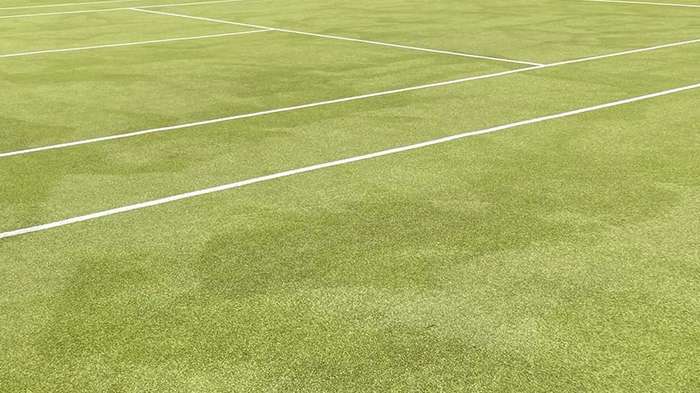 Artificial and Sports Surfaces
 Awnings / Canopies / Gazebos
 Block Paving
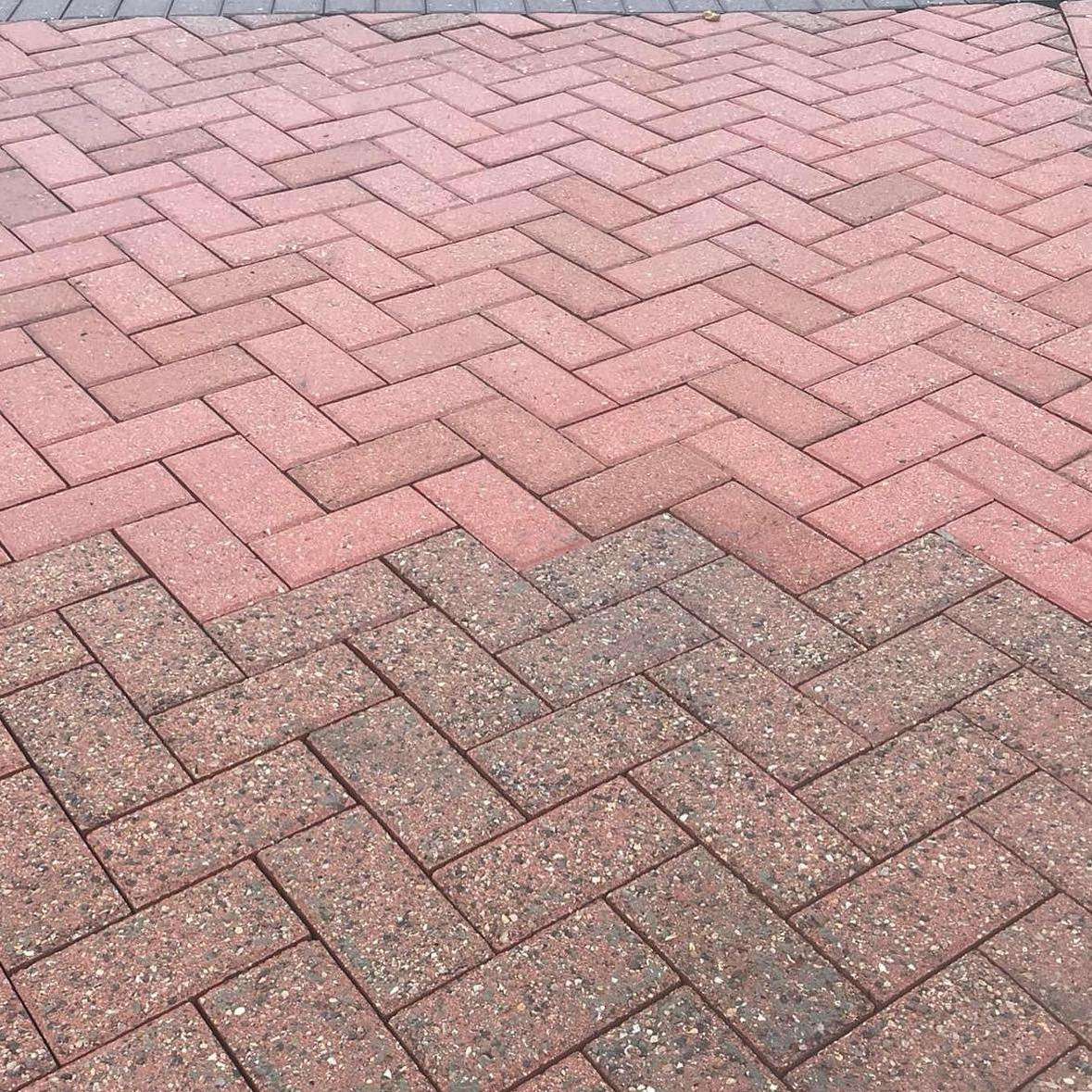 Brickwork
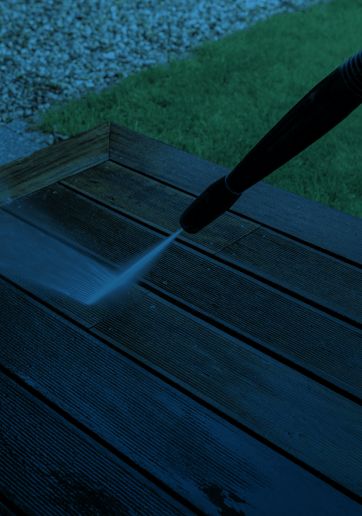 Composite Surfaces
 Decking / Timber
 Granite
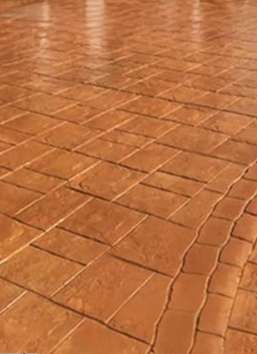 Imprinted Concrete
 Internal Masonry
 Limestone
 Marble
 Metal Cladding
 Polished or Honed Stone
 Porcelain
 Render
 Resin Bond
 Road and Rail Signs
 Roof Tiles / Slates
 Sandstone
 Slate
Slate Solar Panels and Glass
 Stone Sills and Pier Caps
 Tarmac and Asphalt
 Gutters & UPVC
 Acid Damage
 Biofilm
 Bitumen
 Blood
Blood Carbon
 Concrete / Grout / Mortar
 Copper Oxide
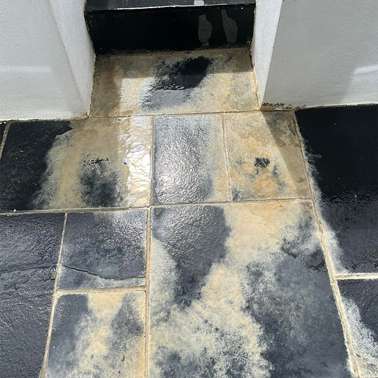 Efflorescence
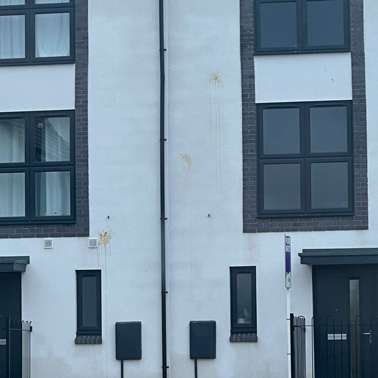 Egg
Egg Failed Sealer
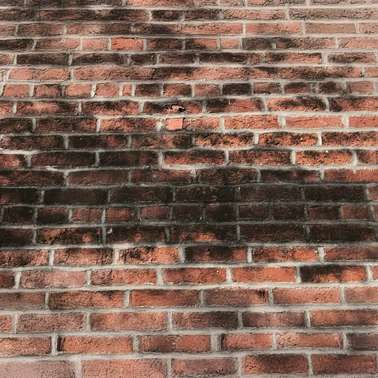 Fire Damage
 Fuel / Oil
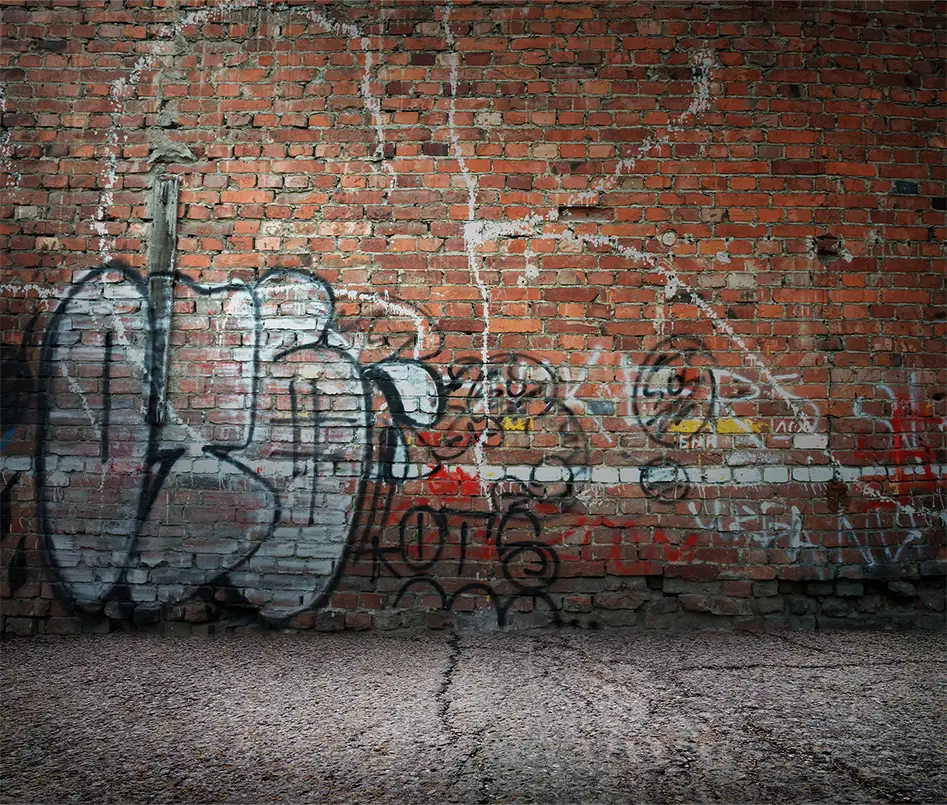 Graffiti
 Grease / Fat / Cooking Oil
 Lawn Fertiliser
 Lead Carbonate
 Lead Oxide
 Paint Splashes
 Rust
Rust Tar & Glue
 Tannin Removers
 Traffic Film Removers
 Trapped Moisture / Sealer Repairs
 Urine Neutralisers