
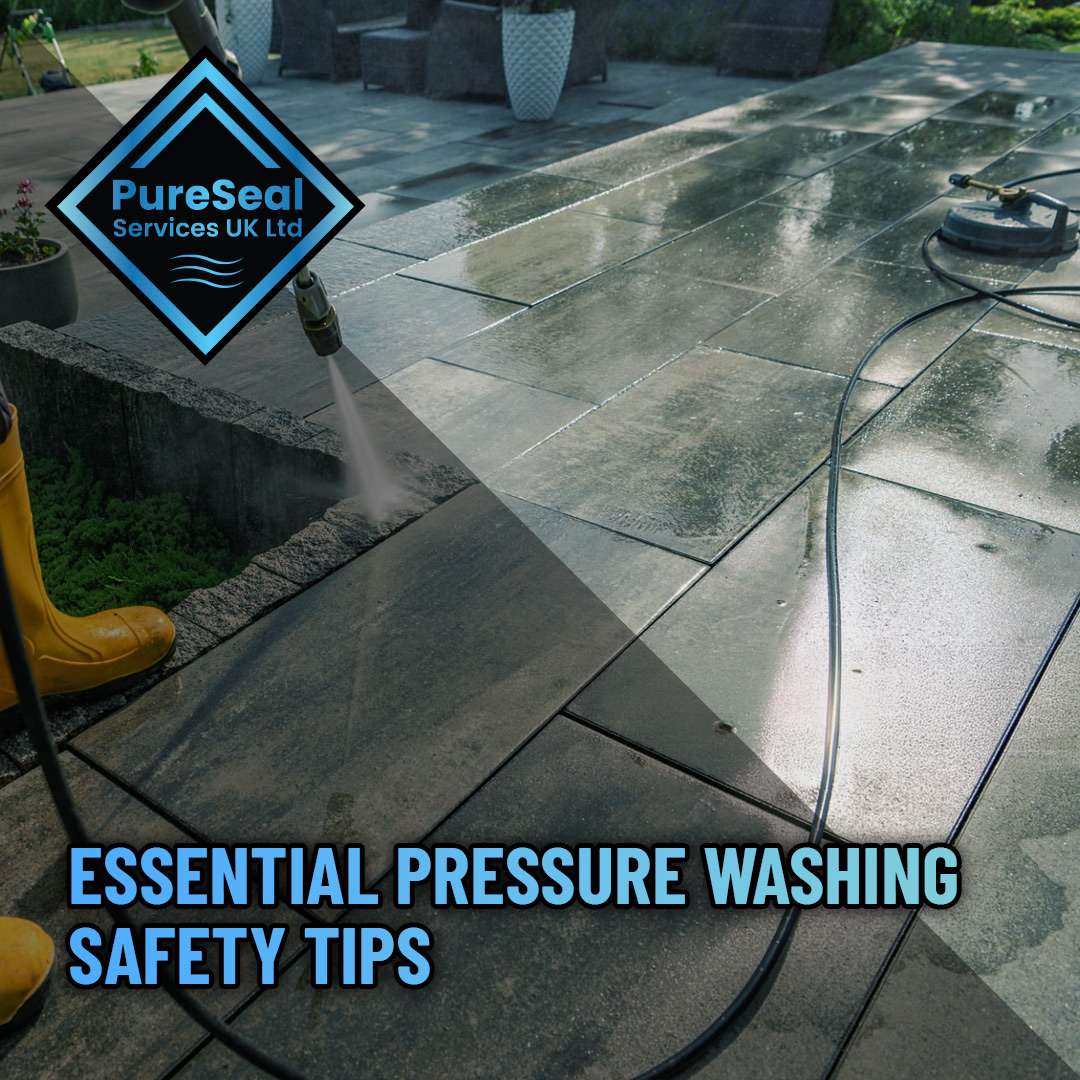
Essential Pressure Washing Safety Tips
Written by PureSeal Services on . Posted in Pressure Washing, Blog
Pressure washing is one of the fastest and most effective ways to clean driveways, patios, vehicles, brickwork, decking, and exterior walls. However, it is also a powerful industrial-grade process that can cause severe injury, property damage, or costly mistakes if handled carelessly. The intense force of high-pressure water can cut skin, shatter glass, damage materials, and even cause electric shock.
Whether you are a homeowner tackling weekend maintenance or a professional running a cleaning business, understanding safety fundamentals is absolutely essential. Using proper techniques, protective equipment, and quality cleaning products — such as those available from https://puresealservices.co.uk/ — dramatically reduces risk while improving results.
Why Pressure Washing Can Be Dangerous
A pressure washer typically operates between 1,300 and 3,000 PSI (pounds per square inch), though commercial units can exceed this. That level of force is more than enough to:
-
Penetrate skin and muscle tissue
-
Launch debris at high speed
-
Cause falls due to recoil or slippery surfaces
-
Trigger electric shock near wiring or sockets
-
Damage fragile surfaces or fixtures
High-pressure spray injuries may appear minor initially but can lead to serious infection or disability if untreated.
Personal Protective Equipment (PPE)
Never operate a pressure washer without proper protection. Most accidents occur when users underestimate the tool.
Essential PPE Checklist
| Equipment | Why It Matters |
|---|---|
| Safety goggles | Protect eyes from debris and spray |
| Heavy-duty gloves | Improve grip and shield hands |
| Steel-toe or sturdy boots | Prevent foot injuries |
| Long sleeves & trousers | Reduce skin exposure |
| Hearing protection | Mitigate noise damage |
Hands, feet, and eyes are the most commonly injured areas. Wearing suitable gear can prevent the majority of accidents.
Rubber-soled footwear is especially important when using electric machines, as it provides insulation against shock.
Preparing the Work Area
Good preparation dramatically improves safety and efficiency.
Clear Potential Hazards
Before starting:
-
Remove toys, tools, and loose objects
-
Move vehicles and outdoor furniture
-
Cover delicate plants or fixtures
-
Ensure pets and children are indoors
-
Check for trip hazards and uneven ground
Clearing the area prevents debris from becoming airborne projectiles and reduces the risk of falls.
Assess Environmental Conditions
Avoid pressure washing when:
-
It is raining heavily
-
Strong winds reduce control
-
Surfaces are icy or extremely slippery
-
Visibility is poor
Operating in unsafe weather conditions increases the likelihood of accidents and equipment malfunction.
Safe Operation Techniques
Maintain Control at All Times
Always hold the spray wand with both hands. The recoil from high pressure can cause sudden loss of control, especially when using narrow nozzles.
Never overreach — reposition yourself instead.
Never Aim at People or Animals
Even a brief burst can cause severe injury. Always treat the nozzle as you would a loaded power tool.
-
Do not point at yourself
-
Keep distance from bystanders
-
Prevent pets from entering the area
-
Never allow children to operate the machine
Serious wounds can occur even without obvious external damage.
Electrical Safety
Electric pressure washers present unique hazards because water and electricity are a dangerous combination.
Essential Electrical Precautions
-
Use a properly grounded outlet
-
Test RCD/GFCI protection before use
-
Keep plugs and connections dry
-
Use outdoor-rated extension leads only
-
Keep cables away from water runoff
If spraying near sockets or appliances, ensure they are covered and never spray directly at them.
Fuel-Powered Washer Safety
Petrol-driven machines require additional caution.
Carbon Monoxide Risk
Never use petrol pressure washers indoors or in enclosed spaces. Engines produce carbon monoxide — an odourless, deadly gas.
Keep machines well away from doors, windows, and air intakes.
Choosing the Right Pressure and Nozzle
Using excessive pressure is a common mistake that damages surfaces and increases injury risk.
General Nozzle Guide
| Nozzle Type | Spray Angle | Typical Use | Risk Level |
|---|---|---|---|
| Red | 0° | Heavy stains on concrete | Very high |
| Yellow | 15° | Tough surfaces | High |
| Green | 25° | General cleaning | Moderate |
| White | 40° | Vehicles, delicate areas | Lower |
| Black | 65° | Soap application | Low |
Start with the lowest pressure and increase only if necessary.
Always test on a hidden area first to prevent damage.
Maintaining Safe Distance
Standing too close can cause surface damage or injury.
Best practice:
-
Begin from a greater distance
-
Move closer gradually
-
Keep nozzle moving continuously
-
Avoid focusing on one spot
High pressure concentrated in one area can strip paint, erode mortar, or gouge wood.
Working at Height
Pressure washing roofs or upper walls is particularly hazardous.
Why Ladders Are Dangerous
The backward force of the spray can destabilise you, leading to falls.
Safer alternatives include:
-
Telescopic lances
-
Ground-based cleaning systems
-
Professional assistance for high structures
Avoid unstable positions whenever possible.
Handling Chemicals Safely
Many cleaning tasks require detergents or specialised solutions.
Chemical Safety Tips
-
Follow dilution instructions carefully
-
Wear gloves and eye protection
-
Avoid mixing incompatible products
-
Rinse surfaces thoroughly after use
-
Prevent runoff into drains or soil
Using high-quality products — such as those supplied by https://puresealservices.co.uk/ — helps achieve effective cleaning while minimising risk to surfaces and the environment.
Preventing Slips and Falls
Water overspray quickly creates slick surfaces.
Reduce Slip Risk
-
Wear non-slip footwear
-
Work methodically in sections
-
Avoid walking on freshly cleaned areas
-
Use warning signs in public areas
Maintain secure footing at all times to prevent injury.
Equipment Inspection and Maintenance
Faulty equipment is a major cause of accidents.
Pre-Use Checklist
| Component | What to Check |
|---|---|
| Hoses | Cracks, leaks, loose fittings |
| Spray gun | Trigger function & safety lock |
| Power cord | Damage or fraying |
| Connections | Secure and watertight |
| Water supply | Adequate flow |
Stop immediately if you notice unusual noises, smells, or performance issues.
Safe Shutdown Procedures
Improper shutdown can cause unexpected discharge or injury.
Correct Shutdown Steps
-
Turn off the machine
-
Shut off water supply
-
Release remaining pressure by squeezing trigger
-
Engage safety lock
-
Disconnect hoses only after depressurising
Residual pressure can eject water violently if fittings are removed too soon.
Allow equipment to cool before storage.
Safe Storage 🏠
Proper storage protects both people and machinery.
Store your pressure washer:
-
In a cool, dry location
-
Away from children
-
With hoses drained
-
With fuel stored safely (if petrol-powered)
-
After cleaning off dirt and residue
This prevents corrosion, electrical issues, and accidental misuse.
Common Mistakes to Avoid
Even experienced users can develop unsafe habits.
Frequent Errors
-
Using excessive pressure
-
Skipping protective gear
-
Spraying electrical components
-
Operating in enclosed spaces
-
Ignoring manufacturer instructions
-
Attempting risky jobs alone
Pressure washers are not toys — misuse can cause lifelong injury.
Safety Tips for Professional Use
Commercial operators face additional responsibilities.
Professional Best Practices
-
Conduct formal risk assessments
-
Use barriers in public areas
-
Display warning signage
-
Ensure staff training
-
Maintain insurance compliance
-
Monitor chemical usage
Professional standards protect workers, clients, and the public alike.
Cost Considerations for Safety Equipment
Investing in safety gear is far cheaper than dealing with injuries or damage.
| Item | Typical Cost (GBP) |
|---|---|
| Safety goggles | £8–£25 |
| Heavy gloves | £10–£30 |
| Steel-toe boots | £40–£120 |
| Hearing protection | £10–£35 |
| Waterproof clothing | £30–£90 |
Compared with medical costs or repair bills, these expenses are minimal.
Environmental Responsibility
Pressure washing can impact the environment if not managed properly.
Responsible Practices
-
Avoid washing hazardous substances into drains
-
Use biodegradable detergents where possible
-
Capture runoff in sensitive areas
-
Comply with local water regulations
Responsible cleaning protects waterways and prevents legal issues.
Quick Safety Checklist
Before you start, confirm:
-
✔ PPE worn
-
✔ Area cleared
-
✔ Equipment inspected
-
✔ Correct nozzle selected
-
✔ Electrical safety ensured
-
✔ Stable footing available
-
✔ Bystanders kept away
If any item is missing, delay the task until it is resolved.
Pressure washing is an incredibly effective cleaning method when used responsibly. By respecting the power of the equipment, preparing thoroughly, and following proven safety practices, you can achieve professional-level results while protecting yourself, others, and your property.
Tags: gutter cleaning, window cleaning, Patio cleaning, Driveway cleaning, pressure washing, Roof Cleaning, Exterior cleaning
 Artificial and Sports Surfaces
 Awnings / Canopies / Gazebos
 Block Paving
 Brickwork
 Composite Surfaces
 Decking / Timber
 Granite
 Imprinted Concrete
 Internal Masonry
 Limestone
 Marble
 Metal Cladding
 Polished or Honed Stone
 Porcelain
 Render
 Resin Bond
 Road and Rail Signs
 Roof Tiles / Slates
 Sandstone
 Slate
Slate Solar Panels and Glass
 Stone Sills and Pier Caps
 Tarmac and Asphalt
 Gutters & UPVC
 Acid Damage
 Biofilm
 Bitumen
 Blood
Blood Carbon
 Concrete / Grout / Mortar
 Copper Oxide
 Efflorescence
 Egg
Egg Failed Sealer
 Fire Damage
 Fuel / Oil
 Graffiti
 Grease / Fat / Cooking Oil
 Lawn Fertiliser
 Lead Carbonate
 Lead Oxide
 Paint Splashes
 Rust
Rust Tar & Glue
 Tannin Removers
 Traffic Film Removers
 Trapped Moisture / Sealer Repairs
 Urine Neutralisers