
The Complete Beginner’s Guide to Pressure Washing
Pressure washing is one of the most effective methods for cleaning outdoor surfaces. It uses a high-pressure stream of water to remove dirt, algae, mould, grease, and stains from materials such as concrete, brick, paving, and decking.
For homeowners and small property managers in the UK, pressure washing can transform outdoor areas quickly while reducing the need for expensive renovations. Driveways, patios, garden paths, and exterior walls can look almost new after a proper clean.
If you are new to pressure washing, understanding the basics is essential. The equipment is powerful and can cause damage if used incorrectly. This guide explains how pressure washing works, what equipment is needed, the correct techniques to use, and how to clean common surfaces safely.
When cleaning outdoor surfaces, using proper detergents and treatments makes a major difference. Specialist products designed for exterior cleaning can break down algae, grease, and dirt more efficiently than water alone. Many homeowners and professionals source these products from suppliers such as https://puresealservices.co.uk/.
What Is Pressure Washing?
Pressure washing is the process of cleaning surfaces using a machine that pumps water through a hose at very high pressure. The force of the water removes dirt and contaminants that normal hoses cannot handle.
Pressure washers measure power in PSI (pounds per square inch) and water flow in litres per minute (LPM).
Higher PSI means stronger cleaning power, while higher water flow helps remove debris faster.
Pressure washers are commonly used for:
-
Driveways
-
Patios
-
Decking
-
Brick walls
-
Outdoor furniture
-
Vehicles
-
Garden paths
Because the equipment is powerful, it must always be used carefully and with proper safety gear.
How Pressure Washing Works
A pressure washer contains a motor that powers a pump. The pump increases the pressure of water coming from a garden hose and pushes it through a narrow nozzle.
The narrow spray concentrates the water into a strong jet capable of removing grime.
Key components of a pressure washer
| Component | Purpose |
|---|---|
| Motor or Engine | Powers the pump |
| Water Pump | Increases water pressure |
| Hose | Delivers water to the spray gun |
| Spray Gun | Controls the water stream |
| Nozzles | Change spray angle and pressure |
Some machines also allow detergent injection, which helps break down oil, algae, and other contaminants before rinsing.
Electric vs Petrol Pressure Washers
Beginners usually start with electric machines because they are easier to operate and maintain.
| Feature | Electric Washer | Petrol Washer |
|---|---|---|
| Power | Moderate | Very high |
| Noise | Quiet | Loud |
| Maintenance | Minimal | Higher |
| Best for | Homes and patios | Large areas and commercial work |
| Cost | £100–£400 | £400–£1,000+ |
For basic domestic cleaning such as patios and driveways, electric models usually provide more than enough power.
Understanding Pressure Ratings
Choosing the right pressure level is important. Too much pressure can damage surfaces, while too little may not clean effectively.
| Surface | Recommended PSI |
|---|---|
| Vehicles | 1,200–1,900 |
| Wood decking | 1,500 |
| Vinyl siding | 1,500–2,000 |
| Brick | 1,500–3,000 |
| Concrete | 2,500–3,500 |
Starting with lower pressure and increasing gradually is always the safest approach.
Professionals often begin with the widest spray angle and lowest pressure before adjusting settings.
Pressure Washer Nozzle Types
Pressure washers typically come with colour-coded nozzles.
| Nozzle Colour | Spray Angle | Use Case |
|---|---|---|
| Red | 0° | Very strong spot cleaning |
| Yellow | 15° | Concrete and tough stains |
| Green | 25° | General cleaning |
| White | 40° | Delicate surfaces |
| Black | 65° | Detergent application |
The wider the spray angle, the gentler the cleaning power.
Beginners should usually start with the green or white nozzle.
Essential Safety Tips
Pressure washers are powerful tools and must be handled carefully.
Water exiting the nozzle can reach several thousand PSI, which can cause serious injury if misused.
Safety equipment
-
Safety goggles
-
Gloves
-
Closed shoes or boots
-
Long sleeves
Key safety rules
-
Never point the spray at people or animals
-
Maintain a safe distance from surfaces
-
Keep electrical connections dry
-
Avoid spraying windows directly
-
Use both hands on the spray gun
Most beginners should start spraying from around 60 cm away and move closer only if necessary.
Preparing Before Pressure Washing
Preparation helps achieve better results and prevents damage.
Step-by-step preparation
-
Clear furniture and obstacles
-
Sweep loose dirt and debris
-
Cover delicate plants
-
Close windows and doors
-
Inspect surfaces for cracks
Checking the area first helps identify surfaces that may not tolerate strong pressure.
Basic Pressure Washing Technique
Correct technique is more important than raw power.
Professionals follow a simple process:
1. Start with a test spray
Always test pressure in a hidden area.
2. Work in sections
Clean small sections to maintain consistency.
3. Maintain a steady distance
Moving too close can damage surfaces.
4. Use overlapping strokes
Overlap passes to prevent streaks.
5. Rinse thoroughly
Remove detergent and debris after cleaning.
Working slowly produces the most even results.
Using Cleaning Chemicals
Water alone may not remove stubborn dirt such as grease or algae. Cleaning chemicals break down these substances so the pressure washer can rinse them away.
Common types of pressure washing detergents include:
| Cleaner Type | Purpose |
|---|---|
| Degreasers | Remove oil and grease |
| Biocides | Kill algae and moss |
| Traffic film removers | Clean vehicle dirt |
| Wood cleaners | Restore decking |
| Concrete cleaners | Remove stains |
Professional cleaning chemicals are designed to work with pressure washers and protect surfaces.
For example, specialist cleaning products available from https://puresealservices.co.uk/ are designed specifically for exterior cleaning and pressure washing applications.
Cleaning Common Surfaces
Different materials require different cleaning approaches.
Driveways and Concrete
Concrete is durable and can tolerate higher pressure.
Steps:
-
Sweep debris
-
Apply concrete cleaner
-
Let it sit for 10 minutes
-
Pressure wash evenly
-
Rinse thoroughly
A surface cleaner attachment often produces better results than a standard nozzle.
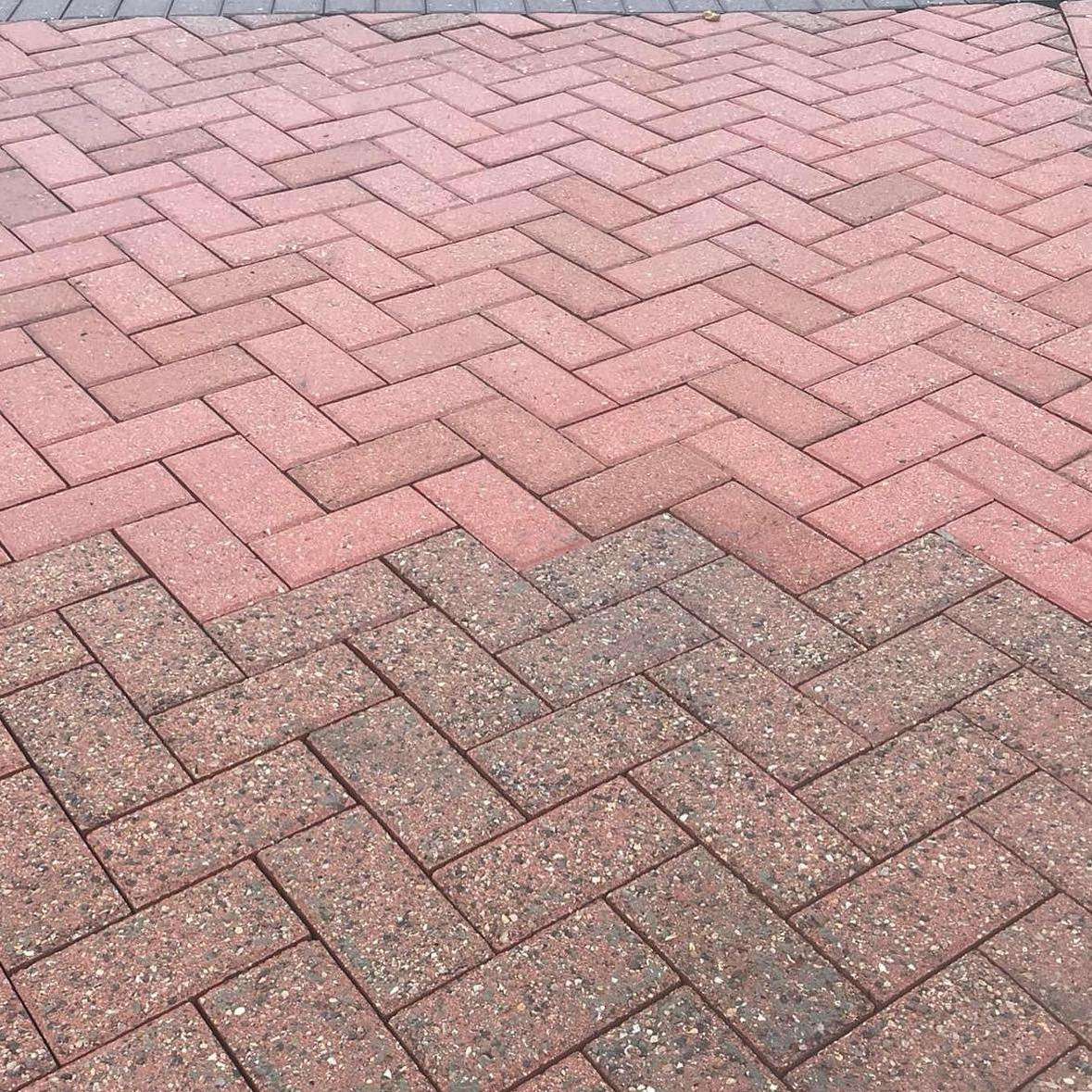
Patios and Paving
Patios often collect moss and algae.
Recommended method:
-
Pre-treat with algae remover
-
Use medium pressure
-
Clean in straight lines
-
Rinse thoroughly
Re-sand paving joints if necessary after cleaning.
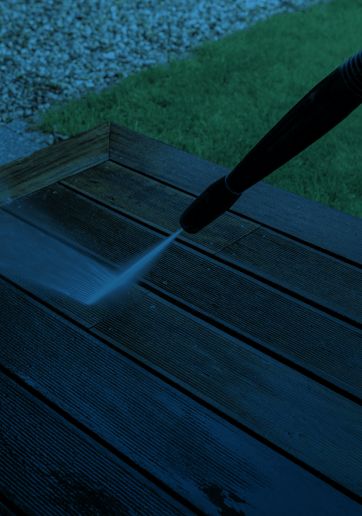
Decking
Wood requires much lower pressure.
High pressure can damage wood fibres and remove protective coatings.
Best practice:
-
Use a wide nozzle
-
Keep distance from the surface
-
Follow the direction of the wood grain
-
Use wood cleaner when needed
Exterior Walls
Brick and masonry can be cleaned effectively with moderate pressure.
Recommended approach:
-
Start with low pressure
-
Avoid spraying mortar directly
-
Work from top to bottom
This prevents dirty water running over already cleaned sections.
Pressure Washing Costs in the UK
Many homeowners consider pressure washing themselves to save money.
Below is an approximate cost comparison.
| Task | DIY Cost | Professional Cost |
|---|---|---|
| Patio cleaning | £5–£20 cleaning solution | £80–£200 |
| Driveway cleaning | £10–£30 detergent | £120–£300 |
| Deck cleaning | £10–£25 cleaner | £100–£250 |
Buying a pressure washer typically costs between £120 and £400, making it worthwhile for regular home maintenance.
Common Beginner Mistakes
Many beginners damage surfaces because they rush or use incorrect settings.
Frequent mistakes
-
Using too much pressure
-
Holding the nozzle too close
-
Cleaning delicate surfaces
-
Ignoring protective gear
-
Skipping pre-treatment
Using strong pressure on fragile materials like glass or painted surfaces can cause serious damage.
Learning proper technique avoids expensive repairs.
Useful Pressure Washing Accessories
Certain accessories make cleaning easier.
| Accessory | Purpose |
|---|---|
| Surface cleaner | Cleans patios evenly |
| Extension lance | Reaches high walls |
| Foam cannon | Applies detergent evenly |
| Rotary brush | Scrubs stubborn dirt |
| Turbo nozzle | Concentrates pressure |
Accessories help improve efficiency and reduce cleaning time.
Maintaining Your Pressure Washer
Good maintenance extends equipment life.
After each use
-
Flush the system with clean water
-
Drain remaining water
-
Inspect hoses for damage
-
Clean nozzles
Regular maintenance prevents pump damage and ensures consistent performance.
Environmental Considerations
Pressure washing uses large amounts of water, so responsible use is important.
Responsible cleaning practices
-
Avoid washing chemicals into drains
-
Use biodegradable detergents
-
Prevent runoff into gardens
-
Sweep debris before washing
Eco-friendly cleaning products are widely available from suppliers like https://puresealservices.co.uk/, which specialise in exterior cleaning chemicals.
How Often Should You Pressure Wash?
The frequency depends on weather conditions and the surface.
| Surface | Cleaning Frequency |
|---|---|
| Driveways | Once per year |
| Patios | Once or twice per year |
| Decking | Once per year |
| Exterior walls | Every 1–2 years |
Regular maintenance prevents algae growth and surface deterioration.
Starting Your First Pressure Washing Project
For beginners, the best way to learn is to start with a simple project such as a patio or driveway.
Follow these steps:
-
Prepare the area
-
Test the pressure washer
-
Apply detergent if required
-
Wash in sections
-
Rinse and inspect results
With practice, the technique becomes easier and results improve significantly.
Pressure washing is one of the most practical skills for maintaining outdoor spaces. With the correct equipment, proper safety practices, and suitable cleaning products, beginners can achieve professional-looking results at home.
Tags: window cleaning, Patio cleaning, Driveway cleaning, pressure washing, Roof Cleaning, Exterior cleaning, gutter cleaning
 Artificial and Sports Surfaces
 Awnings / Canopies / Gazebos
 Block Paving
 Brickwork
 Composite Surfaces
 Decking / Timber
 Granite
 Imprinted Concrete
 Internal Masonry
 Limestone
 Marble
 Metal Cladding
 Polished or Honed Stone
 Porcelain
 Render
 Resin Bond
 Road and Rail Signs
 Roof Tiles / Slates
 Sandstone
 Slate
Slate Solar Panels and Glass
 Stone Sills and Pier Caps
 Tarmac and Asphalt
 Gutters & UPVC
 Acid Damage
 Biofilm
 Bitumen
 Blood
Blood Carbon
 Concrete / Grout / Mortar
 Copper Oxide
 Efflorescence
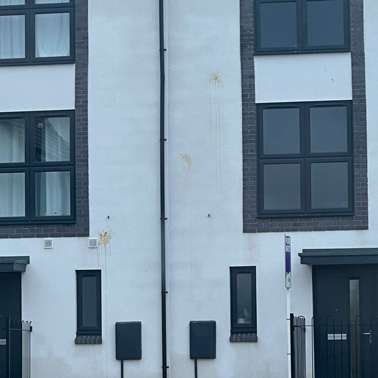 Egg
Egg Failed Sealer
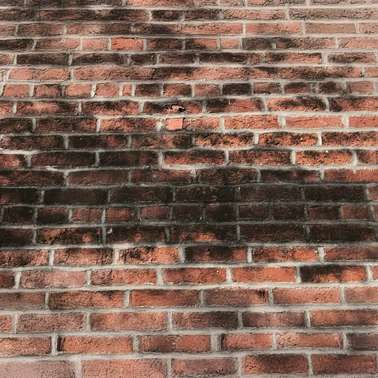 Fire Damage
 Fuel / Oil
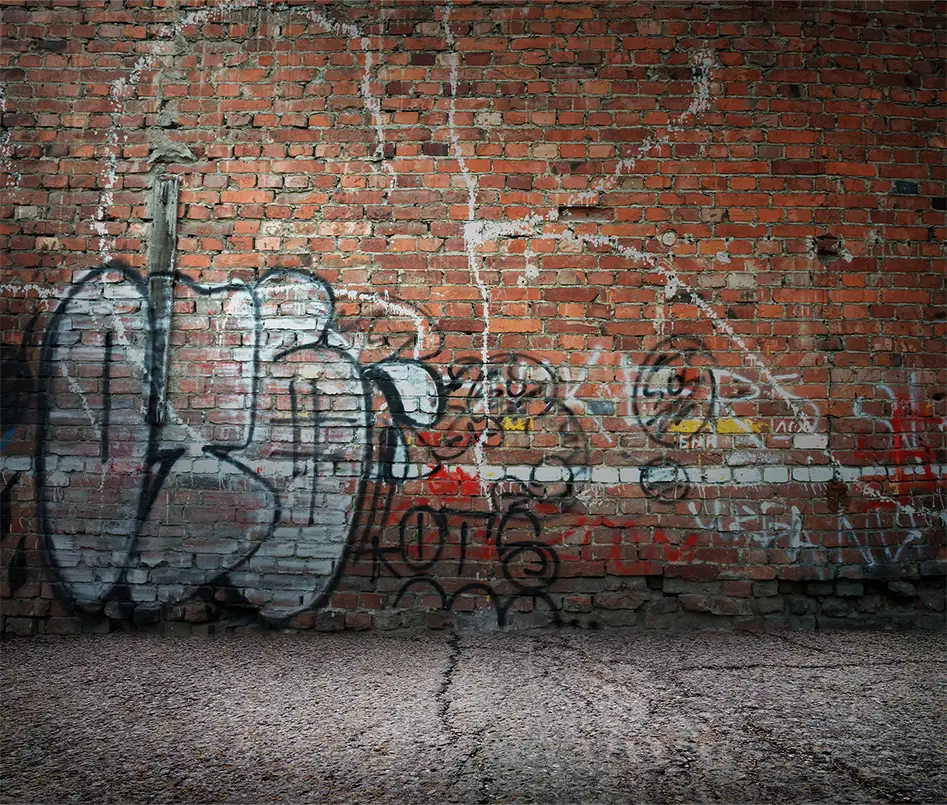 Graffiti
 Grease / Fat / Cooking Oil
 Lawn Fertiliser
 Lead Carbonate
 Lead Oxide
 Paint Splashes
 Rust
Rust Tar & Glue
 Tannin Removers
 Traffic Film Removers
 Trapped Moisture / Sealer Repairs
 Urine Neutralisers