

Brick Cleaning Done Properly: A Professional Overview
How Do Professionals Clean Bricks? 🧱
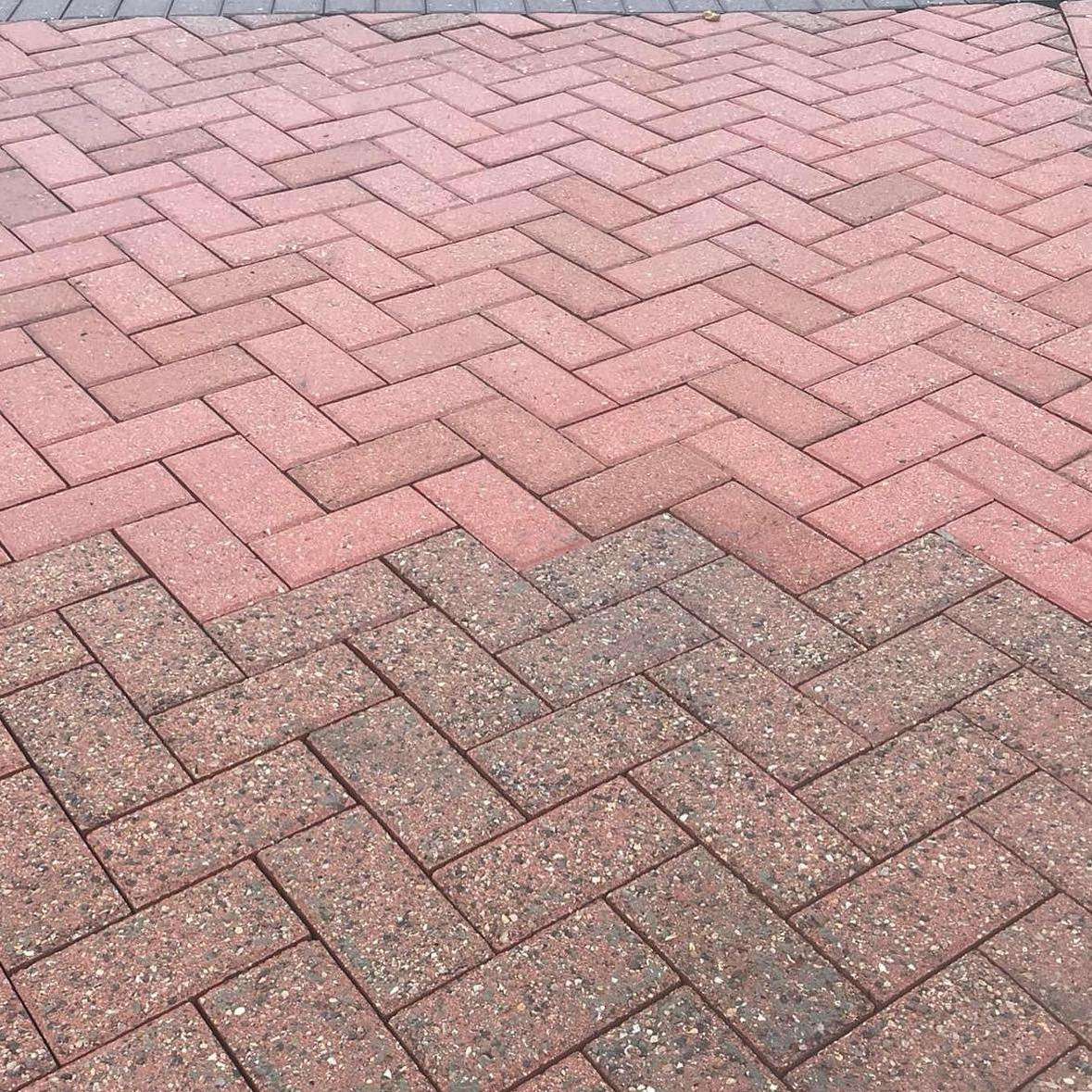
Brickwork is one of the most durable and visually distinctive building materials used in the UK. From Victorian terraces to modern extensions, bricks provide strength, insulation, and character. However, despite their durability, bricks are not immune to dirt, staining, algae, pollution, or weathering. Over time, even the best-quality brickwork can lose its appearance and structural integrity if not properly maintained.
Professional brick cleaning is a specialised process that goes far beyond simple scrubbing or jet washing. It involves understanding brick types, mortar composition, contaminants, moisture behaviour, and the safest cleaning methods for each scenario. This article explains in detail how professionals clean bricks, the techniques they use, the science behind the process, and the costs typically involved in the UK.
Understanding Brickwork Before Cleaning 🔍
Before any cleaning begins, professionals assess the brickwork carefully. Not all bricks react the same way to moisture, pressure, or chemicals.
Brick Types Commonly Found in the UK
| Brick Type | Characteristics | Cleaning Sensitivity |
|---|---|---|
| Clay facing bricks | Dense, fired at high temperatures | Medium |
| Soft red bricks | Older, porous bricks (often Victorian) | High |
| Engineering bricks | Very dense, low porosity | Low |
| Handmade bricks | Irregular, softer surface | High |
| Reclaimed bricks | Aged, variable quality | High |
Professionals identify the brick type because aggressive cleaning on soft or historic bricks can cause irreversible damage.
Common Reasons Bricks Need Cleaning 🧼
Brickwork becomes dirty for several reasons, many of which are environmental and unavoidable.
Typical Brick Contaminants
| Contaminant | Cause | Appearance |
|---|---|---|
| Algae & moss | Moisture, shade | Green or dark patches |
| Lichen | Long-term damp exposure | White or pale crusts |
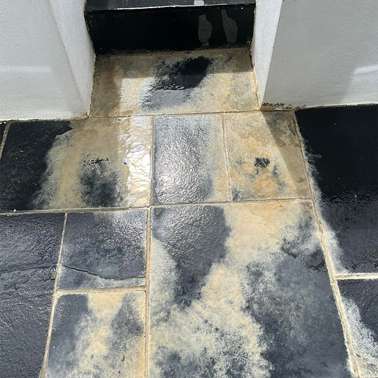
| Efflorescence | Salt migration | White powdery residue |
| Carbon staining | Traffic & pollution | Black soot marks |
| Paint residue | Previous coatings | Peeling or solid paint |
| Cement splashes | Construction work | Grey hardened marks |
Each contaminant requires a different approach, which is why professional methods vary widely.
The Professional Brick Cleaning Process 🏗️
Professional brick cleaning follows a structured process to ensure effectiveness and safety.
Step-by-Step Overview
-
Initial inspection
-
Testing a small area
-
Choosing the correct cleaning method
-
Controlled application
-
Neutralisation (if chemicals are used)
-
Final rinse and drying
Skipping any of these steps can lead to staining, weakened mortar, or long-term moisture issues.
Manual Brick Cleaning Methods ✋
Hand Brushing and Low-Pressure Washing
For delicate brickwork, professionals often start with manual methods.
Tools used include:
-
Stiff but non-metallic brushes
-
Low-pressure water systems
-
Controlled rinse techniques
This approach is labour-intensive but ideal for:
-
Listed buildings
-
Soft historic bricks
-
Areas with crumbling mortar
Manual cleaning minimises surface erosion and preserves the brick’s natural texture.
Steam Cleaning (Superheated Water) ♨️
Steam cleaning is widely regarded as one of the safest professional methods for brick cleaning.
How It Works
-
Water is heated to temperatures above 100°C
-
Applied at low pressure
-
Heat kills organic growth and loosens dirt
Benefits of Steam Cleaning
| Benefit | Explanation |
|---|---|
| Low pressure | Reduces surface damage |
| Chemical-free | No residue left behind |
| Effective on algae | Heat destroys spores |
| Suitable for old bricks | Minimal abrasion |
Steam cleaning is especially effective on heritage properties and is often chosen where chemical use must be minimised.
Chemical Brick Cleaning 🧪
Chemical cleaning is used when staining cannot be removed through water or steam alone.
Types of Cleaning Chemicals
| Chemical Type | Purpose |
|---|---|
| Acid-based cleaners | Cement residue, mortar smears |
| Alkaline cleaners | Oil and grease stains |
| Biocidal washes | Algae, moss, lichen |
| Paint removers | Old paint coatings |
Professionals dilute chemicals precisely and apply them evenly to prevent patchiness.
⚠️ Chemical cleaning always requires neutralisation to stop ongoing reactions within the brick.
Efflorescence Removal 🧂
Efflorescence is a common white powder that appears when salts migrate to the surface.
Professional Approach
-
Dry brushing first
-
Gentle washing
-
Mild acidic treatment if necessary
-
Thorough rinsing
Professionals avoid aggressive washing because efflorescence can return if moisture is driven deeper into the wall.
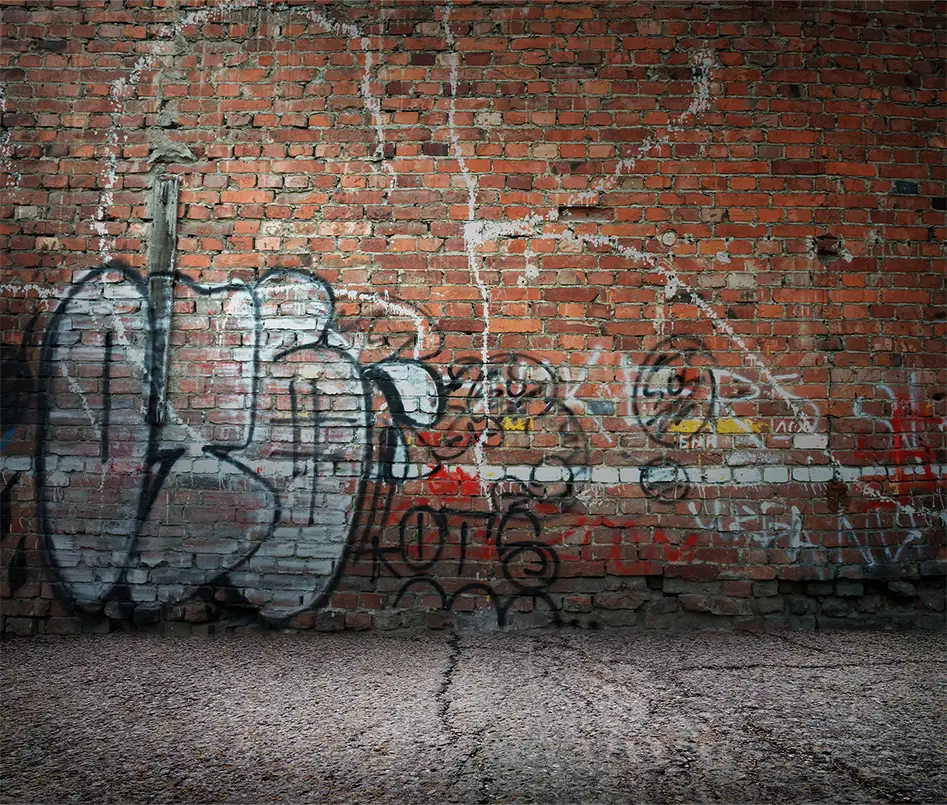
Paint and Graffiti Removal 🎨
Painted brickwork is challenging because paint seals the brick surface.
Professional Techniques
| Method | Use Case |
|---|---|
| Chemical stripping | Thick paint layers |
| Steam & scraping | Peeling paint |
| Micro-abrasive systems | Graffiti removal |
| Poultice treatments | Stubborn residues |
The goal is always to remove paint without opening the brick pores excessively.
Abrasive Brick Cleaning (Used Carefully) ⚙️
Abrasive cleaning involves physically removing surface material.
Common Abrasive Techniques
-
Sand blasting
-
Micro-abrasive blasting
-
DOFF or TORC systems (controlled abrasion)
Risks of Abrasive Cleaning
| Risk | Impact |
|---|---|
| Surface erosion | Shortened brick lifespan |
| Increased porosity | More water absorption |
| Mortar damage | Structural weakness |
Professionals reserve abrasive methods for very specific situations and always use the least aggressive medium possible.
Mortar Protection During Cleaning 🧱
Brick cleaning isn’t just about bricks. Mortar is often more vulnerable.
Professionals:
-
Avoid high-pressure washing
-
Check for lime vs cement mortar
-
Repair or repoint after cleaning if required
Damaging mortar can lead to damp penetration, even if the bricks look clean.
Weather Considerations ☁️
Professional brick cleaning is heavily influenced by weather conditions.
Ideal Conditions
| Factor | Ideal Range |
|---|---|
| Temperature | 5°C – 20°C |
| Rain | None during or immediately after |
| Sun exposure | Moderate |
| Wind | Low |
Cleaning in poor weather can cause streaking, freeze damage, or uneven results.
Health, Safety, and Environmental Controls 🦺
Professional brick cleaners follow strict safety procedures.
Safety Measures Include
-
Protective clothing
-
Dust suppression
-
Runoff containment
-
Controlled chemical disposal
Environmental protection is particularly important when cleaning near drains or planted areas.
Timeframes for Professional Brick Cleaning ⏱️
The time required depends on surface area, contamination, and method used.
| Property Type | Typical Duration |
|---|---|
| Small wall | 1 day |
| Terraced house | 2–3 days |
| Detached property | 3–5 days |
| Large commercial building | 1–2 weeks |
Preparation and drying time are often as important as the cleaning itself.
Typical UK Costs (Indicative Only) 💷
While prices vary, professionals generally calculate costs based on labour, access, and method.
| Cleaning Method | Approximate Cost per m² |
|---|---|
| Manual cleaning | £10 – £20 |
| Steam cleaning | £15 – £30 |
| Chemical cleaning | £20 – £40 |
| Paint removal | £30 – £60 |
| Abrasive systems | £40 – £80 |
Additional costs may apply for scaffolding, waste disposal, or specialist treatments.
Long-Term Impact of Professional Brick Cleaning 🧠
When done correctly, professional brick cleaning:
-
Extends brick lifespan
-
Improves moisture performance
-
Restores original appearance
-
Reduces future maintenance
Poorly executed cleaning, however, can permanently damage brickwork and increase long-term repair costs.
Why Professional Knowledge Matters 🏛️
Brick cleaning is as much a science as it is a skill. Professionals understand:
-
Capillary action in masonry
-
Salt migration patterns
-
Brick firing temperatures
-
Mortar chemistry
-
Environmental exposure
This knowledge allows them to select methods that clean effectively without compromising the structure.
Conclusion 🧱✨
Professional brick cleaning is a highly specialised process that involves far more than simply removing dirt. It requires a deep understanding of materials, contaminants, moisture behaviour, and cleaning technologies. From gentle steam systems to carefully controlled chemical treatments, professionals tailor their approach to the specific brickwork in question.
When performed correctly, brick cleaning restores appearance, protects structural integrity, and preserves the character of buildings across the UK. It is a process built on assessment, precision, and restraint — ensuring that bricks remain strong, breathable, and visually appealing for decades to come 😊
Brick Cleaning and Breathability 🌬️
One of the most important considerations in professional brick cleaning is maintaining breathability. Bricks and mortar are designed to allow moisture to move in and out of the wall. If cleaning methods seal the surface or damage the pore structure, moisture can become trapped.
Professionals avoid methods that:
-
Glaze the brick face
-
Leave chemical residues
-
Over-saturate the masonry
Preserving breathability helps prevent damp patches, internal condensation, and frost damage during colder months.
Differences Between Domestic and Commercial Brick Cleaning 🏢🏠
While the core principles remain the same, professionals adjust their approach depending on whether the building is residential or commercial.
| Aspect | Domestic | Commercial |
|---|---|---|
| Access | Ladders or small scaffolds | Full scaffolding or MEWPs |
| Brick age | Often older | Mixed or modern |
| Cleaning scale | Small to medium | Large surface areas |
| Time constraints | Flexible | Strict schedules |
Commercial projects often prioritise efficiency, while domestic work places greater emphasis on surface preservation.
Brick Cleaning on Heritage and Listed Buildings 🏛️
Older buildings require an especially cautious approach. Many heritage bricks were fired at lower temperatures, making them softer and more porous.
Professionals working on historic brickwork typically:
-
Avoid abrasive methods entirely
-
Use steam or manual cleaning
-
Match cleaning techniques to original materials
The aim is not to make bricks look new, but to clean them sympathetically, preserving age and character.
Post-Cleaning Brick Assessment 🔎
After cleaning, professionals reassess the brickwork to identify any underlying issues revealed during the process.
This may include:
-
Hairline cracks
-
Failed mortar joints
-
Salt activity
-
Previous repair work
Cleaning often exposes problems that were hidden by dirt or staining, allowing for informed decisions about future maintenance.
How Often Brickwork Typically Needs Cleaning ⏳
There is no fixed schedule for brick cleaning, as exposure varies widely depending on location and environment.
| Location | Typical Cleaning Interval |
|---|---|
| Rural areas | 10–15 years |
| Suburban areas | 8–12 years |
| Urban centres | 5–8 years |
| Coastal locations | 6–10 years |
Professionals focus on condition rather than appearance, cleaning only when buildup begins to affect the brick’s performance or longevity.
Tags: window cleaning, Patio cleaning, Driveway cleaning, pressure washing, Roof Cleaning, Exterior cleaning, gutter cleaning
 Artificial and Sports Surfaces
 Awnings / Canopies / Gazebos
 Block Paving
 Brickwork
 Composite Surfaces
 Decking / Timber
 Granite
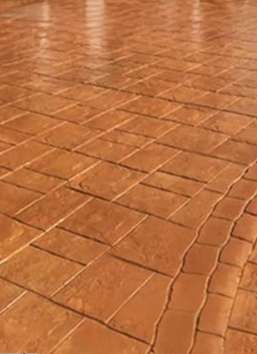 Imprinted Concrete
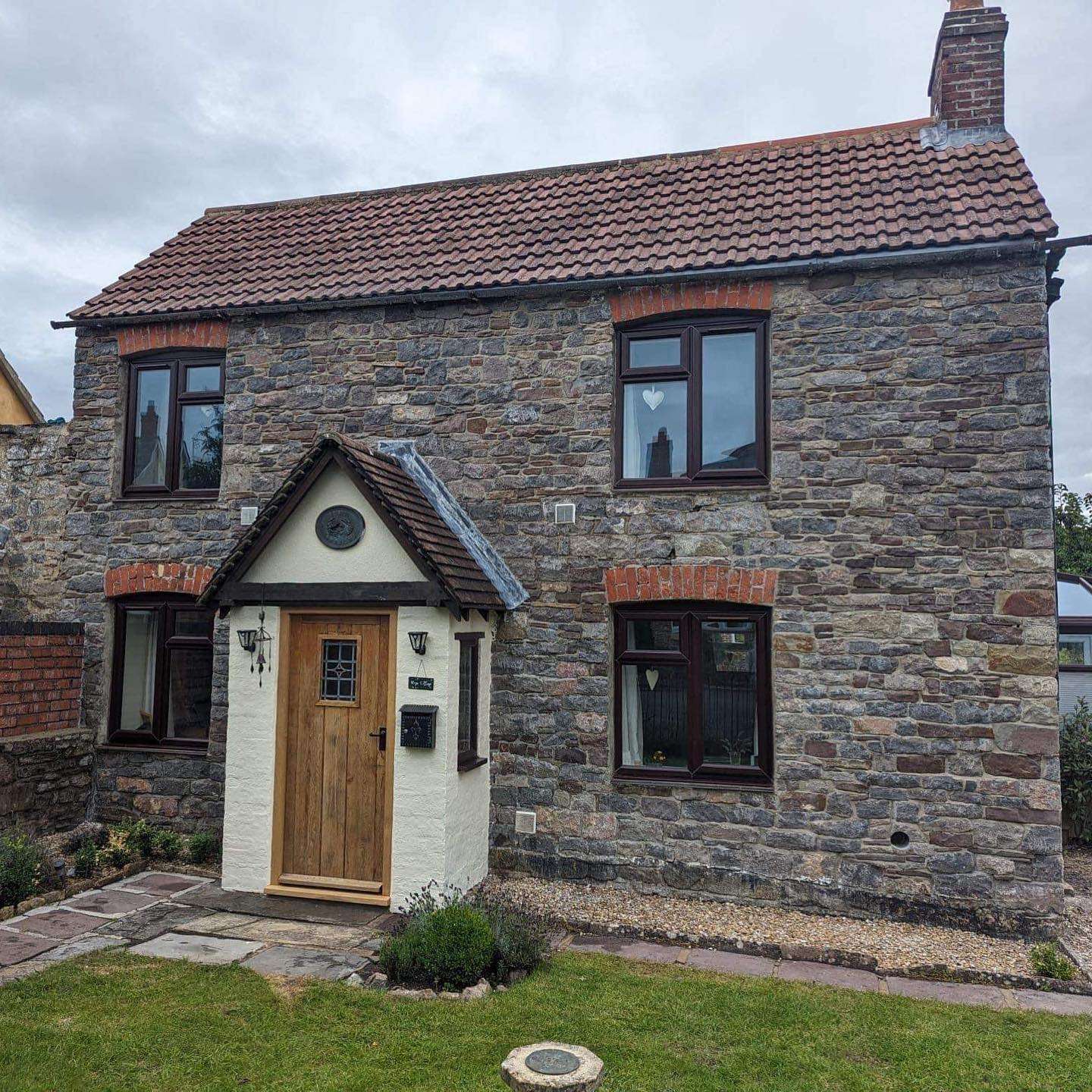 Internal Masonry
 Limestone
 Marble
 Metal Cladding
 Polished or Honed Stone
 Porcelain
 Render
 Resin Bond
 Road and Rail Signs
 Roof Tiles / Slates
 Sandstone
 Slate
Slate Solar Panels and Glass
 Stone Sills and Pier Caps
 Tarmac and Asphalt
 Gutters & UPVC
 Acid Damage
 Biofilm
 Bitumen
 Blood
Blood Carbon
 Concrete / Grout / Mortar
 Copper Oxide
 Efflorescence
 Egg
Egg Failed Sealer
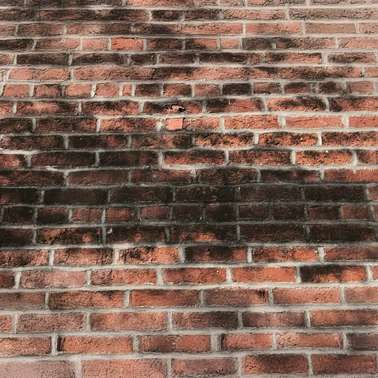 Fire Damage
 Fuel / Oil
 Graffiti
 Grease / Fat / Cooking Oil
 Lawn Fertiliser
 Lead Carbonate
 Lead Oxide
 Paint Splashes
 Rust
Rust Tar & Glue
 Tannin Removers
 Traffic Film Removers
 Trapped Moisture / Sealer Repairs
 Urine Neutralisers