

What’s the Best Way to Remove Graffiti? A Complete Practical Guide
What’s the Best Way to Remove Graffiti?
Graffiti removal is a challenge faced by homeowners, landlords, councils, and businesses alike. While some graffiti is artistic and intentional, unwanted graffiti is often associated with vandalism, reduced property value, and negative perceptions of safety. The “best” way to remove graffiti depends on several factors, including the surface involved, the type of paint or marker used, how long it has been there, and the acceptable balance between cost, effort, and environmental impact.
This guide explores graffiti removal in detail, covering surfaces, methods, effectiveness, risks, costs (in £), and long-term prevention strategies. Rather than promoting specific products or services, it focuses on principles and techniques, allowing readers to make informed decisions based on their situation.
Understanding Graffiti Before Removing It 🎨
Before choosing a removal method, it’s essential to understand what you’re dealing with. Graffiti is not a single substance; it varies widely in composition and behaviour.
Common Types of Graffiti Materials
| Material Type | Common Characteristics | Removal Difficulty |
|---|---|---|
| Spray paint | Oil- or solvent-based, penetrates porous surfaces | Medium to High |
| Marker pens | Dye-based, can soak deeply into materials | Medium |
| Paint pens | Thick, opaque, often oil-based | High |
| Etching / scratching | Physically damages glass or surfaces | Very High |
| Chalk or water-based paint | Sits on surface, easily washed | Low |
The deeper the pigment penetrates a surface, the harder it becomes to remove without damage.
The Role of Surface Type 🧱
The surface is often more important than the graffiti itself. Removing graffiti from a smooth, sealed surface is very different from removing it from brick or stone.
Porous vs Non-Porous Surfaces
| Surface Type | Examples | Key Challenges |
|---|---|---|
| Non-porous | Glass, metal, glazed tiles | Smearing, ghosting |
| Semi-porous | Painted wood, sealed concrete | Paint damage |
| Porous | Brick, sandstone, concrete | Deep penetration |
Porous surfaces absorb paint like a sponge, making complete removal more complex and time-consuming.
Key Graffiti Removal Methods Explained
There is no universal solution. The best approach is often surface-specific, and sometimes a combination of methods is required.
1. Manual Cleaning Methods 🧽
Scrubbing and Washing
This is the simplest approach and works best for light or fresh graffiti.
How it works:
-
Water (sometimes warm)
-
Brushes or pads
-
Mild detergents
Best for:
-
Chalk graffiti
-
Fresh water-based paint
-
Smooth, sealed surfaces
Limitations:
-
Ineffective on oil-based spray paint
-
Can spread pigment on porous surfaces
-
Labour-intensive for large areas
Typical cost:
£5–£30 for basic materials (excluding labour)
2. Chemical Graffiti Removal
Chemical removal involves applying a substance that breaks down paint or ink so it can be wiped or washed away.
How Chemical Removal Works
The chemical reacts with the graffiti material, softening or dissolving it. Timing and technique matter greatly.
Advantages:
-
Effective on many paint types
-
Can reduce scrubbing effort
Disadvantages:
-
Risk of surface damage
-
Health and safety concerns
-
Potential environmental impact
Suitability by Surface
| Surface | Effectiveness | Risk Level |
|---|---|---|
| Metal | High | Low |
| Painted walls | Medium | Medium |
| Brick / stone | Medium | High |
| Plastic | Variable | Medium |
Typical cost range:
£15–£80 per application, depending on area size
3. Pressure Washing 💦
Pressure washing uses high-pressure water to remove graffiti physically.
When Pressure Washing Works Well
-
Large external areas
-
Durable surfaces
-
Older graffiti that has already faded
Risks and Considerations
-
Can erode brick and mortar
-
May force paint deeper into porous surfaces
-
Risk of water ingress into buildings
Pressure Levels Matter
| Pressure Level | Suitable Surfaces |
|---|---|
| Low | Wood, painted surfaces |
| Medium | Brick, concrete |
| High | Stone paving, heavy concrete |
Typical cost:
£50–£150 for equipment hire (per day)
4. Abrasive Techniques 🪨
Abrasive methods physically remove the top layer of the surface along with the graffiti.
Common Abrasive Approaches
-
Sanding
-
Grit blasting
-
Soda blasting
Pros:
-
Removes deeply embedded graffiti
-
Effective on stubborn stains
Cons:
-
Permanently alters surface
-
Not suitable for historic or decorative materials
-
Can make surfaces more vulnerable to future graffiti
Best used on:
-
Industrial concrete
-
Metal shutters
-
Non-decorative stone
5. Heat-Based Removal 🔥
Heat is used to soften paint so it can be scraped or washed away.
Characteristics
-
Uses hot air or steam
-
Often combined with gentle scraping
Advantages:
-
Reduces need for chemicals
-
Controlled application
Disadvantages:
-
Time-consuming
-
Risk of scorching
-
Requires experience to avoid damage
Approximate cost:
£100–£300 for equipment (purchase or hire)
Comparing Removal Methods at a Glance
| Method | Surface Safety | Effectiveness | Cost (£) | Skill Level |
|---|---|---|---|---|
| Manual cleaning | High | Low | Low | Low |
| Chemical removal | Medium | High | Medium | Medium |
| Pressure washing | Medium | Medium | Medium | Medium |
| Abrasive methods | Low | Very High | High | High |
| Heat-based | Medium | Medium | High | High |
The Importance of Timing ⏱️
Fresh graffiti is significantly easier to remove than graffiti that has cured over weeks or months.
Why Speed Matters
-
Paint bonds more strongly over time
-
UV exposure causes pigments to embed
-
Dirt and pollution seal graffiti into pores
Rule of thumb:
Graffiti removed within 48 hours typically costs 30–50% less than older graffiti.
Cost Considerations in the UK 💷
Costs vary widely depending on surface, size, and method.
Typical Cost Breakdown
| Area Size | Simple Removal | Complex Removal |
|---|---|---|
| Small (under 1 m²) | £30–£80 | £100–£200 |
| Medium (1–5 m²) | £80–£200 | £200–£500 |
| Large (over 5 m²) | £200+ | £500–£1,500 |
These figures reflect average effort rather than guaranteed pricing.
Environmental and Health Considerations 🌱
Graffiti removal isn’t just about appearance.
Key Environmental Factors
-
Chemical runoff into drains
-
Airborne particles from abrasion
-
Water consumption
Health and Safety Risks
-
Skin and eye irritation
-
Inhalation of fumes
-
Slips from wet surfaces
Using protective equipment and containment measures significantly reduces risks.
Ghosting and Shadowing 👻
Even after removal, faint outlines often remain. This is known as ghosting.
Why Ghosting Happens
-
Pigment absorbed into porous surfaces
-
Uneven weathering
-
Partial removal of surface layers
Managing Ghosting
-
Gentle repeat treatments
-
Surface re-finishing
-
Accepting slight visual traces in older materials
Complete invisibility is not always achievable without resurfacing.
Special Cases: Glass and Etched Graffiti 🪟
Painted graffiti on glass is usually easy to remove. Etched graffiti is not.
Etched Graffiti Challenges
-
Permanent physical damage
-
Cannot be “cleaned” away
-
Requires polishing or replacement
In these cases, removal becomes restoration rather than cleaning.
Long-Term Strategy: Removal vs Prevention
While removal is essential, prevention plays a major role in reducing long-term costs.
Why Clean Surfaces Matter
-
Clean walls discourage repeat tagging
-
Visible neglect invites further vandalism
-
Rapid response reduces repeat incidents
Removal Frequency and Cost
| Approach | Annual Cost (£) | Visual Impact |
|---|---|---|
| Reactive (slow) | £1,000+ | Poor |
| Rapid removal | £400–£800 | Good |
| Preventative surface treatment | £600–£1,200 | Very Good |
Is There a “Best” Way to Remove Graffiti?
The honest answer is: there is no single best method.
The Best Approach Is:
-
Surface-specific
-
Material-aware
-
Time-sensitive
-
Balanced between effectiveness and damage
In many cases, the most effective solution is a combination of methods, applied carefully and tested in small areas first.
Key Takeaways ✅
-
Graffiti removal depends heavily on surface type
-
Fresh graffiti is always easier and cheaper to remove
-
Aggressive methods work but can permanently damage surfaces
-
Costs range widely, from £30 to over £1,500
-
Prevention and rapid response reduce long-term expense
-
Perfect removal is not always possible without restoration
Final Thoughts 🎯
Graffiti removal is as much about decision-making as it is about technique. Rushing into aggressive removal can cause irreversible damage, while delaying action can increase cost and difficulty. Understanding the relationship between surface, substance, time, and method is the key to choosing the most effective approach.
When done thoughtfully, graffiti removal restores not just surfaces, but also the perception of care, safety, and pride in a space.
Graffiti Removal on Historic and Listed Buildings 🏛️
Older and historic buildings present unique challenges when it comes to graffiti removal. Traditional materials such as lime mortar, soft brick, sandstone, and limestone are far more fragile than modern construction materials. Aggressive methods can cause irreversible harm that outweighs the damage caused by the graffiti itself.
On these surfaces, the priority is preservation rather than speed. Gentle, low-impact techniques are generally favoured, even if they take longer or cost more.
| Risk Factor | Potential Consequence |
|---|---|
| Abrasion | Loss of original surface detail |
| Strong chemicals | Discolouration and decay |
| High-pressure washing | Erosion of mortar and stone |
Costs for sensitive graffiti removal on historic structures can range from £150 to £600 per square metre, reflecting the skill and time required.
Weather and Seasonal Effects on Removal ❄️☀️
Weather conditions significantly affect graffiti removal outcomes. Temperature, humidity, and rainfall all influence how materials behave during cleaning.
Cold conditions can harden paint, making it more resistant to removal, while excessive heat can cause smearing or surface staining. Rain may dilute cleaning efforts or spread pigments further across porous materials.
Seasonal Considerations
| Season | Impact on Removal |
|---|---|
| Winter | Slower chemical reactions |
| Spring | Moist surfaces increase absorption |
| Summer | Faster drying but higher smearing risk |
| Autumn | Ideal balance for most methods |
Planning removal work during mild, dry conditions often improves results and reduces repeat treatments.
The Role of Surface Repainting After Removal 🎨
In some cases, graffiti removal alone cannot fully restore the original appearance of a surface. This is particularly true for painted walls, rendered finishes, or areas with severe ghosting.
Repainting can:
-
Eliminate shadowing
-
Restore uniform colour
-
Provide an opportunity for added protection
However, repainting introduces colour-matching challenges and additional cost.
| Area Size | Typical Repainting Cost (£) |
|---|---|
| Small patch | £50–£150 |
| Single wall | £200–£500 |
| Large façade | £800+ |
Repainting should be considered a last stage, not the first response.
Repeat Graffiti and High-Risk Locations 🚧
Certain locations experience repeated graffiti due to visibility, foot traffic, or concealment. Examples include alleyways, railway boundaries, underpasses, and shuttered shopfronts.
Repeated removal without addressing underlying risk can become costly.
Cost of Repeated Removal Over Time
| Frequency | Annual Cost (£) |
|---|---|
| Monthly | £1,200–£2,000 |
| Quarterly | £600–£1,000 |
| Rapid-response | £400–£700 |
Consistent removal discourages repeat incidents by reducing the “reward” of visibility.
Measuring Success in Graffiti Removal ✔️
Success is not always defined by complete invisibility. A realistic assessment considers surface condition, longevity of results, and overall improvement.
Indicators of Effective Removal
-
Minimal surface damage
-
Reduced visual impact
-
Lower repeat incidence
-
Acceptable colour consistency
| Outcome Type | Long-Term Value |
|---|---|
| Perfect removal with damage | Low |
| Slight ghosting, intact surface | High |
| Repainting with protection | Very High |
In many cases, preserving the surface is more important than achieving a flawless appearance.
Tags: Patio cleaning, Driveway cleaning, pressure washing, Roof Cleaning, Exterior cleaning, gutter cleaning, window cleaning
 Artificial and Sports Surfaces
 Awnings / Canopies / Gazebos
 Block Paving
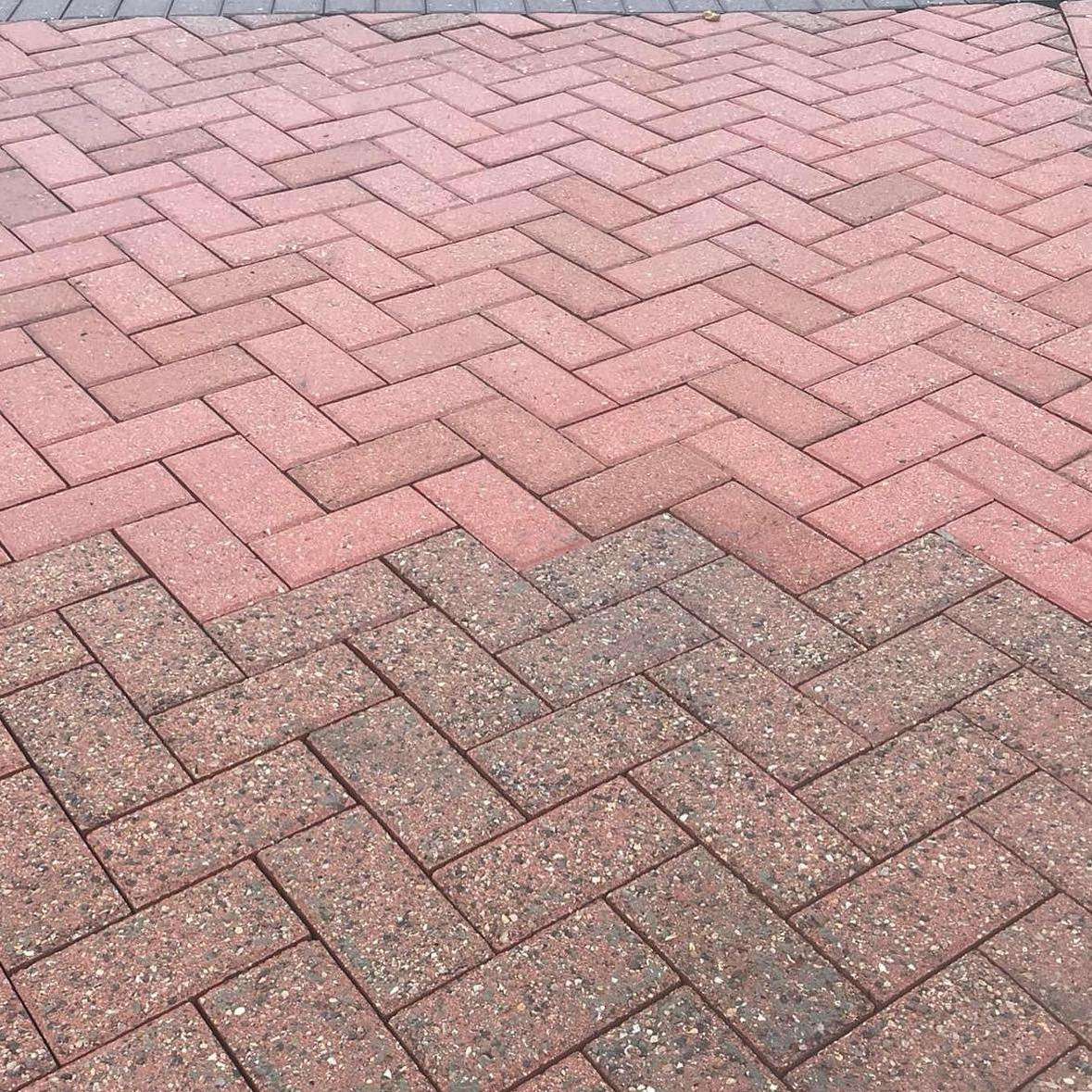 Brickwork
 Composite Surfaces
 Decking / Timber
 Granite
 Imprinted Concrete
 Internal Masonry
 Limestone
 Marble
 Metal Cladding
 Polished or Honed Stone
 Porcelain
 Render
 Resin Bond
 Road and Rail Signs
 Roof Tiles / Slates
 Sandstone
 Slate
Slate Solar Panels and Glass
 Stone Sills and Pier Caps
 Tarmac and Asphalt
 Gutters & UPVC
 Acid Damage
 Biofilm
 Bitumen
 Blood
Blood Carbon
 Concrete / Grout / Mortar
 Copper Oxide
 Efflorescence
 Egg
Egg Failed Sealer
 Fire Damage
 Fuel / Oil
 Graffiti
 Grease / Fat / Cooking Oil
 Lawn Fertiliser
 Lead Carbonate
 Lead Oxide
 Paint Splashes
 Rust
Rust Tar & Glue
 Tannin Removers
 Traffic Film Removers
 Trapped Moisture / Sealer Repairs
 Urine Neutralisers