
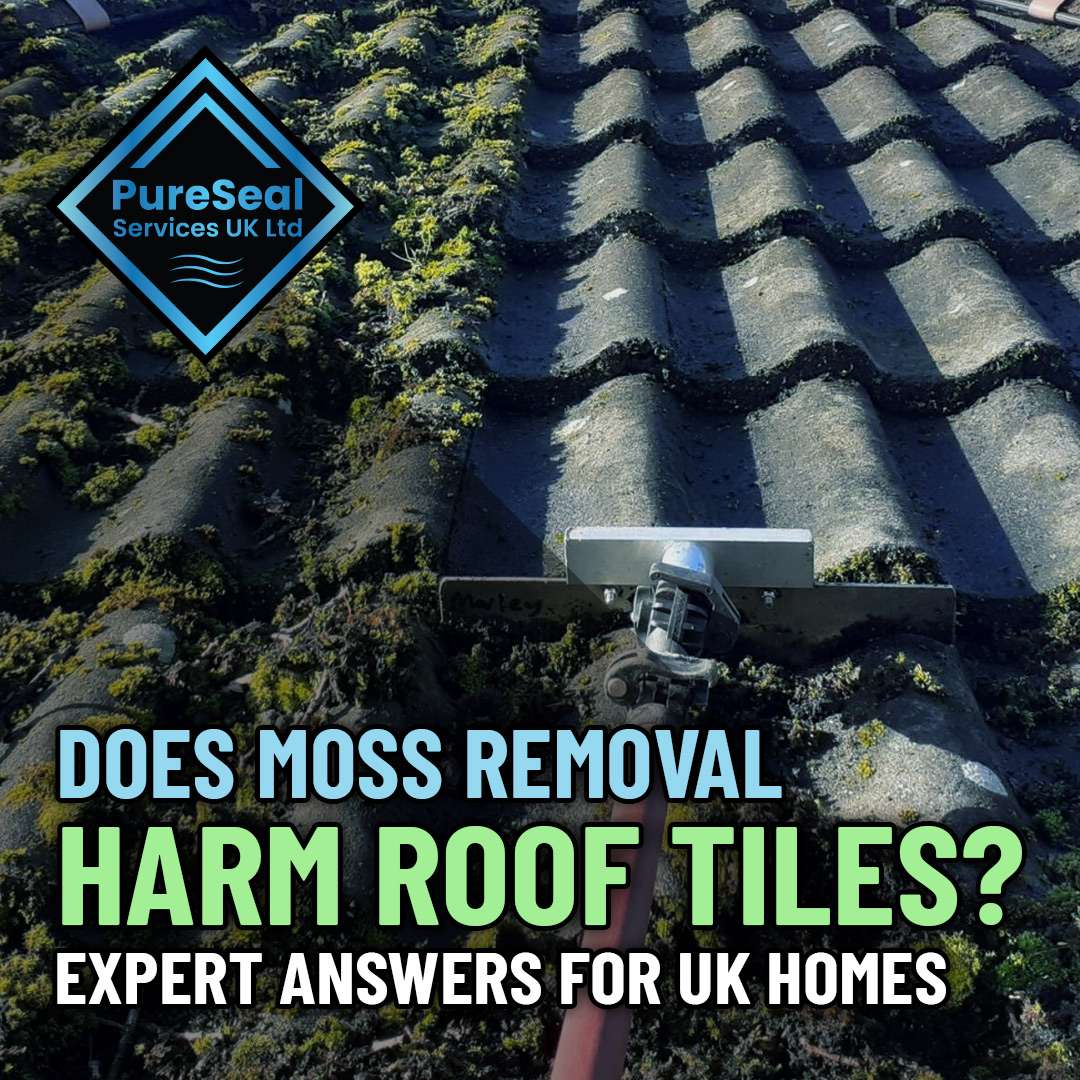
Does Moss Removal Harm Roof Tiles? Expert Answers for UK Homes
Can Moss Removal Damage My Roof?
Moss and algae on a roof may look harmless at first glance, but over time they can hold moisture, lift tiles, and shorten the life of the roof. Many homeowners in the UK book professional moss removal services to keep their roofs clean and prevent decay — but a common question arises: can moss removal actually cause damage if done incorrectly?
The short answer is yes, it can — but only when improper methods or untrained operators are involved. When carried out carefully using the right technique for your roof type, moss removal is safe, beneficial, and can extend the lifespan of your tiles by years.
This guide explains why moss grows, how different cleaning methods affect your roof, and what to look for in a professional service.
Why Moss Grows on Roofs in the UK
Moss thrives in damp, shaded environments — perfect conditions for most British roofs. Northern elevations, overhanging trees, and poor sunlight exposure allow moss spores to settle and grow between tiles.
Common causes include:
-
Frequent rainfall and mild winters create long periods of dampness.
-
Overhanging branches that shade and drop organic debris.
-
Porous or older roof tiles that hold moisture.
-
Blocked gutters or poor drainage causing water to linger.
-
Prevailing wind direction bringing spores from nearby vegetation.
Once moss starts growing, it spreads quickly, forming thick green mats that retain water. This extra moisture can freeze in winter, pushing tiles apart and loosening mortar joints. Over time, moss-laden roofs look patchy, drain poorly, and can contribute to damp problems below.
The Main Moss Removal Methods
Different cleaning methods vary in safety, cost, and long-term effectiveness. Understanding them helps you choose the right approach and avoid unnecessary damage.
Table 1 – Common Moss Removal Methods in the UK
| Method | Description | Typical Cost Range | Pros | Potential Risks |
|---|---|---|---|---|
| Manual scraping | Moss is scraped off by hand using roof ladders and brushes. | £8–£15 per m² | Gentle on tiles, low water pressure, cost-effective. | Labour-intensive, may miss fine growth in pores. |
| Soft washing (biocide treatment) | Low-pressure rinse followed by moss-killing chemical or biocide. | £12–£20 per m² | Kills spores, long-lasting cleanliness, safe for most roofs. | Needs correct dilution; misuse can stain or harm plants. |
| Steam cleaning | High-temperature, low-pressure steam loosens and kills moss. | £18–£30 per m² | Chemical-free, deep clean, environmentally friendly. | Slightly higher cost, not ideal for brittle slate. |
| Pressure washing | High-pressure water jet removes moss mechanically. | £10–£20 per m² (low rate but risky) | Fast, visibly clean result. | Can break tiles, strip coatings, force water under laps — generally not recommended. |
Can Moss Removal Damage Roof Tiles?
1. When Done Correctly — No
Manual or softwash cleaning, when performed by trained specialists, is entirely safe for most concrete, clay, and slate roofs. These methods rely on gentle brushing, biocide treatment, and low water pressure to lift and kill moss without affecting the tile surface.
2. When Done Poorly — Yes
Damage occurs when operators use excessive pressure, incorrect chemicals, or improper tools. Common forms of damage include:
-
Broken or dislodged tiles from standing or scraping aggressively.
-
Stripped tile coatings (on coloured concrete tiles).
-
Water ingress when high-pressure jets force water beneath laps.
-
Dislodged ridge mortar or cement joints.
-
Chemical staining if cleaning solutions are too strong or misapplied.
In short, moss removal doesn’t harm the roof — bad technique does.
Physical Damage Risks in Detail
Table 2 – Examples of Physical Damage and How to Avoid Them
| Type of Damage | What Causes It | How to Prevent It |
|---|---|---|
| Cracked tiles | Heavy foot traffic, metal scrapers, or standing on unsupported tiles. | Use crawl boards and lightweight plastic scrapers. |
| Lifted tiles | High-pressure washing or upward spray direction. | Always spray downward along tile overlaps. |
| Mortar loss | Pressure washing ridge or hip lines directly. | Clean by hand around mortar areas. |
| Water underlay damage | Water forced beneath tiles into felt. | Avoid pressure jets; prefer softwash or steam. |
| Surface abrasion | Using wire brushes or hard scraping tools. | Use nylon brushes or plastic heads only. |
The Science Behind Safe Moss Removal
Roof tiles — whether clay, slate, or concrete — have small pores that absorb moisture. Moss roots (rhizoids) penetrate these pores, anchoring the plant. Simply blasting moss away can leave roots intact, encouraging regrowth and sometimes enlarging the pores.
Safe moss removal works in stages:
-
Dry scraping to remove large growths.
-
Application of biocide or softwash solution to kill remaining spores.
-
Rinsing or natural weathering to remove residues over several months.
This gradual approach preserves tile integrity and ensures regrowth is slowed for years, not months.
Comparing Cleaning Methods by Roof Type
| Roof Type | Best Removal Method | Notes |
|---|---|---|
| Concrete tile roof | Manual scrape + biocide, or steam clean | Handles moderate pressure, but avoid aggressive jets. |
| Clay tile roof | Gentle softwash or steam | Clay is porous and can pit under high pressure. |
| Natural slate roof | Manual removal only | Slate is brittle; scraping and chemical use must be delicate. |
| Artificial slate / fibre cement | Softwash or steam | Check manufacturer’s cleaning recommendations. |
| Flat felt or rubber roof | Hand brush and biocide | Avoid power washing seams. |
Moss Removal vs. Roof Longevity
Many UK homeowners fear that moss removal will shorten the life of their roof, when in fact the opposite is true. Moss retains water and prevents proper drainage, keeping tiles wet for longer. Persistent damp encourages freeze-thaw cycles in winter, which expand pores and cause surface spalling.
By removing moss safely and keeping the roof clean, you:
-
Allow tiles to dry faster after rain.
-
Prevent frost damage.
-
Maintain roof colour and appearance.
-
Reduce stress on gutters and downpipes.
In other words, safe moss removal extends roof life by reducing the conditions that cause long-term deterioration.
Cost of Moss Removal in the UK
While cost varies with roof size, accessibility, and cleaning method, the following table summarises current market averages for 2025 pricing.
Table 3 – Typical UK Roof Moss Removal Prices
| Property Type | Approx. Roof Area | Cleaning Method | Typical Cost Range |
|---|---|---|---|
| Small bungalow | 60–80 m² | Manual scrape + biocide | £500–£850 |
| 3-bed semi | 80–100 m² | Manual scrape + softwash | £900–£1,400 |
| 4-bed detached | 120–150 m² | Steam cleaning | £1,800–£2,600 |
| Large detached or complex roof | 180 m²+ | Combination method | £2,500–£3,500+ |
These figures include labour, materials, and access equipment such as roof ladders or mobile towers. Scaffolding, if required, can add £300–£900 depending on height and elevation complexity.
Biocide Treatments Explained
Biocides are specialist chemical solutions designed to kill moss, algae, and lichen spores. They are key to long-term prevention and should always be used after physical removal.
A quality biocide treatment typically costs £1.50–£3.00 per m² when added to a moss removal service. Applied via low-pressure sprayer, the solution seeps into pores and keeps spores from re-establishing for two to five years.
Benefits of Biocide Use:
-
Extends the clean look for years.
-
Prevents slippery growth on walkways below.
-
Reduces the need for frequent roof cleaning.
-
Works gradually, allowing gentle natural rinse-off.
When properly mixed and rinsed, modern biocides are safe for roofing materials and surrounding gardens.
What the Professionals Do Differently
Professional roof cleaners use a methodical process that balances safety and effectiveness:
-
Site assessment: Identify roof material, pitch, and fragility.
-
Access setup: Use roof ladders, towers, or scaffolds for stability.
-
Dry moss removal: Hand scraping with plastic tools to prevent abrasion.
-
Rinse or softwash: Light rinse to clear debris.
-
Biocide application: Kills spores and prevents regrowth.
-
Final inspection: Check gutters and clean up site debris.
Trained technicians know which pressure, temperature, and chemicals to use for each roof type. That professional control is what prevents damage.
DIY Moss Removal — Should You Try It?
Some homeowners attempt DIY cleaning to save money, but there are significant safety and quality concerns.
Table 4 – DIY vs. Professional Comparison
| Factor | DIY Cleaning | Professional Service |
|---|---|---|
| Safety at height | High risk without equipment | Trained staff with harnesses and scaffolding |
| Equipment cost | Pressure washer hire £50–£100/day | Included in service |
| Cleaning effectiveness | Often partial, may miss spores | Deep clean with biocide finish |
| Risk of tile damage | High (especially with pressure washing) | Very low if done by specialists |
| Warranty | None | Usually 2–5 years on biocide results |
In most cases, hiring professionals is safer and more economical in the long run. A small error — such as cracking tiles or flooding the loft with water — can easily cost hundreds of pounds in repairs.
Warning Signs of Improper Cleaning
After any moss removal, check your roof from the ground for early signs of trouble:
-
Patchy or streaked appearance — suggests uneven cleaning or chemical reaction.
-
Loose ridge tiles or mortar debris in gutters — sign of aggressive washing.
-
Visible cracks or missing tiles — may indicate foot damage.
-
Persistent damp patches — could mean water has entered under tiles.
If you notice any of these, contact a roofer immediately to assess the damage. Early repair prevents small cleaning issues from becoming full leaks later on.
The Role of Weather in Safe Cleaning
Weather conditions are critical for successful moss removal. Roof cleaning should ideally be done:
-
In mild, dry weather — temperatures above 10°C for at least 24 hours.
-
With low wind — to ensure safe ladder or scaffold work.
-
Avoiding heavy rain or frost — as moisture reduces biocide effectiveness.
Professional companies often reschedule jobs when poor weather threatens curing or safety. A reputable operator won’t clean your roof in unsuitable conditions just to meet a schedule.
Frequency of Moss Removal
The frequency depends on local environment and roof exposure.
| Location Type | Typical Interval |
|---|---|
| Urban, open aspect | Every 7–10 years |
| Shaded, tree-covered area | Every 3–5 years |
| Coastal, salt-exposed area | Every 5–7 years |
Regular maintenance prevents thick build-up that requires aggressive cleaning. It’s better to remove light moss growth periodically than wait until the roof is completely covered.
Safety and Insurance Considerations
Professional roof cleaning companies in the UK should hold:
-
Public liability insurance (usually £1–£5 million).
-
Working-at-height certification.
-
COSHH-compliant handling of cleaning chemicals.
Always ask for proof of insurance and check whether the work is guaranteed. Insured professionals will also take care of property protection — covering gardens, conservatories, and driveways to prevent chemical splash or debris damage.
Environmental Aspects
Many homeowners worry about chemical runoff harming plants or wildlife. Modern roof biocides are biodegradable and designed for minimal environmental impact when used as directed. Runoff water should be controlled with gutter collection or ground rinsing.
Steam cleaning offers an eco-friendly alternative that uses heat rather than chemicals, ideal for homes with water butts or nearby ponds. Whichever method is used, responsible contractors will protect your property and ensure minimal environmental disturbance.
The Long-Term Value of Moss Removal
The value of roof cleaning is often underestimated. A well-maintained roof not only looks better but also supports property value and reduces repair costs.
Table 5 – Value Comparison
| Action | Typical Cost | Benefit |
|---|---|---|
| Moss removal & biocide | £900–£1,800 (average house) | Prevents damage, improves appearance, extends lifespan. |
| Neglecting moss growth | £0 initially; £2,000–£5,000+ later repairs | Water ingress, broken tiles, repointing costs. |
Preventive maintenance is cheaper than reactive repair. Moss removal is effectively an investment in your roof’s health and in your home’s overall value.
Frequently Asked Questions
Will moss grow back after cleaning?
Yes, but much more slowly if biocide is used. Most roofs stay clear for 3–5 years before light regrowth begins.
Can I walk on my roof to remove moss myself?
It’s not recommended. Even with safety gear, improper footing can crack tiles or cause falls. Professionals use walk boards to distribute weight safely.
Are moss and algae the same thing?
No. Moss is a small plant with stems and leaves, while algae form green or black films. Both are controlled with similar cleaning and treatment methods.
Is moss removal covered by insurance?
Roof cleaning is maintenance, not an insured peril, so it’s not usually covered. However, damage from storms or accidents during cleaning may be covered if a professional is insured.
Can cleaning change the colour of my roof?
Some colour variation is normal after moss removal, especially if dirt and lichen have masked the original tone. A uniform finish returns over time after natural weathering.
Key Takeaways
-
Moss removal does not damage roofs when done correctly. Damage only happens from excessive pressure, incorrect chemicals, or poor access methods.
-
Softwashing, steam cleaning, and manual scraping are the safest approaches for UK roof materials.
-
Pressure washing at high force can cause cracked tiles, stripped coatings, or leaks.
-
Costs typically range from £900 to £2,600 for an average home, depending on size and method.
-
Professional cleaning with biocide treatment is safer, longer-lasting, and usually guaranteed.
Conclusion
Moss removal, when performed properly, protects your roof rather than harms it. The key lies in technique: gentle mechanical cleaning, low-pressure rinsing, and effective biocide application. Avoid shortcuts such as harsh pressure washing or using household bleach.
By investing in safe moss removal, you restore your roof’s appearance, protect its structure, and add years to its lifespan — all while avoiding the far greater cost of premature roof repairs or replacement.
Whether you choose manual cleaning or professional steam washing, the message is clear: done right, moss removal is one of the best preventative maintenance steps you can take for your home.
Signs Your Roof Needs Moss Removal
Not every small patch of moss needs urgent attention, but certain signs indicate it’s time for a professional clean. Moss spreads quickly and, if ignored, can create long-term issues such as blocked gutters and deteriorating tiles.
Key signs to look for:
-
Visible thick green patches on the shaded side of the roof.
-
Clumps falling into gutters or onto driveways after heavy rain.
-
Dark streaks or damp marks visible on internal ceilings — early hints of moisture retention.
-
Plants or weeds growing between tiles.
-
Gutter overflows due to moss build-up and debris.
Table 6 – Moss Severity Guide
| Severity Level | Roof Appearance | Recommended Action | Urgency |
|---|---|---|---|
| Light | Scattered small patches | Monitor or apply light biocide treatment | Low |
| Moderate | Continuous moss along shaded slope | Manual scrape and biocide | Medium |
| Heavy | Thick mats covering large areas | Professional cleaning essential | High |
| Severe | Moss lifting tiles or causing leaks | Full clean and inspection | Immediate |
By acting early, you can often prevent the need for intensive cleaning or expensive repairs later.
How Weather and Seasons Affect Moss Removal
Timing is important for both effectiveness and safety. Moss grows fastest in autumn and spring, when moisture and mild temperatures combine. Cleaning during these periods can prevent heavy build-up before winter freezes set in.
Seasonal Guidelines
| Season | Ideal for Cleaning? | Why |
|---|---|---|
| Winter | ✖ | Too wet and cold; biocides less effective; safety risk on icy roofs. |
| Spring | ✔ | Moderate temperatures allow biocide to work well. |
| Summer | ✔ | Warm, dry weather ideal for curing and drying. |
| Autumn | ⚠ | Good for removal, but falling leaves can re-block gutters. |
The best months for moss removal are typically April to September, giving time for surfaces to dry and treatments to activate.
Regional Cost Differences Across the UK
Labour rates and access costs vary between regions, so a moss removal quote in London will usually be higher than one in rural Wales or the North of England.
Table 7 – Average Regional Pricing
| Region | Typical Range (Manual + Biocide) | Notes |
|---|---|---|
| London & South East | £1,000–£1,800 | Higher labour and access costs. |
| South West | £900–£1,400 | Coastal roofs often have algae as well as moss. |
| Midlands | £850–£1,300 | Moderate rates, good access. |
| North of England | £750–£1,200 | Lower rates but wetter weather delays. |
| Scotland | £850–£1,500 | More frequent regrowth due to damp climate. |
| Wales | £800–£1,300 | Hilly terrain can raise access costs. |
When comparing quotes, always confirm whether scaffolding, gutter clearing, and biocide application are included.
Comparing Moss Removal to Roof Coating or Replacement
Some homeowners choose to go beyond cleaning by applying a roof coating after moss removal. Others wonder if it’s better to replace the roof altogether. Each option serves a different purpose.
Table 8 – Moss Removal vs. Coating vs. Replacement
| Option | Typical Cost Range | Lifespan Benefit | Best For |
|---|---|---|---|
| Moss removal only | £900–£1,600 | Keeps existing tiles, extends life 5–10 years | Roofs in fair condition |
| Moss removal + coating | £1,500–£3,000 | Adds water repellence, colour, and protection for 10–15 years | Older roofs needing visual refresh |
| Full roof replacement | £7,000–£15,000+ | Complete new system lasting 30+ years | Structural damage or failing underlay |
If your roof is structurally sound, cleaning or coating is almost always the better-value option. Replacement becomes worthwhile only when leaks or tile failure are widespread.
How to Prepare for a Roof Moss Removal Visit
Proper preparation helps ensure the cleaning goes smoothly and protects your property. Homeowners can assist by making a few small adjustments before the team arrives.
Before the appointment:
-
Clear driveway or garden furniture to allow ladder access and equipment setup.
-
Cover garden plants or ponds if biocide will be applied.
-
Move vehicles away from the house to avoid overspray or falling debris.
-
Ensure outdoor taps are accessible if water supply is needed.
-
Notify neighbours if cleaning could affect shared boundaries.
After cleaning, it’s useful to inspect your gutters or ask the contractors to check them for blockages caused by removed moss.
(Bonus) Why Preventive Maintenance Pays Off
A clean, well-drained roof doesn’t just look better — it performs better. Preventive moss removal reduces roof maintenance costs and helps avoid expensive repairs.
Table 9 – Preventive Maintenance Cost Comparison
| Maintenance Task | Frequency | Typical Cost | Purpose |
|---|---|---|---|
| Moss removal + biocide | Every 5 years | £900–£1,500 | Keeps roof clear and prevents damage |
| Gutter cleaning | Once a year | £80–£150 | Prevents overflow and damp walls |
| Roof inspection | Every 2–3 years | £100–£250 | Detects cracked tiles or leaks early |
| Ignoring moss build-up | — | £2,000–£5,000+ repairs | Leads to leaks, damaged mortar, and structural decay |
A modest maintenance budget protects a roof worth tens of thousands of pounds, making preventive cleaning one of the most cost-effective actions for homeowners.
Tags: Patio cleaning, Driveway cleaning, pressure washing, Roof Cleaning, Exterior cleaning, gutter cleaning, window cleaning
 Artificial and Sports Surfaces
 Awnings / Canopies / Gazebos
 Block Paving
 Brickwork
 Composite Surfaces
 Decking / Timber
 Granite
 Imprinted Concrete
 Internal Masonry
 Limestone
 Marble
 Metal Cladding
 Polished or Honed Stone
 Porcelain
 Render
 Resin Bond
 Road and Rail Signs
 Roof Tiles / Slates
 Sandstone
 Slate
Slate Solar Panels and Glass
 Stone Sills and Pier Caps
 Tarmac and Asphalt
 Gutters & UPVC
 Acid Damage
 Biofilm
 Bitumen
 Blood
Blood Carbon
 Concrete / Grout / Mortar
 Copper Oxide
 Efflorescence
 Egg
Egg Failed Sealer
 Fire Damage
 Fuel / Oil
 Graffiti
 Grease / Fat / Cooking Oil
 Lawn Fertiliser
 Lead Carbonate
 Lead Oxide
 Paint Splashes
 Rust
Rust Tar & Glue
 Tannin Removers
 Traffic Film Removers
 Trapped Moisture / Sealer Repairs
 Urine Neutralisers